A joint regional initiative aimed at integrating digital technologies into public schools is gaining momentum across Central Africa, involving Angola, the Democratic Republic of Congo (DRC), the Central African Republic (CAR), and Cameroon.
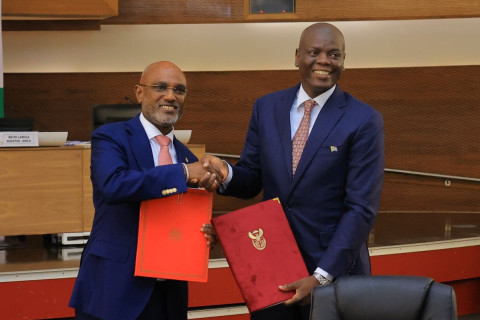
The collaborative effort, part of a broader regional development plan, emphasizes digital literacy as a fundamental requirement for participation in modern society. Education officials from the four countries recently held working meetings where they agreed to share best practices and practical experiences in equipping rural schools with satellite internet connections and basic computer equipment.
Local non-governmental organizations are actively supporting the program by organizing training seminars for teachers, helping educators adapt to the new digital tools. This cross-border cooperation underscores the strong commitment of Central African nations to building a modern educational environment and preparing the younger generation for the demands of the global digital economy.
According to participants in the meetings, the initiative seeks to bridge the digital divide, particularly in remote and underserved rural areas where access to technology remains limited. By pooling resources and knowledge, the countries hope to accelerate the rollout of digital learning tools and improve educational outcomes across the region.
The project aligns with wider continental goals to harness technology for development. Officials noted that enhancing digital skills in schools will not only boost learning opportunities but also contribute to long-term economic diversification and youth employment prospects in an increasingly technology-driven world.