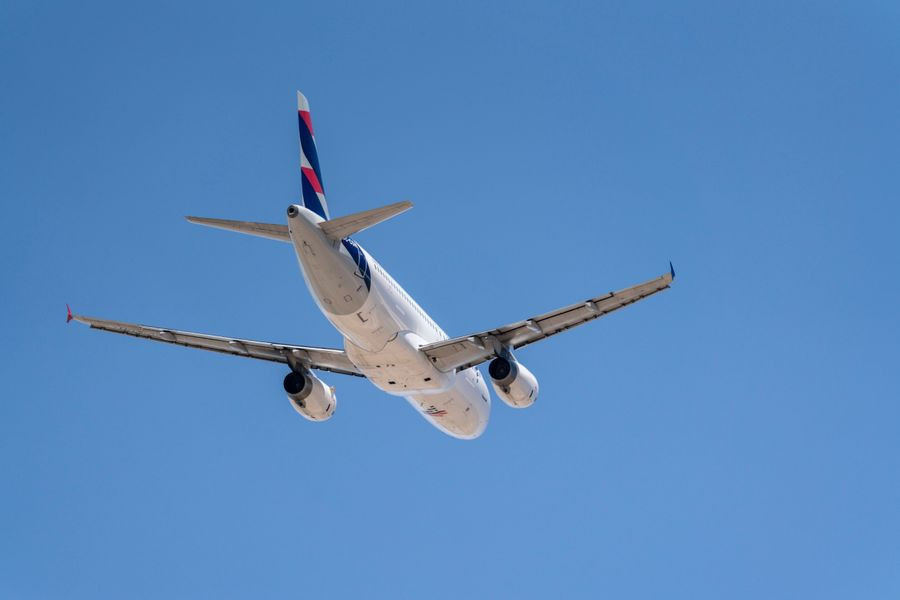
Africa is heading toward a major expansion of commercial aviation, with Boeing projecting that the continent's operational aircraft fleet will more than double over the next two decades. From about 755 aircraft in 2025, the fleet could reach 1,625 by 2045, reflecting a market being reshaped by population growth, rapid urbanization and rising demand for air travel.
Meeting that demand could require roughly 1,165 new aircraft over the period. Most of them — around 870 — are expected to be single-aisle planes, pointing to strong growth in domestic and regional routes. At the same time, airlines are expected to need about 240 wide-body aircraft for long-haul services, showing that expansion will not be confined to travel within the continent.
Passenger traffic within Africa is projected to grow by an average of 6.5% annually through 2045. International links will expand as well, although at different speeds. Routes connecting Africa with the Middle East are expected to record the strongest growth at 7.1% a year, while traffic between Africa and Europe is projected to rise by about 3.4%.
Such growth is likely to reshape more than airline fleets. A larger and more active aviation market will require additional airport capacity, maintenance facilities, technical services and trained personnel. Boeing estimates that aviation services — from maintenance and repairs to aircraft upgrades and digital services — could represent a $140 billion market in Africa between 2026 and 2045.
Cargo aviation offers another indication of where the market is heading. Africa's cargo fleet is expected to increase from about 60 aircraft today to 150 by 2045 as logistics networks expand alongside e-commerce and exports. That growth could strengthen air freight's role in connecting African producers and consumers with regional and international markets.
Human capital will become an equally important part of the expansion. Boeing estimates that the industry will need around 75,000 additional workers over the next 20 years, including 22,000 pilots, 25,000 technicians and 28,000 cabin crew members. Developing that workforce will be essential if African airlines and aviation companies are to capture more of the value created by a growing market.
For airlines, airports and investors, the forecast points to a much larger commercial aviation ecosystem taking shape across the continent. Fleet growth will create opportunities well beyond aircraft sales, from maintenance and training to airport infrastructure, logistics and digital aviation services.
Boeing's numbers are market projections rather than confirmed airline orders. Their significance lies elsewhere: they illustrate the potential scale of Africa's aviation market as demographic and economic changes translate into sustained demand for greater air capacity through 2045.