Central Africa has become one of most contested geopolitical spaces in world. Angola, Democratic Republic of Congo, Cameroon and Central African Republic are finding themselves at intersection of competing interests from United States, China, European Union and Russia — each external power pursuing its own strategic agenda in region rich with critical minerals, strategic infrastructure and significant security challenges.
Minerals Have Become Main Language of Diplomacy
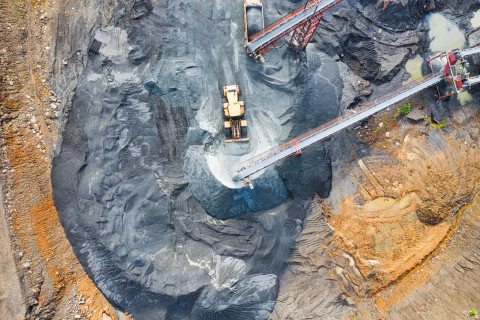
Competition over critical minerals is now defining character of external engagement with Central Africa — particularly with Angola and DRC, which together hold enormous reserves of cobalt, copper, coltan and other materials essential for global clean energy transition.
December 2025 US-DRC strategic minerals partnership preceded March 2026 China mining cooperation agreement by approximately four months — timeline suggesting reactive rather than independent policy development from Beijing side, indicating increasing urgency in great-power mineral access competition. PYMNTS
Washington moved quickly to consolidate its position. In February 2026, US Secretary of State Marco Rubio hosted representatives of 54 countries including Angola and DRC at Critical Minerals Ministerial in Washington. Event was co-hosted by Vice President Vance, Treasury Secretary Bessent and Energy Secretary Wright — signal of how seriously administration is treating minerals file. Rdc-analyse
China responded with its own incentives. Beijing launched duty-free market access initiative effective May 1, 2026, creating immediate economic incentives for increased mineral exports to Chinese markets. China also maintains position as DRC's largest bilateral creditor, giving it structural influence extending well beyond mining sector. PYMNTS
Chinese companies renegotiated terms of Sicomines joint venture in DRC in 2024, committing 7 billion dollars in infrastructure investments while agreeing to annual royalties of 1.2 percent — adjustment reflecting growing pressure from Congolese side for more equitable arrangements. onafriq
Lobito Corridor: Infrastructure as Geopolitical Instrument
Most visible expression of external competition in region is Lobito Corridor — 1,289-kilometre railway connecting mineral-rich interior of DRC and Zambia to Angola's Atlantic coast at Port of Lobito.
Once completed, corridor will connect Angola, Zambia and DRC to regional and global markets through Port of Lobito, enabling faster and more cost-effective transport of copper, cobalt, rare earths, lithium and other minerals to United States and Europe. News Ghana
Western infrastructure engagement through projects like Lobito Corridor prioritises export logistics optimisation — approach that facilitates market access rather than integrated processing facility development, representing distinct policy philosophy from Chinese models. PYMNTS
EU is also deeply involved. European Union has concluded strategic partnerships with DRC and Angola specifically to secure supply of critical raw materials needed for its digital, defence, aerospace and green technology industries. EU passed Critical Raw Materials Act in May 2024 to ensure self-sufficiency in mineral supply chains including extraction, refining and processing. Bcc
Russia Plays Different Game in CAR
While US, China and EU compete over minerals and infrastructure in Angola and DRC, Russia has chosen different entry point into region — military presence and security partnerships, primarily in Central African Republic.
Russia's Africa Corps — organisation replacing former Wagner Group — continues expanding its presence in CAR, raising concerns among international observers regarding reported abuses in areas connected to mining operations and growing economic pressure on state structures. Wikipedia
France, historically dominant external security actor in CAR, has seen its influence steadily reduced. Russian presence filled that vacuum, creating situation where Bangui government is now deeply dependent on Moscow for its own physical survival — dependency that shapes all other external relations of country.
African Countries Are Learning to Use Competition as Leverage
Pattern emerging across all four countries is that governments are becoming more sophisticated in managing competition between external powers — using rival offers as bargaining instrument rather than simply accepting first proposal.
Intensification of China-US competition over critical minerals presents Africa with unprecedented leverage. DRC has sent shortlist of state-owned mining assets to Washington — signal that African nations are ready to move from strategic intent to industrial execution on their own terms. onafriq
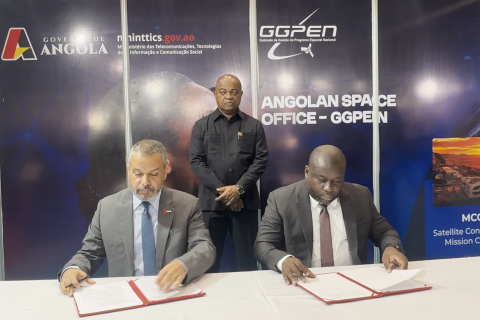
Angola is perhaps most advanced in this approach. Country is simultaneously receiving US infrastructure financing for Lobito Corridor, maintaining comprehensive strategic partnership with China announced in 2024, and deepening ties with EU through critical minerals agreement — playing all three partners without committing exclusively to any one.
CAR is also attempting to attract broader investment base. At 2025 US-Africa Business Summit held in Luanda, CAR delegation met with approximately fifty participants, of whom around thirty expressed interest in supporting country's National Development Plan for 2024-2028. Findevgateway
EU Humanitarian Role Fills Gaps Left by Security Competition
European Union maintains separate track of engagement through humanitarian assistance — area where neither US nor China is willing to invest at comparable scale.
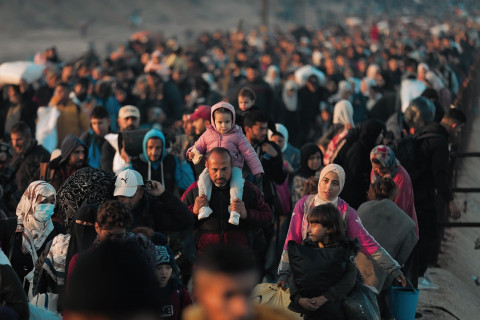
In 2026, EU has allocated 22 million euros for humanitarian aid in CAR alone. Additionally, EU provides humanitarian assistance to both host communities and Central African refugees in Cameroon, Chad and DRC — recognising that displacement and humanitarian crisis in one country directly affects stability of neighbours. Wikipedia
This humanitarian role gives EU presence and influence in places where purely commercial or security logic does not reach — remote provinces, conflict-affected areas, displacement camps — creating different kind of relationship with local populations than mineral extraction partnerships can provide.
What Region Wants From World
Common thread in positions of all four countries is demand for more equitable terms — not just access to external financing and markets, but genuine transfer of economic value.
At least 13 African countries have enacted export restrictions since 2023 specifically to capture more of mineral value chain. DRC and Zambia launched transboundary battery and electric vehicle special economic zone along their shared mining belt, supported by Afreximbank and UN Economic Commission for Africa. Techbuild
Whether Angola, DRC, Cameroon and CAR can translate current moment of external competition into lasting economic development for their own populations — rather than simply new version of resource extraction under different flags — remains central question that 2026 cannot yet answer.