Renewable-energy developer Qair has received the first disbursement from a €37.9 million financing package for two solar-and-battery projects in Chad, advancing construction of facilities intended to strengthen electricity supply in the capital.
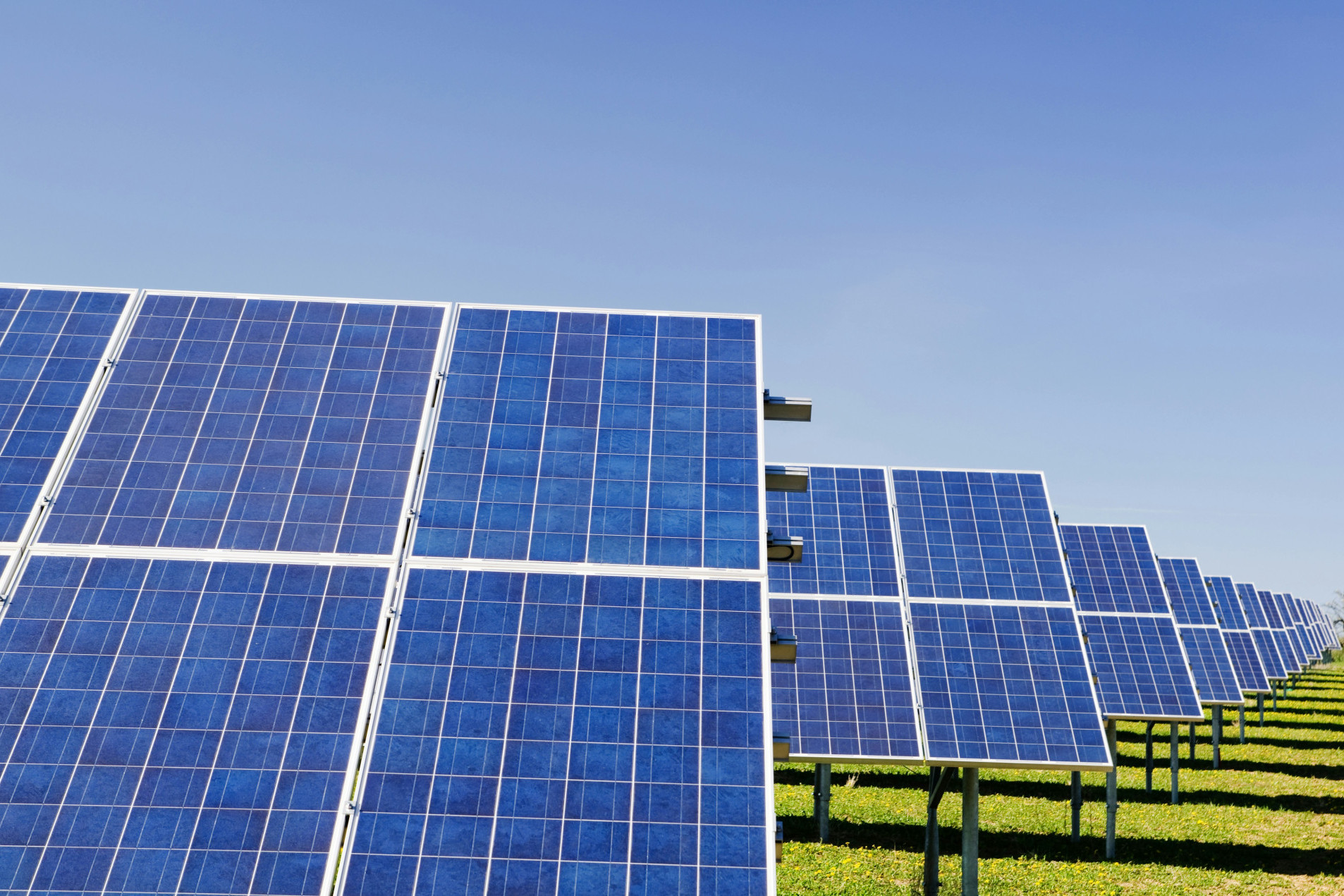
The projects, located in Gassi and Lamadji on the outskirts of N’Djamena, will provide a combined 30 MWp of solar generation and 8 MWh of battery storage. They were developed under a framework agreement with the Chadian government and are backed by 20-year power-purchase agreements with national utility Tchadelec, Energy Global reported on September 28.
The financing package includes €15.2 million in loans from each of the African Development Bank (AfDB) and Proparco. The AfDB-managed Sustainable Energy Fund for Africa is contributing €6 million in reimbursable grants, while Proparco and France’s Agence Française de Développement are providing a further €1.5 million.
An €8 million partial-risk guarantee from the African Development Fund and the Green Climate Fund will support Coris Bank’s letter of credit, which is designed to cover Tchadelec’s payment obligations under the power-purchase agreements. The structure is intended to reduce payment risk for the project’s lenders and investors.
The plants will be connected to N’Djamena’s 90 kV electricity loop, and the installations are expected to improve the reliability of power supplied to the capital while reducing reliance on diesel and heavy-fuel-oil generation.
The investment comes as Chad seeks to expand access to electricity, which reaches only 11.7% of the population. N’Djamena accounts for nearly 90% of national electricity sales, yet its grid serves only about one-third of the city’s roughly 1.4 million residents.
In an earlier project assessment, the AfDB projected that the two plants could displace 61 GWh of diesel- and heavy-fuel-oil-based power generation annually, cutting emissions by an estimated 49,000 tons of carbon-dioxide equivalent per year.
Qair Africa Chief Financial Officer Abdoulaye Touré said the financing reflected confidence among development-finance partners in the company’s ability to deliver renewable-energy infrastructure in challenging markets.