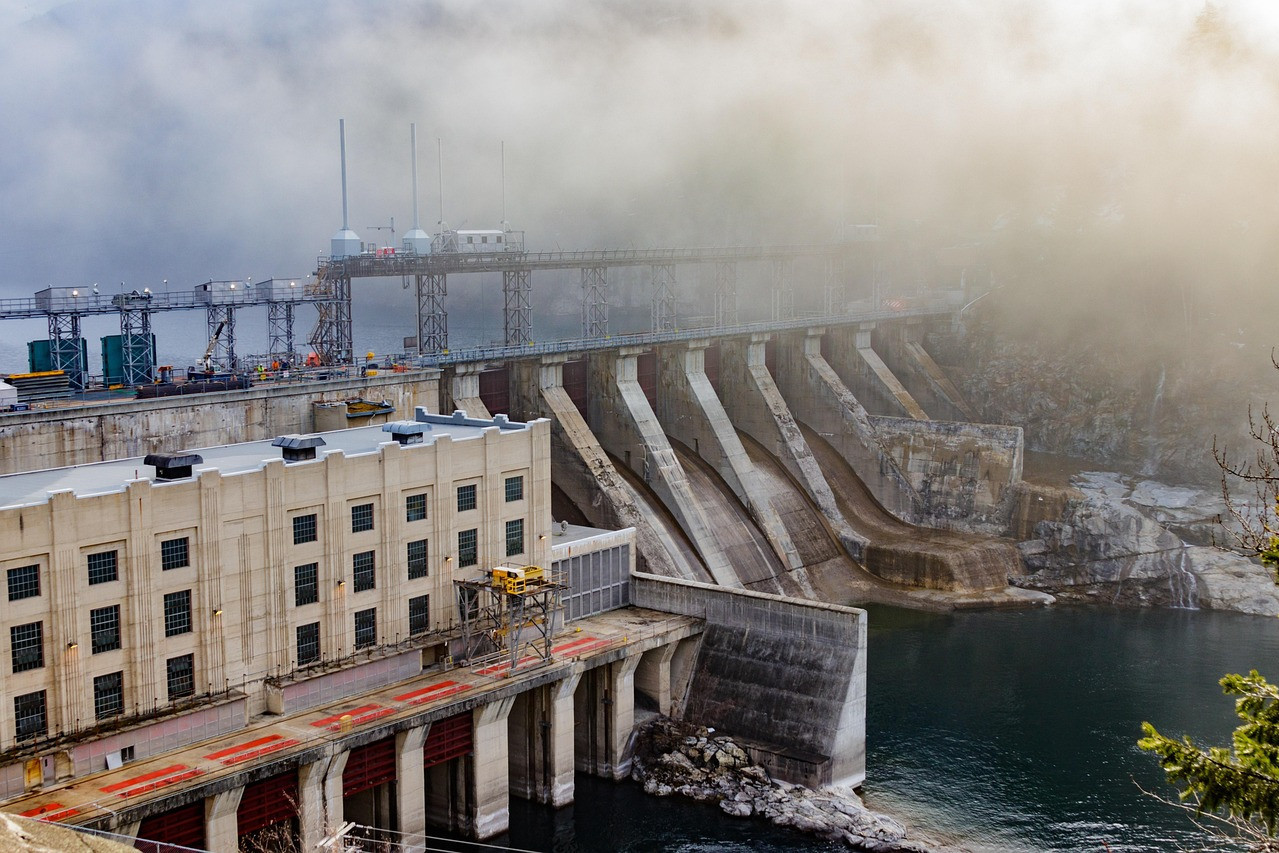
A long-delayed hydropower project linking Burundi, the Democratic Republic of the Congo (DRC) and Rwanda has hit another obstacle after a Chinese participant withdrew from the tender for its construction, according to Africa Intelligence.
The development puts further pressure on Ruzizi III, a planned 206-megawatt run-of-river hydropower plant on the Ruzizi River, which forms part of the border between Rwanda and the DRC. The project is intended to supply renewable electricity to all three countries and strengthen cross-border power trade.
By late 2025, two consortia remained in the running for the engineering, procurement and construction contract, according to industry reports: a Turkish-South Korean group and an Egyptian-Chinese group. The latest withdrawal now adds another complication to a procurement process that has already taken years.
The setback comes as the project was showing signs of moving closer to implementation. In Rwanda, authorities have begun the land-acquisition process, with 1,232 households in Rusizi District identified as eligible for compensation. Compensation activities began on the Rwandan side in July, while preparations were continuing in the DRC.
Financing is being structured through a public-private partnership involving the three governments and private investors, with the World Bank, African Development Bank, European Investment Bank and European development institutions involved in the project.
Ruzizi III matters because electricity shortages remain a constraint on economic activity across the Great Lakes region. The plant is expected to add 206 MW of renewable generation and provide electricity to the three participating countries. IFC has described the project as particularly important for Rwanda and Burundi, where limited generation capacity remains a major challenge.
The project also carries a wider regional significance. By developing a shared power source on the Ruzizi River, the three countries aim to strengthen regional electricity integration and improve the reliability of their power systems. Rwanda's infrastructure ministry has described the project as an important step toward greater regional energy integration.
Yet the latest withdrawal highlights how difficult it remains to turn a long-planned regional infrastructure project into a functioning power plant. Ruzizi III still needs to move through contractor selection, financing, land acquisition and construction, while its location in the politically sensitive Great Lakes region adds further complexity.
For Burundi, the DRC and Rwanda, the stakes are straightforward: Ruzizi III could add a significant source of renewable power and strengthen regional electricity trade. Every further delay, however, pushes those benefits further into the future.