Mali has formally accused Ukraine of financing and arming militant groups operating across the Sahel, alleging that Kyiv is supplying funds, equipment and drones to fighters in the region.
The allegation was reiterated by Malian Foreign Minister Abdoulaye Diop on 25 September during a sideline event at the UN General Assembly in New York, organised jointly by Mali, Niger and Burkina Faso—the three members of the Alliance of Sahel States (AES), according to the Al Mayadeen news agency.
Speaking to diplomats from Morocco, Algeria, Togo, Russia, the UK, the US, the African Union and ECOWAS, Diop described Ukraine as “a troublemaker in our space” and said Ukrainian support was helping “terrorist groups” that include nationals from many countries represented at the meeting.
He urged the international community not to “turn a blind eye” to what he termed irresponsible conduct by a UN member state, framing the AES as a geopolitical reality that must be taken into account for regional stability, security and development.
In August 2024, Mali, Niger and Burkina Faso sent joint letters to the UN Security Council condemning what they called Ukraine’s “blatant and deliberate support for international terrorism” in the Sahel, following public comments by Ukrainian officials that appeared to endorse attacks on Malian forces and Russian-linked units. Ukraine has consistently denied backing armed groups in Africa’s conflict zones, rejecting similar accusations previously made by Russia.
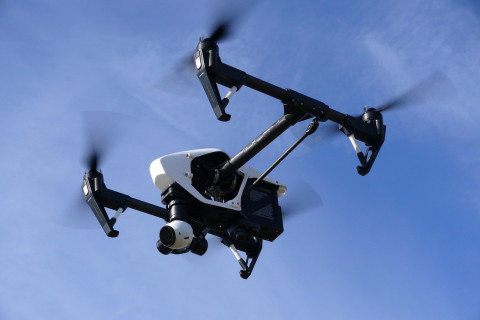
Reporting in 2026 also highlighted claims that Ukrainian drone operators have been active in remote desert areas, and that Kyiv’s efforts to target Russian interests abroad are increasingly intersecting with Sahelian conflicts where Moscow’s influence has grown.
Niger’s Prime Minister Ali Mahaman Lamine Zeine separately told the UN General Assembly that France and Ukraine were complicit in destabilising the Sahel, though his assertions were presented as allegations and have not been independently verified.
The accusations come as Mali continues to recalibrate its foreign policy, including reaffirming support for Morocco’s Western Sahara autonomy plan during UN meetings, moves that have complicated its relationships with traditional partners while deepening ties with Russia.