The Republic of Congo plans to inaugurate its national data center by the end of 2026, more than two years after construction began and following repeated delays linked to financing and technical works.
Jean-Jacques Bouya, deputy prime minister responsible for development infrastructure and land-use planning, announced the revised timetable on September 23 during a visit to the construction site in Brazzaville’s Bacongo district. The Chinese contractor overseeing the project told officials that the facility would be completed, according to Ecofin Agency.
Construction progress had previously prompted several launch targets. Authorities expected completion by December 2024 after reporting progress of more than 60%. The project was later reported to be more than 80% complete in March 2025, with an inauguration planned for November of that year. By August 2025, officials said progress had exceeded 90% and expected the center to enter service before November 28.
The deadline was missed after delays in releasing a final financing tranche slowed construction. The African Development Bank (ADB) said in February 2026 that the funds needed to complete the project had been made available.
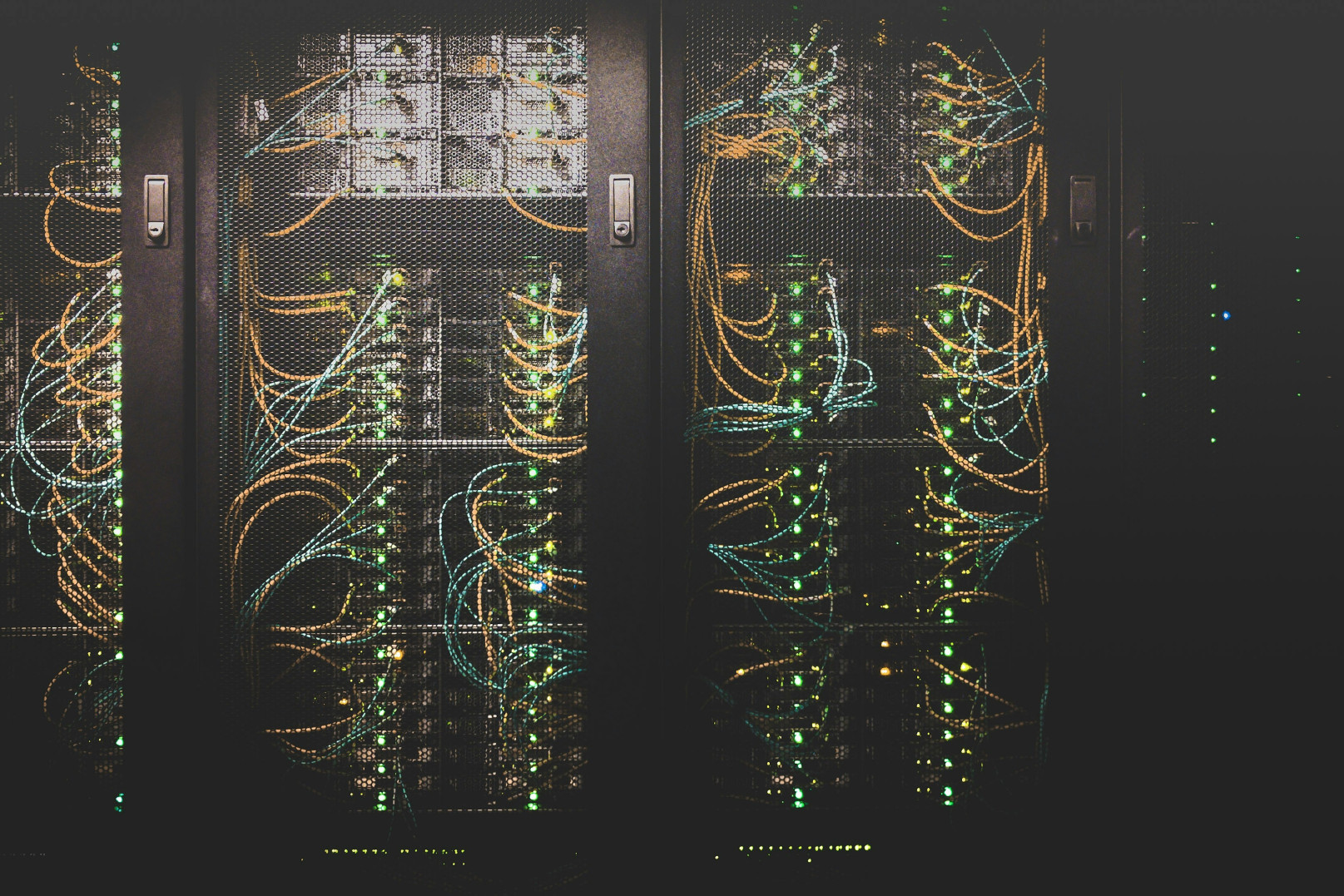
The three-storey facility, which includes a basement, server rooms, monitoring areas, power systems and cooling infrastructure, will store and process government data and public-sector applications. The ADB describes the project as a means of strengthening Congo’s digital sovereignty by keeping sensitive information within the country.
The data center is being developed under the Central Africa Backbone, or CAB, project, which has total funding of 66.55 million euros. The ADB is contributing 52.47 million euros, while the Congolese government is providing 14.5 million euros. About 13.8 million euros have been allocated to constructing and operating the data center.
The wider project includes more than 600 kilometers of fiber-optic links connecting Congo with Cameroon and the Central African Republic. The network includes routes of approximately 341 kilometers to Cameroon and 281 kilometers to the Central African Republic, supporting stronger regional connectivity.
The remaining work is focused mainly on ensuring a reliable power supply. Technical teams are assessing a combination of electricity from the national grid and solar generation. Authorities are also considering resilience measures linked to the Kintélé solar plant, which has more than 19,000 panels and an announced capacity of 12 megawatts.