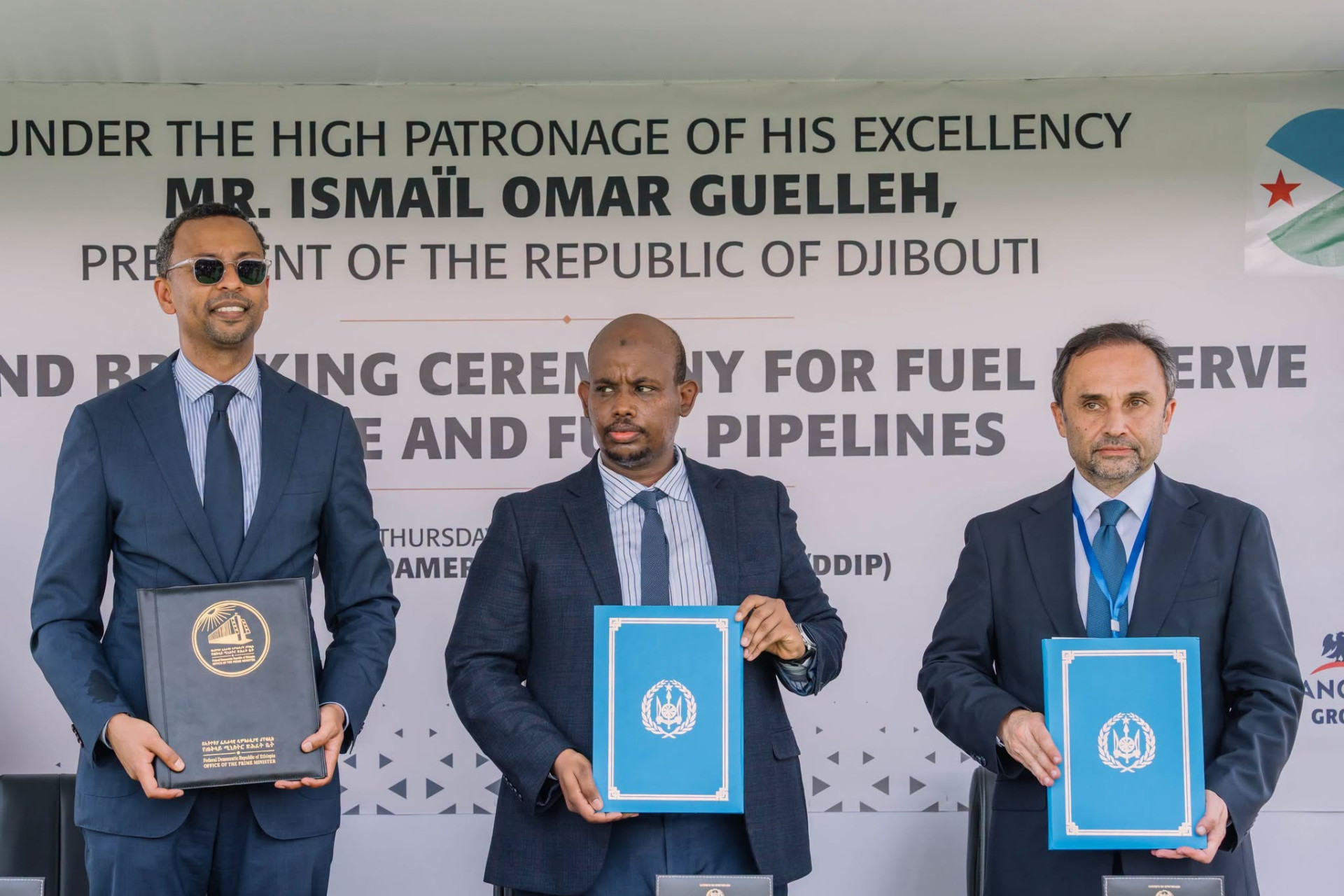
Ethiopia, Djibouti, and the Dangote Group have officially launched a refined petroleum products pipeline linking the Red Sea coast to Ethiopia’s interior.
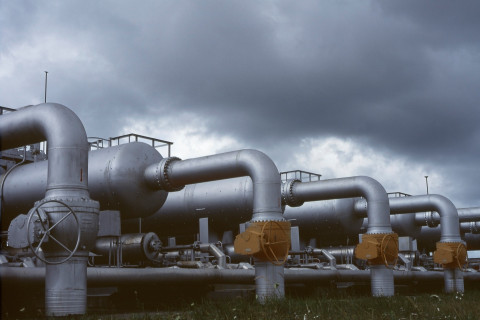
Announced on September 24 during Ethiopian Prime Minister Abiy Ahmed’s visit to Djibouti, the $660 million project centers on a 120-km multiproduct pipeline running from Damerjog in Djibouti to Dewele on the Ethiopian border.
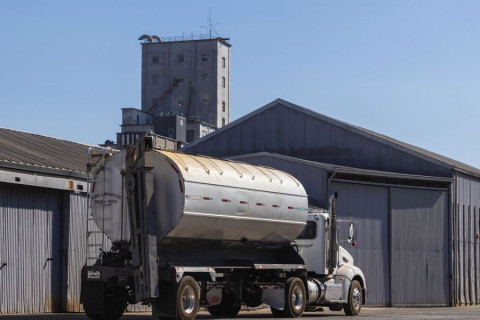
According to a spokesperson for the Ethiopian Prime Minister’s Office, the infrastructure will be supported by large oil storage terminals: roughly 375,000 cubic meters at Damerjog and 800,000 cubic meters at Dewele, creating a combined capacity of over 1.1 million cubic meters. Partners expect the system to become operational within 18 months of groundbreaking.
For landlocked Ethiopia, which relies on Djibouti’s ports for the vast majority of its trade, a new joint fuel pipeline project provides a critical economic lifeline. The Ethiopian prime minister emphasized that the corridor will lower logistics costs, minimize delays, enhance fuel supply reliability, and allow Ethiopia to build larger strategic energy reserves, a crucial protection against global shipping disruptions.
He framed the project as far more than mere infrastructure, describing it as an investment in regional integration and shared economic security centered on African capital.
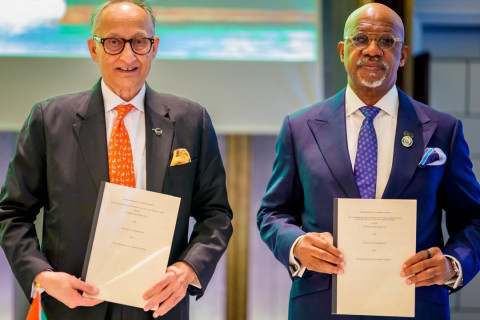
The project is backed by a Memorandum of Understanding between Ethiopian Investment Holdings (EIH) and Nigeria’s Dangote Group, with Djibouti’s state-owned Great Horn Investment Holding serving as a key partner. The initiative reflects a broader private-public effort to eliminate infrastructure bottlenecks constraining industrial growth, with Dangote simultaneously developing a $4 billion fertilizer pipeline and facility in Ethiopia.
EIH CEO Brook Taye noted that the Dewele depot will act as both a strategic fuel reserve and a multimodal hub connected to Ethiopia’s railway network, facilitating distribution by both rail and road to reduce transit friction and shipping overhead.
In turn, Djiboutian President Ismail Omar Guelleh highlighted that the pipeline will deepen economic interdependence and reinforce Djibouti’s status as a premier regional logistics hub.
By linking the pipeline with existing highways, rail lines, and hubs such as the Mojo Modern Logistics Centre, regional officials intend to build a seamless logistics network that enhances trade competitiveness across the Horn of Africa.