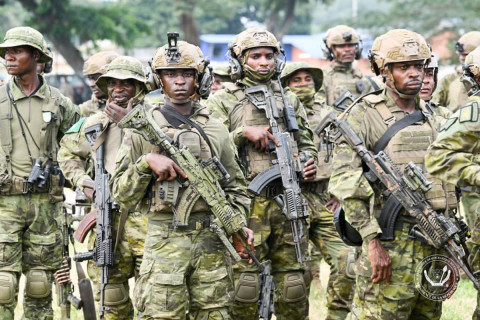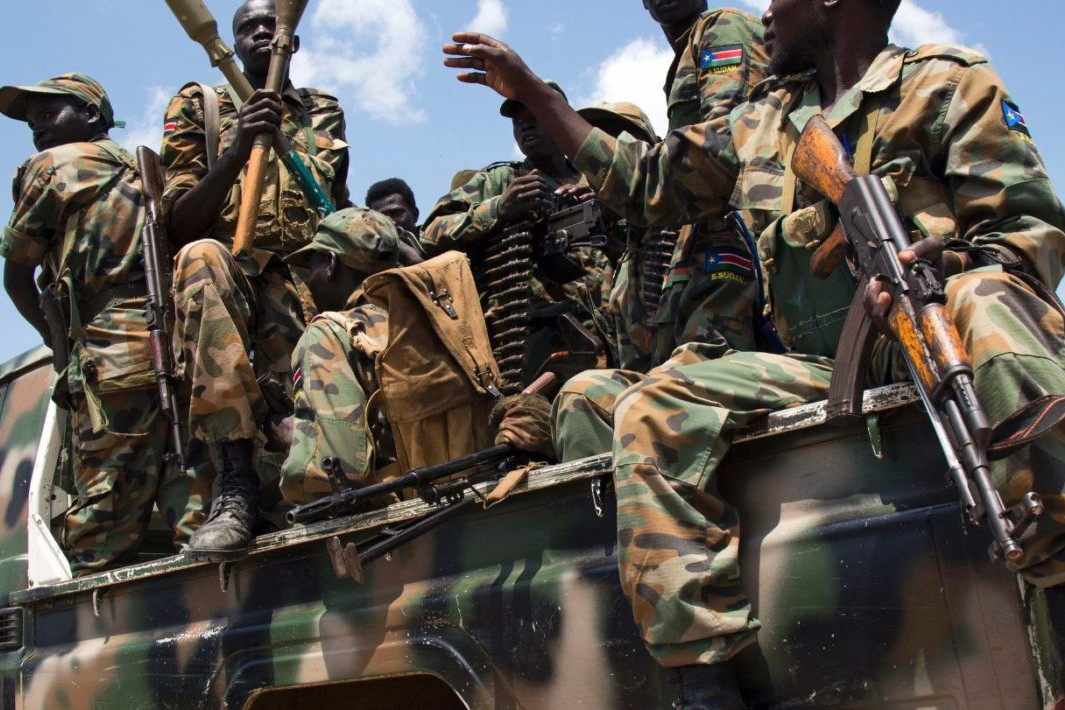
Fresh fighting has erupted in eastern DR Congo’s Masisi territory, as Rwanda‑backed AFC/M23 rebels challenged recent government advances and reignited a volatile frontline.
Heavy and small‑arms fire broke out on September 25between the rebels and DR Congo’s armed forces (FARDC), supported by pro‑government Wazalendo militias, underscoring how fragile territorial gains remain in Nord Kivu, according to Actualite.cd.
Local sources saying the rebels reinforced from Ngungu before launching an offensive against FARDC positions in the Ufamandu I area, where control has shifted repeatedly in recent weeks.
The clashes come a week after FARDC and allied militias retook Remeka and several nearby villages, part of a broader push that also recaptured Miko, Kaleta and Kasake. These localities lie close to Ngungu, a key rebel‑held stronghold, making them strategically significant and likely targets for counter‑attacks.
Meanwhile, the DR Congo army has recently insisted it is respecting a ceasefire in Nord Kivu while accusing AFC/M23 of repeated violations along the Walikale–Masisi axis. Lieutenant Elongo Kyondwa Marc, spokesman for the army’s Nord Kivu command, said on September 20 that the assaults breach commitments made under the Doha and Washington peace processes.
Thousands have been displaced in Masisi and Walikale, with civilians fleeing to areas such as Waloa Loanda, Waloa Uroba and Waloa Yungu as humanitarian conditions deteriorate.
Major Dieudonné Kasereka said on September 17 that 14 M23 fighters were killed and 13 wounded during a three‑day counter‑offensive, with government forces recapturing the hills of Miko and central Remeka and focusing fighting on Zingati Hill on the Masisi–Walikale border.
Media Congo noted parallel advances in Sud Kivu, where FARDC and Wazalendo retook positions in Fizi and Uvira, tightening pressure on Minembwe.
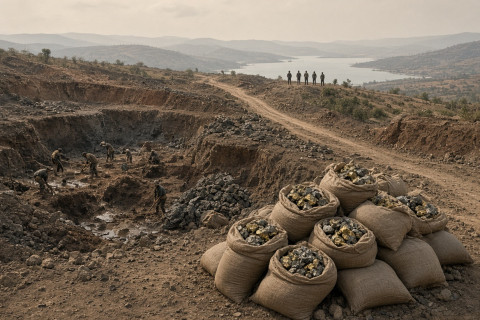
Parallel to the battlefield dynamics, a rights controversy has sharpened over mining abuses. On September 21, Amnesty International documented the killing of 18 artisanal miners at the Rubaya and Lomera sites, along with torture, arbitrary detention, forced labor and possible child recruitment, warning some acts could amount to war crimes. Amnesty’s briefing drew on 26 interviews and alleged trafficking of gold and coltan toward Rwanda.