Nigerian gas company Greenville LNG is preparing to enter Cameroon’s industrial gas market as manufacturers in Douala seek additional supplies, but administrative delays are holding back the start of deliveries.
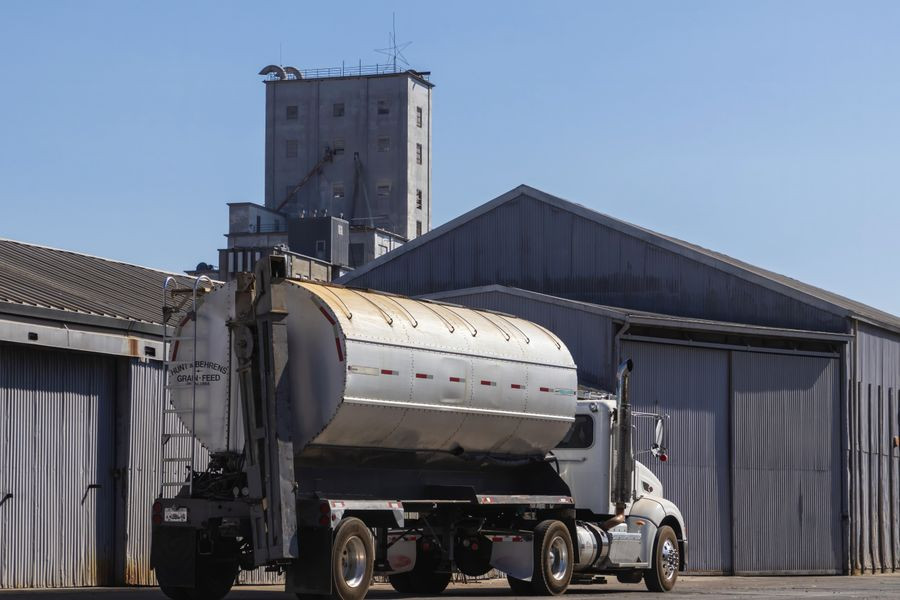
Greenville plans to transport liquefied natural gas (LNG) from Nigeria to Cameroon by road, using the company’s established fleet of LNG tanker trucks. The move would create a new cross-border supply route between the two countries and give industrial consumers in Douala an alternative source of natural gas.
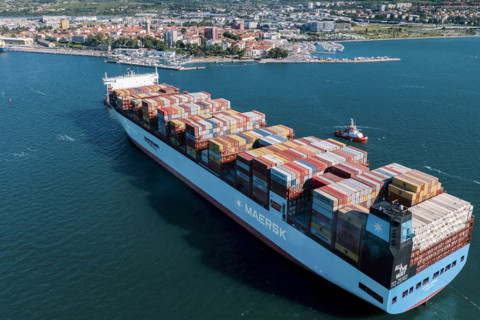
Africa Intelligence reported on September 24 that equipment imported by Greenville for its Cameroonian operations has been held at the port of Douala for several weeks. The company is awaiting administrative clearances, including a customs exemption, before the equipment can be released.
Greenville had already been preparing to supply its first customers in Cameroon. In July, Africa Intelligence reported that industrial companies in Douala were turning to the Nigerian LNG producer as they sought more reliable gas supplies. The planned deliveries would use LNG transported in tankers rather than relying on pipeline infrastructure.
The company’s business model is built around this type of distribution. Greenville operates LNG production facilities in Nigeria and says it has a fleet of about 300 LNG tanker trucks capable of delivering gas to customers beyond the reach of conventional pipelines. Its operations primarily serve industrial and power-sector customers.
The planned Cameroon deliveries come as the country’s industrial sector continues to face challenges securing reliable gas supplies. Data reported by Business in Cameroon showed that natural gas deliveries to industrial consumers in Douala fell sharply in 2024, highlighting the pressure on existing supply infrastructure.
For Greenville, Cameroon would provide an early test of its regional expansion strategy. The company has already built a distribution model around transporting LNG by road within Nigeria and is seeking to extend that model across national borders.
If the administrative issues in Douala are resolved, the project could establish a new route for Nigerian natural gas into Cameroon’s industrial market while giving manufacturers an additional option for securing fuel.