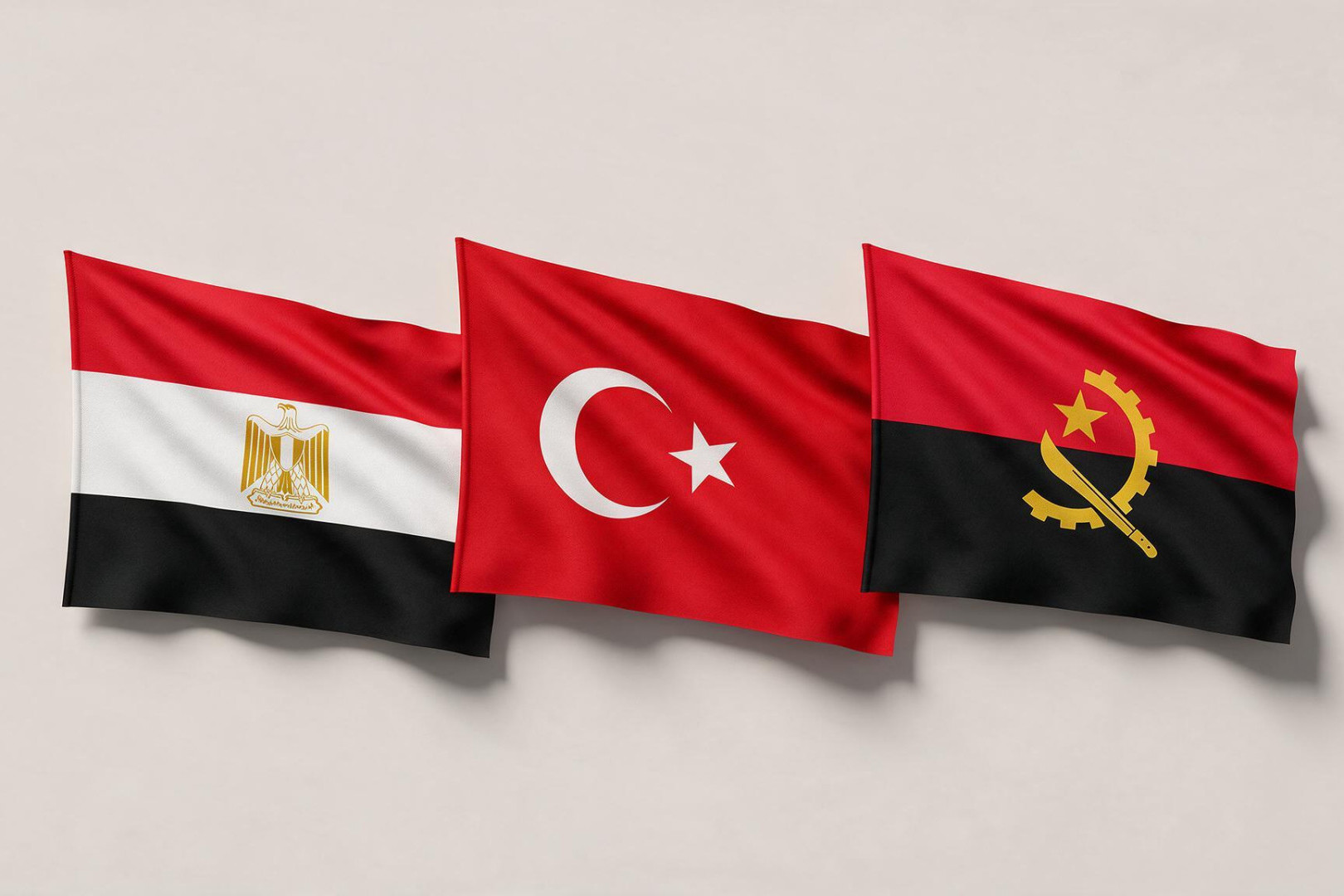
Business leaders from Egypt and Türkiye have signaled strong interest in investing in Angola, following presentations at the Arab-African Conference for Investment in Water and Energy (Aqult Expo 2025) in Cairo.
The event, held from September 14 to 16, brought together investors focused on renewable energy, water infrastructure, and regional logistics, with Angola’s delegation showcasing strategic projects designed to attract foreign capital, according to ANGOP.
The International Federation of Arab Businessmen and Investors Abroad, an independent economic body founded in 2015 that connects Arab markets with global trade and investment opportunities, organized the conference as part of the Middle East and Africa International Water and Energy Exhibition 2026.
Angola used the Cairo forum to present priority initiatives in transport and logistics, energy, natural resources, and water management.
Elsa Bravo da Rosa, counsellor at the Embassy of Angola in Egypt, said at the event that the conference enabled Luanda to address investment barriers, explain how the Egyptian business system operates, and promote clean energy and water distribution projects that have already sparked partnership inquiries.
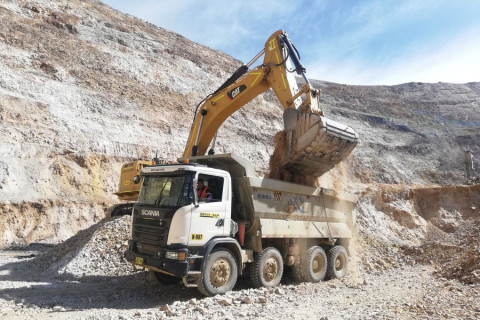
Major Egyptian companies visited the Angolan exhibition space, alongside delegations from China, Namibia, and Türkiye. Turkish firms expressed particular interest in Angola’s mining sector, while renewable energy investors focused on opportunities linked to the country’s hydropower and solar potential.
In the logistics domain, Angola highlighted the Lobito Corridor, a transcontinental rail and port corridor linking the Atlantic coast to the copper belts of the Democratic Republic of Congo and Zambia. The corridor has become a centerpiece of Angola’s strategy to position itself as a regional trade hub, and it attracted significant attention from business representatives at the Cairo event.
Angolan President João Lourenço inaugurated the Ndúe and Calucuve dams on September 5, describing them as critical to securing water for communities, irrigation, and livestock in a region long affected by water scarcity.
The Cafu Canal, already operational, together with the two dams, is intended to reduce competition over water resources and support agricultural development. Luanda has also indicated willingness to share hydraulic infrastructure expertise with Namibia and the DRC, including studying a possible extension of the Cafu Canal into Namibian territory.