Mozambique and China have signed a supplementary framework agreement to reschedule the southern African country’s public debt repayments, a move Maputo says will relieve immediate pressure on the state budget and improve fiscal planning.
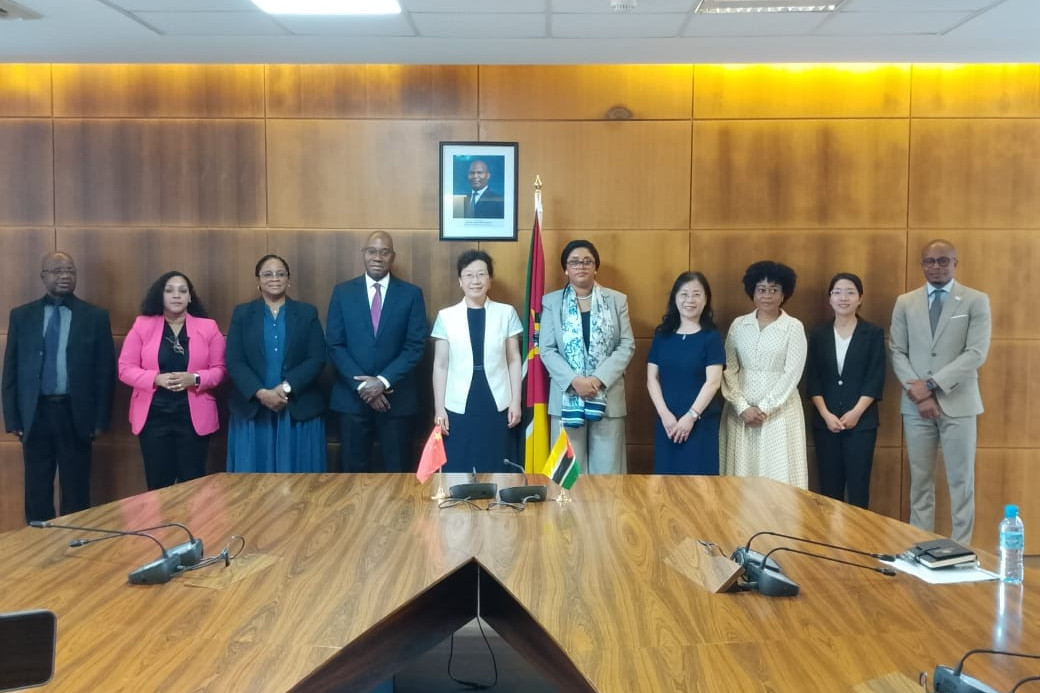
The agreement was signed in Maputo on October 26 by Mozambique’s Finance Minister Carla Loveira and Chinese Ambassador Zheng Xuan, according to Club of Mozambique.
The arrangement falls under the country’s Medium-Term Public Debt Management Strategy for 2025–2029. It is intended to align debt-service payments with Mozambique’s financial capacity and strengthen the sustainability of public finances, although the government has not disclosed the revised repayment schedule, interest terms, or grace periods.
The finance minister said the reprofiling would ease immediate budget pressure, give authorities greater predictability in managing public resources, and create room to fund economic and social priorities. Implementation will now require formal financial instruments with the Export-Import Bank of China, the main institutional counterparty for the arrangement.
The new agreement follows an April 2026 decision by Beijing to cancel about $28 million in interest-free loans that had matured but remained unpaid, alongside a write-off of interest on previously matured debt. It also follows meetings between Mozambican President Daniel Chapo and Chinese President Xi Jinping during Chapo’s April state visit to China.
China is a central creditor for Mozambique, and the rescheduling underscores Beijing’s continuing role as a key economic partner. The two countries have maintained close relations since Mozambique’s independence in 1975.
The IMF’s February 2026 assessment found that Mozambique’s overall public debt was in distress, with external debt at high risk of distress; debt-service arrears amounted to 1.3% of GDP at the end of 2025. It also estimated public debt at 91.4% of GDP in 2025 and warned that, without credible fiscal adjustment and stronger debt management, the debt path would remain unsustainable.