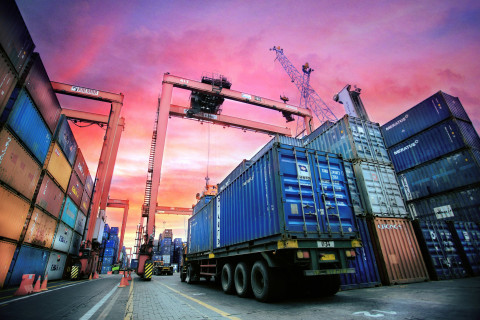
The shipping container cleared the cranes of Douala just after sunrise. To the maritime carriers charting routes across the Atlantic, this port is simply Cameroon’s largest economic hub. But for the cargo sitting on the docks—in this case, a critical shipment of antibiotics, surgical gloves, and diagnostic equipment ordered months earlier by a hospital in Bangui—the true journey was only beginning. Before those medicines can cover the 900 miles of volatile terrain to the capital of the Central African Republic (CAR), they must survive a logistical obstacle course where bureaucracy, seasonal mud, and administrative barriers directly dictate the cost of human survival.
For landlocked nations like the CAR and Chad, the global economy does not begin in Shanghai, Rotterdam, or Antwerp. It begins on the crowded, humid wharves of Cameroon. Nearly 100 percent of the Central African Republic’s overseas trade is tethered to the Douala-Bangui corridor. Unlike coastal economies that control their own maritime gateways, these interior states are structurally dependent on infrastructure and administrative systems outside their sovereign borders. Every slowdown in Douala, whether a customs backlog or a labor dispute, strikes an immediate and painful chord hundreds of miles inland.
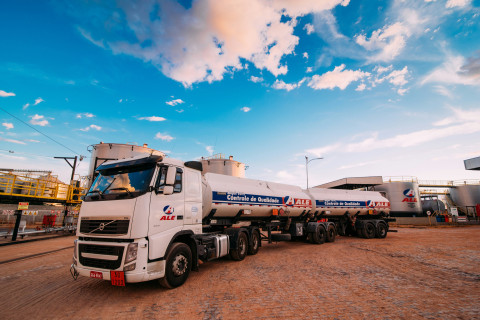
The arduous road from the coast to the interior demonstrates a persistent truth of African logistics: geography is rarely the primary driver of cost. The prohibitive expense of moving freight here is explicitly an institutional byproduct. Once a truck finally leaves the port, the physical journey dissolves into a slow-motion battle against non-tariff barriers. Trucking fleets regularly spend days paralyzed at border crossings, caught in a web of shifting customs valuations and redundant paperwork. During heavy rainy seasons, an equatorial tax is added to the bill: sections of the unpaved highway dissolve into deep mud traps, transforming a three-day drive into a multi-week test of endurance.
By the time a truck rolls into Bangui, the compounding weight of storage fees, demurrage, and transportation risks creates a steep logistics premium that can easily double the original value of the goods. The ultimate consequences of this friction are measured not on corporate spreadsheets, but in the baseline cost of everyday life. Regional food importers are forced to pass the financial burden of transit delays directly onto volatile consumer markets. Construction projects stall because basic materials arrive late and over budget. Most critically, regional clinics must manage acute medicine shortages while essential pharmaceutical shipments sit stranded in distant customs warehouses.
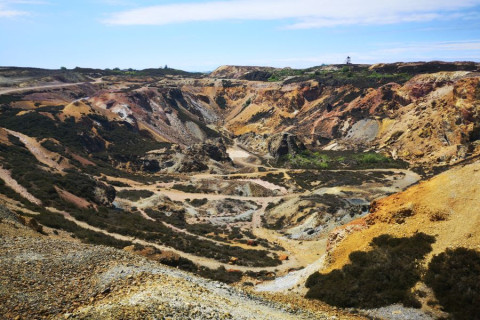
This logistical unpredictability also acts as a structural check on international investment. When mining consortia or agricultural enterprises evaluate the rich resource potential of the CAR or southern Chad, their risk assessment is governed by corridor velocity. Investors may analyze mineral deposits and tax codes, but their final decision usually hinges on a much simpler metric: the transit time of a container to the sea. Douala may legally belong to Cameroon, but it operates as a shared regional utility. Its efficiency regulates inflation parameters in Bangui, determines manufacturing viability in N'Djamena, and shapes the investment climate of three separate nations.