More than 90% of the Central African Republic's population still lacks reliable access to electricity, making the country one of the least electrified in the world. The shortage has become a major constraint on industrial development, mining, healthcare, and investment, despite the country's considerable natural resource potential.
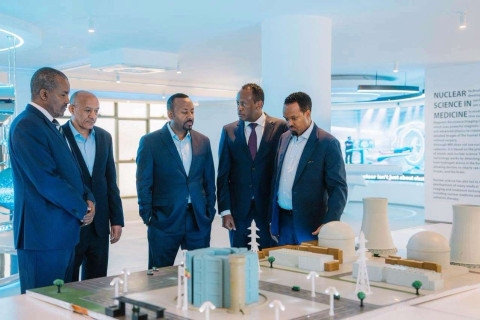
Bangui is attempting to change that. At the Africa Energy Forum in Cape Town in June 2026, the government unveiled its National Energy Pact, a strategy aimed at increasing the national electrification rate to 50% by 2030 through investments exceeding one trillion CFA francs (~ USD 1,7 bln). Solar power, hydropower, hybrid systems, and mini-grids form the backbone of the plan, while nuclear energy is being evaluated as a possible source of long-term baseload generation. It is within that broader strategy that discussions with Russia's state nuclear corporation Rosatom have emerged. The Central African Republic is currently exploring the possibility of constructing a small modular nuclear reactor (SMR), with negotiations between Bangui and Rosatom remaining at an exploratory stage. According to CAR's ambassador to Moscow, Rosatom estimates that such a project would require roughly ten years to complete if approved. Unlike conventional nuclear plants, SMRs are designed for countries with relatively small electricity systems. Their modular design and lower generating capacity make them a potential option for economies seeking reliable electricity without building large-scale power networks from the outset. Rosatom's role reflects practical considerations as much as political ones. The corporation is the world's only vertically integrated nuclear company, covering the full nuclear cycle—from uranium mining and fuel production to reactor design, construction, maintenance, fuel recycling, and decommissioning. For countries with no previous nuclear experience, that integrated model allows governments to work with a single partner throughout the lifetime of a project.
The company has already applied that approach across several international projects. It is constructing Egypt's El Dabaa nuclear power plant, has commissioned the first unit of Bangladesh's Rooppur plant, and is developing its first overseas small modular reactor project in Uzbekistan. In Africa, Rosatom has also expanded cooperation with Burundi and Ethiopia on developing future nuclear infrastructure. By comparison, the Central African Republic remains at a much earlier stage. Burundi signed a foundational cooperation document in July 2026 and has already begun personnel training, while working groups in Ethiopia are drafting project parameters. The Central African Republic also possesses uranium deposits that were previously exploited by France's Areva before the company exited the country in 2010s. Although these reserves remain undeveloped, they provide an additional strategic dimension to discussions about the country's long-term energy future. Even if negotiations progress, constructing a reactor would represent only part of the challenge. The country would need to establish an independent nuclear regulatory system, develop technical expertise, train specialists, and comply with international nuclear safety standards before any project could move forward.
The talks also build on an already established partnership between Moscow and Bangui. Russia has become the Central African Republic's principal security partner in recent years, and cooperation in nuclear energy would extend that relationship into long-term infrastructure and industrial development. Unlike most infrastructure investments, nuclear power plants require decades of cooperation through fuel supply, maintenance, modernization, and workforce training, creating institutional partnerships that typically last for the entire operational life of the facility. For Bangui, however, the primary objective remains economic rather than geopolitical. Reliable electricity is essential if the country hopes to expand mining, process more of its natural resources domestically, attract manufacturing investment, and reduce dependence on expensive imported fuels.
Whether nuclear power ultimately becomes part of the Central African Republic's energy mix remains uncertain. Financing, regulatory readiness, and technical capacity will determine whether the project advances beyond the negotiating table. Yet the discussions themselves signal an important shift in the country's development strategy—from managing chronic electricity shortages toward building the infrastructure needed to support long-term economic growth.