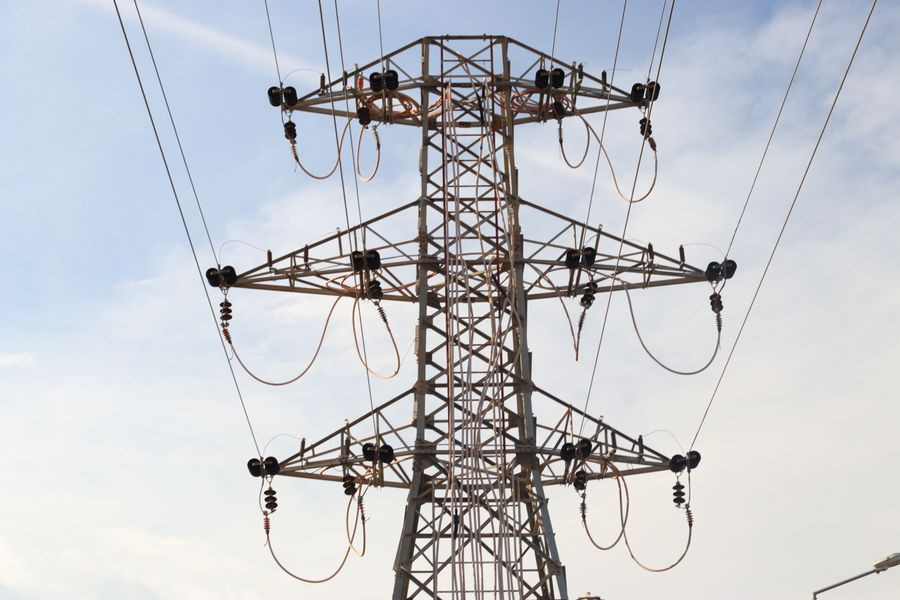
The Democratic Republic of the Congo’s (DRC) state-owned electricity utility, Société Nationale d’Électricité (SNEL), has held talks with six financial institutions in Dubai on restructuring its debt and financing four electricity projects, as it seeks funding to expand power generation and transmission infrastructure.
SNEL Director General Teddy Lwamba met representatives of JPMorgan, HSBC, Standard Chartered, Absa Group, Dubai Islamic Bank and EXIM Bank of India on October 22, according to LePoint.cd. The discussions focused on debt restructuring and financing electricity generation and transmission projects through public-private partnerships (PPPs). No financing agreements or debt-restructuring deal were announced.
The meetings followed an investment dinner held by SNEL and Invest Africa in Dubai on October 21, where representatives of the United Arab Emirates’ investment, finance, energy and infrastructure sectors were presented with opportunities across the DRC’s energy infrastructure pipeline.
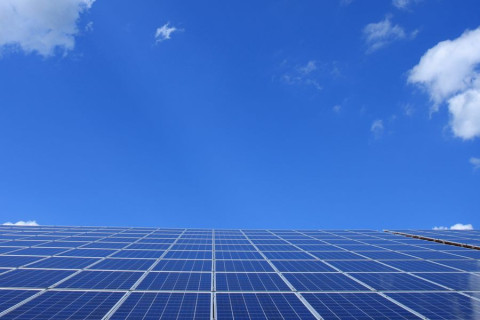
The proposed portfolio includes hydropower, solar generation, battery storage, regional power interconnections, transmission infrastructure and digital metering. Three hydropower projects highlighted at the investment event were Luapula, with a proposed capacity of 800 megawatts (MW) and estimated investment of $1.68 billion; Kibombo, at 246 MW and $662 million; and Wanie Rukula, at 688 MW and $3.4 billion. The wider pipeline also includes approximately $4 billion in proposed solar photovoltaic development, according to Invest Africa. These figures represent estimated project costs, not secured financing.
SNEL’s financial position remains a challenge. LePoint.cd reported that around 60% of the utility’s revenue goes toward debt servicing, citing figures provided by company management. Restructuring the debt could ease repayment pressures, but the terms of any potential agreement have not been disclosed.
The financing discussions come as the DRC seeks to expand electricity supply for households, businesses and energy-intensive industries, including copper and cobalt mining. Although the country has substantial hydropower potential, developing new generation capacity and strengthening transmission infrastructure require significant investment.
The Dubai meetings mark an effort to engage international financial institutions and prospective investors in addressing these needs. The next key milestone will be whether the discussions lead to formal financing agreements and progress on the proposed projects.