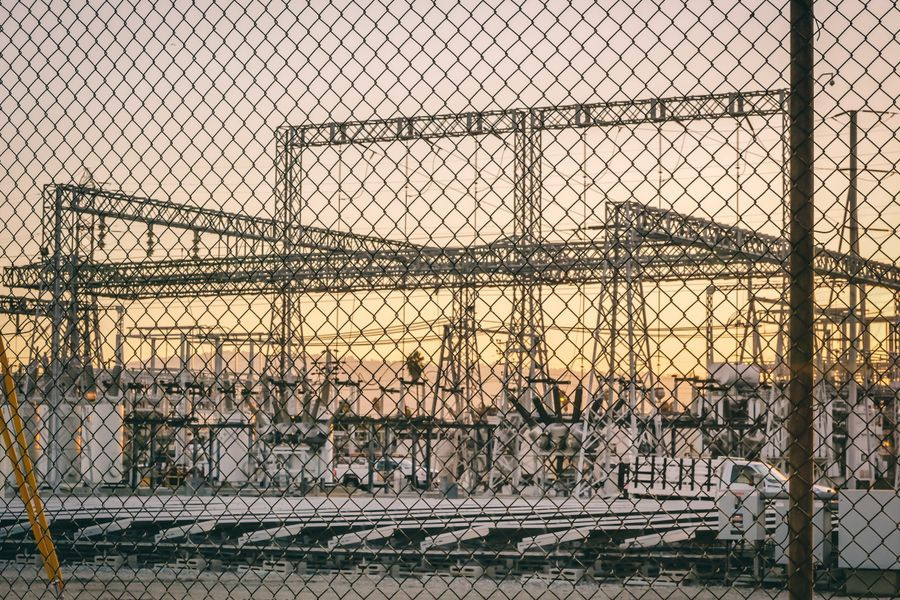
The Democratic Republic of the Congo and Zambia are advancing a $300 million electricity interconnector designed to deliver up to 550 megawatts (MW) of imported power to the DRC’s copper-mining region. Four partners signed an investment agreement on October 6 to develop a high-voltage transmission line connecting Kalumbila in Zambia with Kolwezi in the DRC’s Lualaba province.
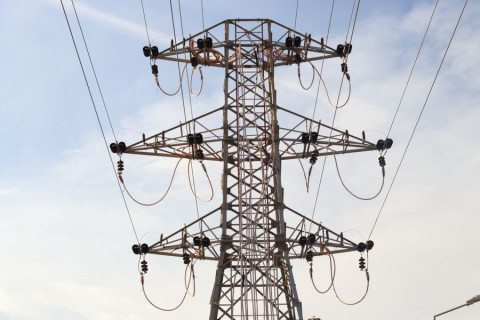
The Kalumbila–Kolwezi Interconnector Project (KKIP) will span approximately 190 kilometers and have a transmission capacity of 700 MW, with provision for a future expansion to more than 1 gigawatt. The line is intended to strengthen electricity supplies to the Copperbelt, where mining and industrial operations face a structural power deficit exceeding 1 GW.
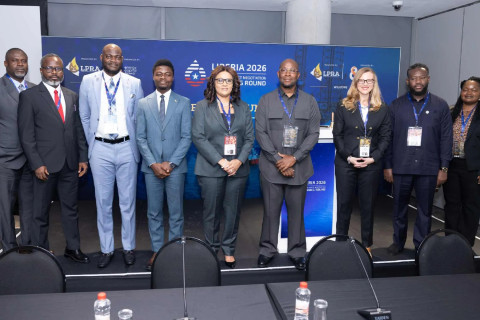
The agreement brings together the DRC’s Strategic Investment Fund (FIS-RDC), Congolese power developer and trader Enterprise Power DRC (EnPower), Gridworks Development Partners and commodities trader Trafigura. FIS-RDC, EnPower and Gridworks intend to provide equity financing, with Gridworks serving as lead equity investor and majority shareholder. Trafigura has agreed to arrange a significant share of the project’s debt financing. Discussions are also under way with potential Zambian investors.
Supporting mining and regional electricity trade
Reliable electricity is essential for copper and cobalt mining, processing and refining in the DRC’s Copperbelt. Power shortages can constrain industrial output and delay projects that require a stable, affordable supply.
The new interconnector is expected to provide an additional source of electricity for mining and industrial customers while creating an export route for licensed Zambian power producers. It will also strengthen the DRC’s connection to the Southern African Power Pool (SAPP), which facilitates cross-border electricity trading among regional markets.
The project could help reduce reliance on costly diesel generation and support the development of mining and refining capacity. However, these benefits will depend on the project’s implementation and the availability of electricity for export.
The October agreement marks the first investment announced by FIS-RDC since the fund was established in October 2025. Although the project has advanced through key development stages, the agreement does not mean the line is already under construction or operational.
By linking electricity supply in Zambia with industrial demand in the DRC, the project aims to strengthen regional energy trade while addressing one of the main constraints on the Copperbelt’s economic activity.