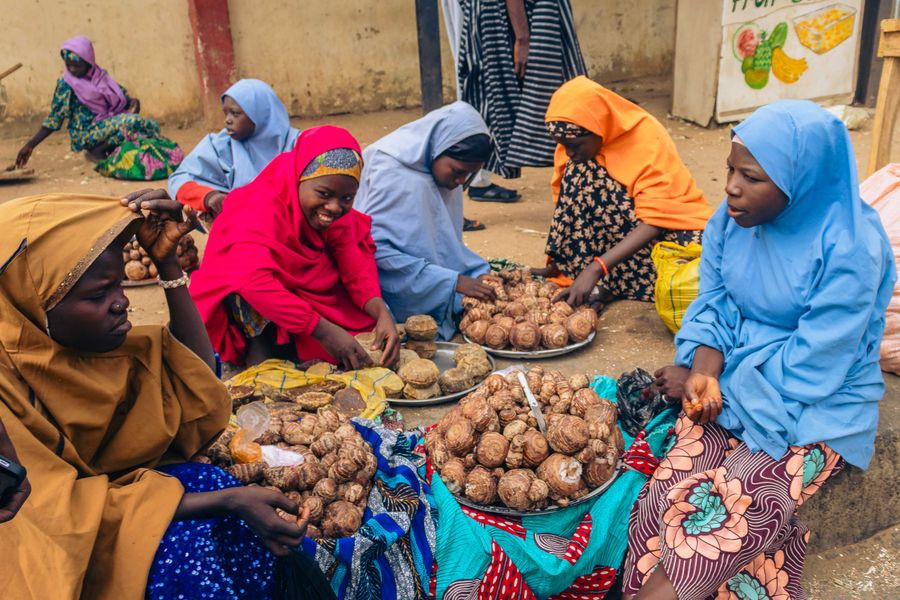
A $3 million regional initiative aims to improve cross-border trade between Cameroon and the Central African Republic (CAR), with a focus on women and young entrepreneurs who face administrative and financial barriers when moving goods across borders.
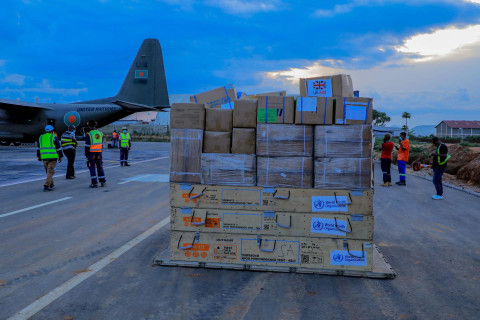
Launched in Yaoundé on October 6, the Project to Support the Implementation of the African Continental Free Trade Area (PAMOZ) will run for 24 months with support from the African Development Bank (AfDB) and the International Organization for Migration (IOM). Its activities will focus on the Douala–Bangui and Douala–Kousséri corridors, which connect Cameroon with the CAR and Chad.
The AfDB is contributing $2.7 million. According to Journal du Cameroun, the project aims to directly support 500 small-scale cross-border traders and indirectly benefit more than 10,000 households. Planned measures include improving border management, facilitating business formalization, strengthening data collection and expanding access to financial services.
Women already play a major role in informal trade across parts of Central Africa, but many operators lack access to information, finance and formal trading procedures. A United Nations Economic Commission for Africa (ECA) study published in 2026 found that women accounted for 67% of informal cross-border trade operators and 61% of export activities in the Cameroon–Gabon–Equatorial Guinea border area.
The same study found that 71% of surveyed operators had limited knowledge of trade and customs procedures. High border costs, informal payments and mobility restrictions add to the difficulties faced by small-scale traders.
For the landlocked CAR, improving trade routes is particularly important because the country relies on regional corridors to reach international markets. Delays and additional border costs can reduce traders’ earnings, limit business growth and affect the movement of goods.
PAMOZ forms part of broader efforts to implement the African Continental Free Trade Area (AfCFTA) and expand trade among African economies. Its impact will depend on whether the planned measures lead to simpler border procedures, better access to finance and more predictable conditions for women and other small-scale traders.