Cameroon is negotiating to take control of two power plants owned by independent power producer Globeleq, seeking to acquire the company’s 56% stakes in assets that together account for more than 20% of the Southern Interconnected Grid’s capacity.
The Kribi and Dibamba plants have a combined installed capacity of 304 megawatts. The government already owns the remaining 44% of Kribi Power Development Company and Dibamba Power Development Company. Formal negotiations over Globeleq’s exit began in March 2026, according to local reports. The purchase price and timetable have not been publicly disclosed.
The negotiations follow a major disruption in June. On June 1, KPDC and DPDC withdrew their generating capacity from the Southern Interconnected Grid after Cameroonian tax authorities froze Globeleq’s bank accounts. The move removed all 304 MW from the grid, according to the Ministry of Water and Energy, exposing the system’s reliance on the two plants.
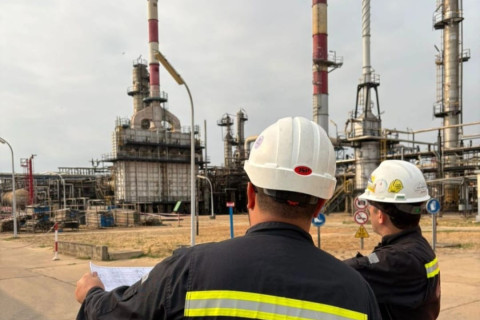
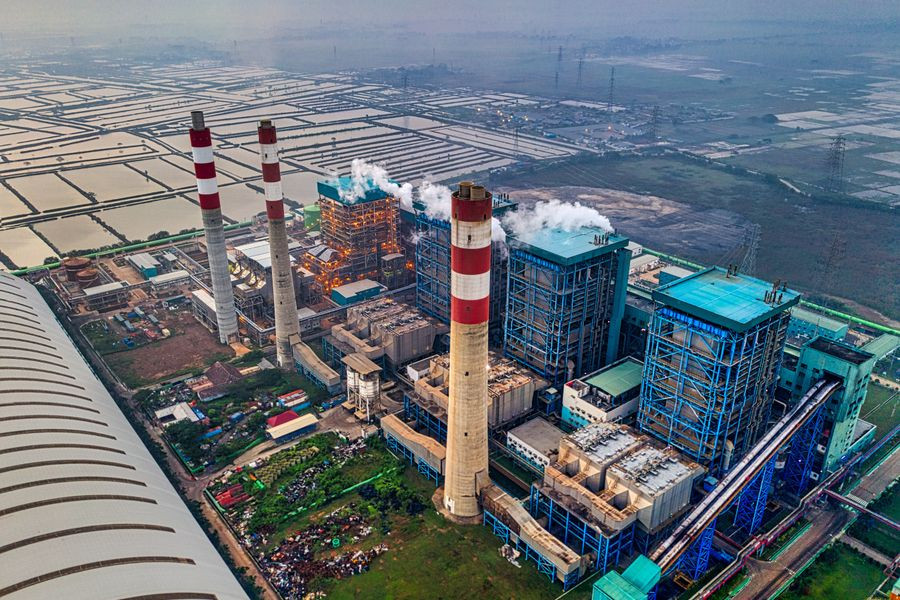
Kribi is a 216 MW natural gas-fired plant near the coastal city of Kribi, while Dibamba is an 88 MW heavy fuel oil plant near Douala. Kribi sells electricity to ENEO, Cameroon’s national utility, under a 20-year power purchase agreement. Dibamba supplies the national grid during periods of peak demand under a 20-year tolling agreement.
The government’s effort to take control of the assets predates the current talks. On July 5, 2025, it exercised its preemption right to block a potential sale of Globeleq’s stakes to a third-party investor. Savannah Energy was among the companies reported to have expressed interest in the assets.
The latest negotiations follow earlier financial disputes between Globeleq and Cameroon’s electricity sector. Kribi halted operations in September 2024 over unpaid bills owed by ENEO and resumed on Feb. 21, 2025, after the government reached an agreement with Globeleq. At the time, outstanding claims involving Globeleq were estimated at 137 billion CFA francs.
The potential acquisition is also part of a broader return of state control over electricity distribution. Cameroon acquired Actis’ 51% stake in ENEO, raising its ownership to 95%, and the utility was subsequently transformed into the state-owned Cameroon Electricity Corporation, or Socadel, in May 2026.
The Globeleq talks would give the state greater control over both the generation and distribution sides of Cameroon’s electricity system. Their outcome will determine the future ownership of two plants serving major economic centers including Yaoundé, Douala and Kribi.