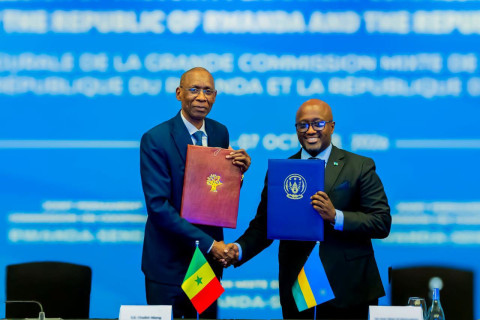
Mozambique and the Republic of Congo have signed 10 cooperation agreements in Brazzaville, in a move designed to revive a long-dormant partnership and expand cooperation across energy, trade, security, culture and mobility.
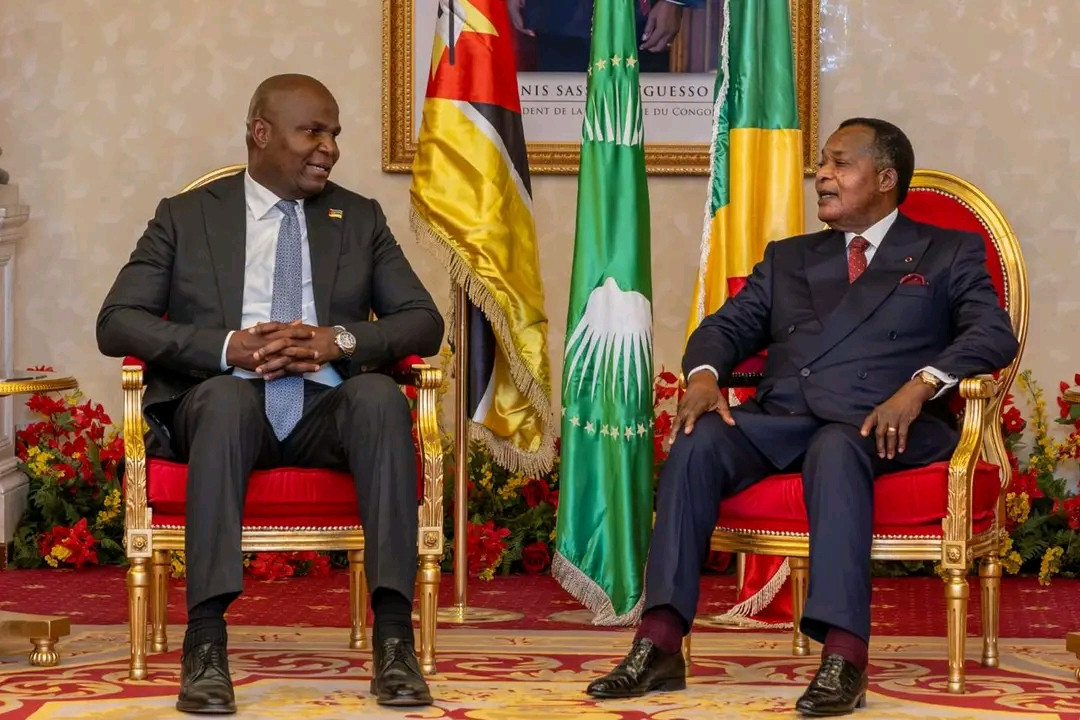
The agreements were signed in Brazzaville on October 7, during Mozambican President Daniel Chapo’s two-day official visit to Congo, according to Integrity Magazine.
The 10 instruments cover political consultations, visa exemptions, trade, tourism, fisheries, culture and the arts, forestry, maritime services, small and medium-sized enterprises, and hydrocarbons.
The two governments signed a dedicated hydrocarbons agreement, with both countries positioning themselves to exchange expertise on oil and gas management and energy infrastructure.
The agreements also commit the two governments to promote cross-investment and facilitate direct trade, including through opportunities created by the African Continental Free Trade Area (AfCFTA). Joint bilateral commissions are expected to monitor implementation and turn the political commitments into concrete projects.
Mozambique’s government had previously said the two sides also intended to deepen cooperation in higher education, mining and the management of the miombo woodland ecosystem.
The accords followed the first session of the two countries’ joint commission, held in Brazzaville on October 5 and 6. The joint commission identified fisheries, agriculture, livestock and hydrocarbons as priority areas for future cooperation.
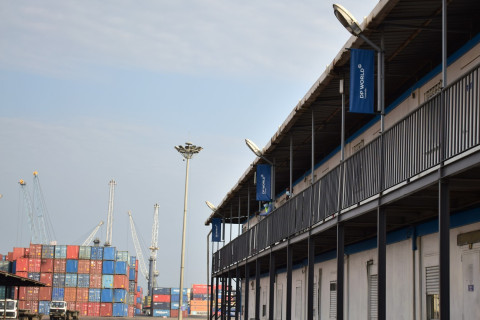
For Mozambique, the visit carried particular economic significance as Maputo seeks to advance gas and port infrastructure linked to the Rovuma Basin and liquefied natural gas projects. The Mozambican president’s delegation visited the Congo Power Plant and the Autonomous Port of Pointe-Noire, facilities seen as important links between Central and Southern African economies.
In Pointe-Noire, President Chapo met representatives of the Congolese private sector, where business leaders proposed exchanges between training centers and business missions to identify investable projects.
The Mozambican president said during the meeting that his country wanted to move beyond extracting natural resources and use the private sector as an engine of industrialization, and urged African countries to maintain unity in responding to security challenges across the continent.
In turn, Congolese President Denis Sassou Nguesso said that measures would be taken to ensure that the agreements deliver tangible benefits for both populations.