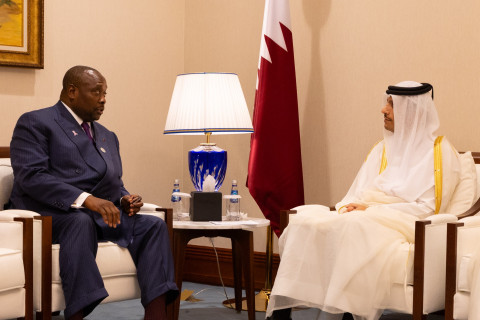
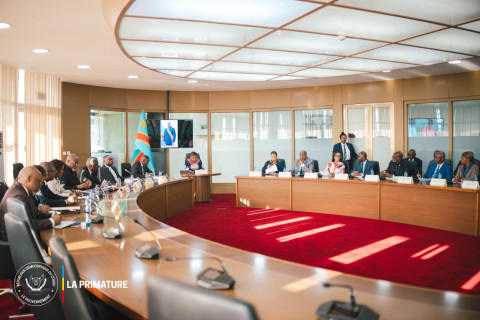
Gulf states are rapidly deepening their economic footprint across Central Africa through strategic investments in ports, logistics nodes, and mineral-linked infrastructure. The Democratic Republic of the Congo (DRC) has emerged as the critical focal point of this structural shift, signaling a new era of geopolitical competition over African supply chains.
The Port Push: From Discussion to Concession
In February 2026, the Abu Dhabi-based AD Ports Group solidified this trend by signing a heads of terms agreement with the DRC’s Ministry of Transport and ONATRA SA. The partnership aims to jointly explore the development, modernization, and operation of a multipurpose terminal at the strategic port of Matadi. This milestone followed high-level bilateral discussions in November 2025 between the UAE and DRC governments. The core focus remains targeted at two vital, Atlantic-facing gateways:
- Matadi Port: The historic economic lung of the DRC, currently limited by infrastructure bottlenecks.
- Boma Port: A crucial maritime outpost that, if modernized, could significantly ease the country's severe logistics constraints.
This move is not an isolated venture. AD Ports Group has aggressively expanded its African portfolio, establishing strategic footholds across key maritime corridors:
- Republic of the Congo (Pointe-Noire New Port): Developing a powerful Atlantic maritime hub for Central Africa.
- Cameroon (Kribi Port Concessions): Gaining direct leverage over the primary gateway to the landlocked Chad and CAR corridors.
- Tanzania (Dar es Salaam Port Operations): Securing a dominant position on the Indian Ocean exit point for East African trade.
- DRC (Matadi & Boma Ports): Accessing the critical Atlantic endpoints of the Copperbelt export routes.
Redefining the Mineral Routes
For the DRC, the implications of Gulf institutional investment extend far beyond simple port modernization. Control over maritime infrastructure and adjacent logistics links directly influences how critical minerals move from inland production zones—such as the Katanga copper-cobalt belt—to global export markets. Furthermore, the revitalization of Matadi and Boma directly intersects with broader cross-border infrastructure initiatives, most notably the Lobito Corridor and its surrounding dry ports. As Central Africa accelerates its commercial integration, Gulf capital is positioning itself to control the exact nodes where trade flows, customs revenues, and raw materials converge.
The Pragmatic Choice and Its Shadows
For Central African governments, Gulf investment offers a highly attractive, alternative source of financing. At a time when national infrastructure deficits remain staggering, traditional Western funding is often slow, heavily conditional on governance reforms, or bound by bureaucratic inertia. However, this rapid influx of capital raises critical structural questions:
The Sovereign Risk: The speed of these deals often comes at the expense of transparency. When concession terms remain opaque, host nations face severe asymmetries in bargaining power, risking long-term sovereign control over vital national assets.
The aggressive entry of UAE and wider Gulf capital has fundamentally reshaped the diplomatic landscape of Central Africa. Infrastructure is no longer just a byproduct of economic development; it has become the primary tool of foreign influence.
The regional contest is no longer confined to traditional formats like foreign aid, military security, or political mediation. The modern geopolitical struggle in Central Africa is defined by a single question: who finances, manages, and ultimately benefits from the region's ports, corridors, and mineral routes?