Russia’s state nuclear corporation Rosatom and Togo’s Ministry of Energy have signed a memorandum of understanding on cooperation in peaceful nuclear energy, a move that could eventually lead to nuclear power and non-power nuclear projects in the West African country.
The agreement was concluded on the sidelines of the Russia-Africa Summit in Moscow on October 28. Under the memorandum, the two sides will establish specialist working groups to examine the feasibility of practical projects in nuclear energy and in non-energy uses of nuclear technology, according to TASS.
They are also expected to identify concrete measures for developing Togo’s nuclear workforce and for building public understanding and support for atomic energy.
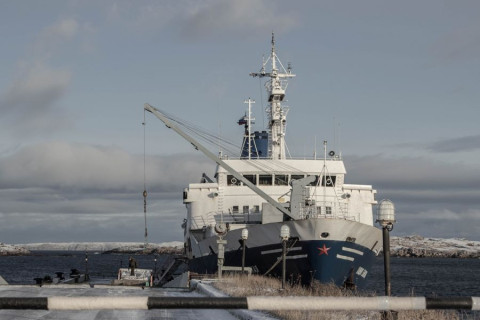
The agreement does not commit either party to building a plant, but it creates a framework for feasibility studies, technical dialogue, and longer-term planning. Floating nuclear power plants could be among the potential areas of cooperation, reflecting Rosatom’s interest in offering mobile, low-carbon electricity solutions to countries without established nuclear infrastructure.
Rosatom Director General Alexei Likhachev described the memorandum as “a new chapter” in relations between the corporation and Togo, and said that Russia was prepared to offer cooperation in energy, healthcare, and agriculture, while also supporting specialist training and the development of nuclear infrastructure.
Likhachev singled out floating nuclear power units as a particularly promising option for providing reliable, low-carbon electricity, and argued that for Togo nuclear technologies could become “a powerful catalyst” for socioeconomic development and improved living standards.
The memorandum aligns with Rosatom’s broader push to expand its presence across Africa, where it has pursued nuclear cooperation agreements, feasibility studies, and training programs with several governments. For Togo, the immediate value is likely to lie in capacity-building and technical assessment rather than an imminent construction project.
Any future deployment would still require detailed regulatory, safety, financing, grid, and environmental work, as well as public consultation.