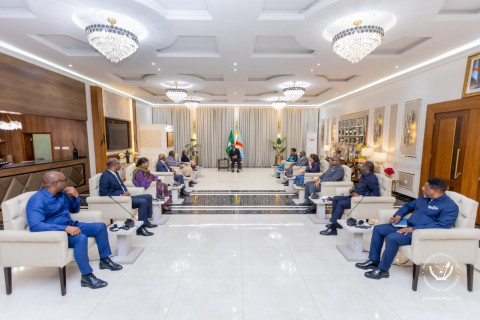
When the African Union reinstated Gabon earlier this year, the decision marked more than the formal end of the country's suspension following the 2023 political transition. It reopened the door to regional diplomacy and restored Gabon's ability to participate fully in the political institutions that shape decision-making across Africa. Several months later however, the more important question is no longer whether Gabon has returned to the diplomatic stage, but how it intends to use that renewed access.
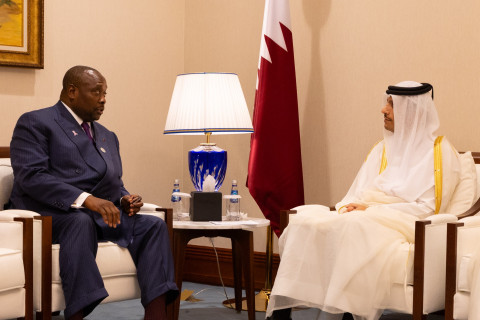
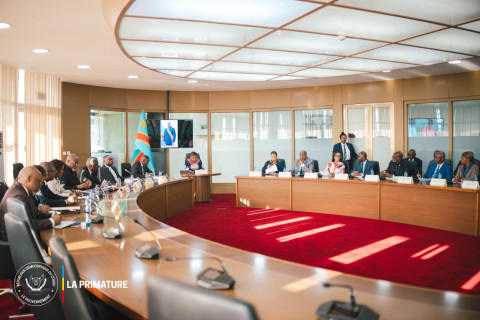
The country's external engagement has become markedly more active. Government officials have resumed participation in regional meetings, diplomatic exchanges have accelerated, and discussions with international partners increasingly focus on economic cooperation, investment, and institutional reform rather than political uncertainty. For a country whose international standing was temporarily defined by constitutional questions, the agenda has shifted back toward development and regional integration.
This transition reflects an important distinction. Reinstatement by the African Union restored political legitimacy within the continent, but rebuilding diplomatic credibility requires a longer process. Governments, international financial institutions, and private investors typically evaluate political stability not through individual events but through sustained institutional performance. Consistent policymaking, predictable regulation, and constructive regional engagement remain essential signals for partners considering long-term cooperation.
For Gabon, regional diplomacy has become a practical instrument of economic policy. Membership in Central African institutions provides access to political dialogue that increasingly overlaps with discussions on infrastructure, trade, financial integration , and cross-border investment. As governments across Central Africa seek to strengthen regional connectivity and diversify their economies, diplomatic normalization creates opportunities that extend well beyond traditional foreign policy.
The country's renewed engagement also illustrates a broader trend across the continent. Regional organizations are demonstrating a growing willingness to encourage political normalization once transitional authorities establish credible roadmaps toward constitutional governance. Rather than remaining permanently isolated, governments emerging from periods of political disruption are increasingly expected to restore confidence through institutional reforms and sustained engagement with regional partners.
Whether this diplomatic momentum ultimately translates into stronger investment flows and deeper regional cooperation will depend less on symbolic milestones than on consistent execution. Returning to international institutions may reopen diplomatic channels, but lasting credibility is built gradually—through predictable governance, reliable institutions , and the confidence that today's political stability can be sustained over the long term.
Gabon's Diplomatic Return Is Entering New Stage
When the African Union reinstated Gabon earlier this year, the decision marked more than the formal end of the country's suspension following the 2023 political transition. It reopened the door to regional diplomacy and restored Gabon's ability to participate fully in the political institutions that shape decision-making across Africa.

Follow Africa Monitoring on Google: