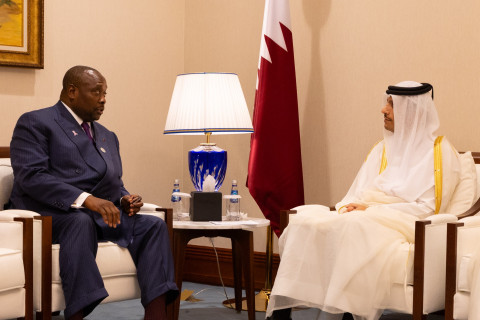
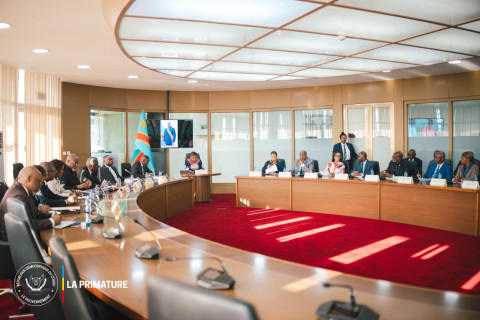
Peace process around eastern Democratic Republic of Congo is showing signs of movement in diplomatic corridors while situation on ground remains fragile. Latest round of negotiations between Congolese government and AFC/M23 rebel coalition took place in Switzerland — most recent step in long chain of mediation efforts that began in Doha under Qatari facilitation.
DRC government and AFC/M23 rebel coalition signed interim peace monitoring mechanism during Switzerland talks, creating body responsible for tracking humanitarian and security developments and monitoring potential ceasefire violations. Mechanism will include representatives from both sides, with support from MONUSCO — UN stabilization mission currently deployed in DRC.
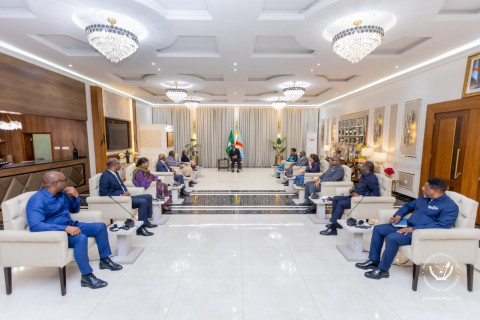
Fifth Joint Oversight Committee meeting for Washington Peace Agreement took place in April 2026, reviewing progress achieved following March 17-18 meetings in Washington. Both DRC and Rwandan sides presented updates on implementation of their de-escalation commitments. State of Qatar provided separate update on ongoing Doha negotiations between DRC government and AFC/M23. Committee expressed strong support for continued process, with particular recognition of Switzerland's role in hosting latest round of talks.
Progress is however moving slowly. Negotiations have been tense throughout, with neither side showing much willingness to step back from maximalist positions. DRC has maintained firm negotiating stance partially because M23 does not pose direct military threat to central government in Kinshasa — dynamic that reduces urgency on Congolese side to make significant concessions.
International Crisis Group analysts note that road to settlement will not be simple or direct. Among priorities identified — permanent ceasefire, humanitarian access to eastern provinces and high-level diplomatic work to manage deteriorating relations between Rwanda and Burundi, whose continued support for Congolese forces has become additional complicating factor in broader regional picture.
Background of current process stretches back to early 2025. As late as February 2025, President Tshisekedi was still publicly refusing to hold any direct negotiations with M23, describing group as Rwandan puppets. Combination of international pressure and growing recognition that military solution to conflict was not available eventually led Kinshasa to authorise direct talks. First negotiations began in April 2025 in Doha.
Clashes are continuing in South Kivu highlands, with civilians caught between government forces and rebel positions despite all diplomatic activity at international level. Al Jazeera correspondent reporting from Goma described situation on ground as very fragile at time of latest Switzerland round.
Diplomatic community is maintaining cautious optimism. Creation of monitoring mechanism is considered step forward — previous peace agreements in DRC history collapsed in part because no functioning body existed to verify compliance. Whether this mechanism will prove more durable than its predecessors remains central question as process moves forward into second half of 2026.