Tensions within the M23’s political and military leadership have exposed divisions over the movement’s direction, the role of its military command and its relationship with Rwanda.
Africa Intelligence reported on September 23 that a foiled attempt to undermine the authority of M23 military commander Sultani Makenga had revealed divisions at the heart of the movement. The report said tensions had emerged between the group’s political and military leadership, adding to existing disagreements over its strategy and command structure.
The divisions are also reflected in the latest UN reporting. In its final report issued in June 2026, the UN Group of Experts on the Democratic Republic of the Congo said Makenga remained the overall military commander of AFC/M23, although his position had become increasingly contested within the movement and by Rwanda. The report said Bertrand Bisimwa and Corneille Nangaa continued to lead the group politically, while tensions between the political and military branches persisted.
The disagreement is partly linked to the movement’s ambitions beyond eastern Congo. According to the UN report, political figures including Nangaa and former President Joseph Kabila sought to seize power in Kinshasa, while most M23 leaders opposed military operations beyond North and South Kivu. The report also documented disputes among senior M23 figures over access to and distribution of resources.
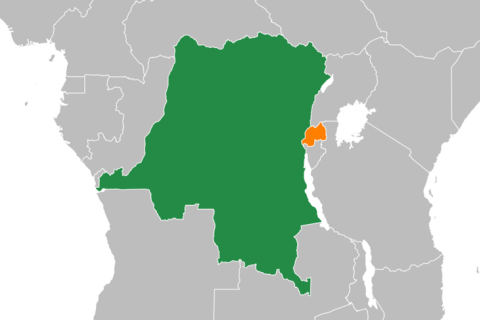
Rwanda’s role adds another layer to the leadership dispute. The UN Group of Experts said reports had resurfaced that Rwandan authorities were considering Makenga’s replacement, amid allegations that he maintained close ties to Uganda and lacked trust in Rwanda. It also said sanctioned figures Laurent Nkunda and Baudoin Ngaruye, both perceived as aligned with Rwanda, were expected to assume more prominent roles within M23. The report attributed that information to its earlier 2025 reporting.
The prospect of such a restructuring reportedly deepened mistrust among commanders and fighters loyal to Makenga. The UN report also noted that historical and personal rivalries had contributed to tensions within the movement. At the same time, the report found that the military command remained in Makenga’s hands, indicating that the reported dispute had not translated into a formal break in the movement’s leadership.
Human Rights Watch provides a separate picture of the movement’s leadership through its documentation of abuses. In its June 2026 report, “Death Was Everywhere,” HRW documented mass arrests, forced recruitment, killings and other abuses by M23 forces and Rwandan military personnel. It identified Nangaa, Makenga, Bisimwa and Ngaruye among senior AFC/M23 leaders who were reportedly seen at the Rumangabo and Tshanzu training centers in 2025.
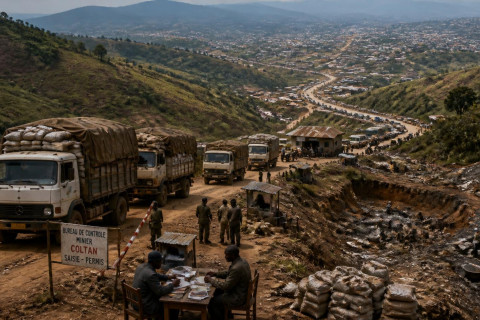
The UN has also documented the consolidation of AFC/M23’s parallel administrative structures in territories under its control. Its June report recorded the creation of administrative and financial structures, including taxation systems and the takeover of public utilities in areas controlled by the movement.
These developments are unfolding alongside continuing diplomatic efforts. The UN Group of Experts reported that the Washington and Doha frameworks had been only partially implemented and that efforts to harmonize parallel mediation processes had not succeeded. The report said successive ceasefire initiatives had failed to hold and that mistrust between the parties remained a major obstacle.
The result is a movement facing pressure on several fronts at once. Its political leadership continues to pursue a broader political project, while parts of its military leadership have resisted expanding the conflict beyond eastern Congo. Meanwhile, reported disagreements over Makenga’s position and Rwanda’s influence have added another source of uncertainty to the future structure of AFC/M23.