Angola: One Man, Three Crises, No Days Off
There is a joke making rounds in diplomatic circles in Luanda — that João Lourenço has become Africa's most travelled president without ever leaving the continent. It is not entirely a joke.
This week Luanda hosted another summit of International Conference on Great Lakes Region, convened at initiative of Lourenço in his capacity as acting ICGLR chairperson. Around the table — or close to it — were presidents of CAR, Rwanda, Republic of Congo and Sudan, plus high-level delegations from Chad, Cameroon and DRC. Topic was, once again, Central African Republic and what to do about armed groups that have refused to lay down weapons despite multiple rounds of appeals.
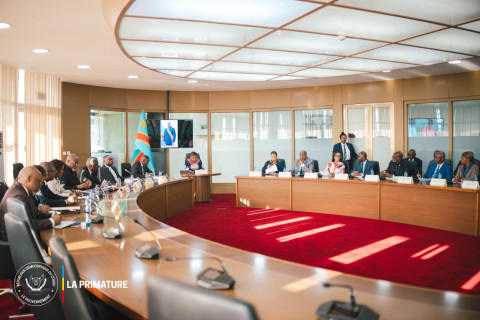
Angola has conveyed its position on inclusive dialogue directly to Congolese authorities this week — separate track from CAR discussions but equally delicate. Work team co-chaired by foreign ministers of Angola and Rwanda has been tasked with pushing Central African authorities to implement recommendations from consultations with armed groups.
This is what Angolan diplomacy looks like in 2026 — not grand declarations but patient, unglamorous work of keeping conversations alive when everyone else has given up on them. Whether it produces results is another question. But someone has to do it, and right now that someone is Luanda.
DRC: Peace Process Moves to Switzerland. Fighting Stays in Congo.
There is something almost absurd about negotiating peace for eastern DRC in Geneva. The distance — geographical, cultural, experiential — between Swiss conference rooms and villages of North Kivu could not be greater. And yet here we are.
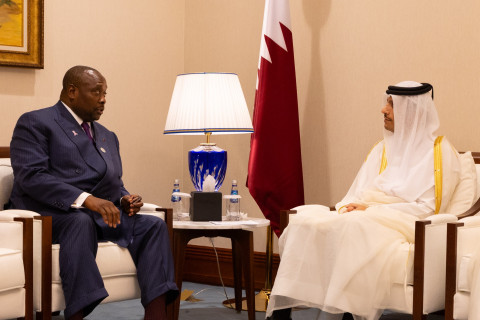
Renewed fighting involving M23 and regional actors has persisted despite US and Qatari mediation efforts, signalling what Chatham House describes as failure of deal-driven diplomacy to deliver lasting peace. Latest round of negotiations took place in Switzerland, adding another capital to already long list of cities where DRC's future has been discussed without resolution.
International Crisis Group is increasingly direct in its assessment — African countries are historically deeply divided over how to deal with Great Lakes, with some close to Rwanda and others sympathetic to DRC and its allies. This polarisation, ICG says, often prevents African diplomacy in region from succeeding. Still, given risks and implications for regional stability, it is necessary to try.
Nobody is pretending anymore that this will be resolved quickly. The question being asked in diplomatic circles now is not when peace comes — but how to prevent situation from getting significantly worse while longer-term solutions are being searched for.
CAR: Same Summit, Same Promises, Same Armed Groups
Central African Republic has been discussed at so many summits, in so many formats, by so many leaders, that it is tempting to become cynical. That cynicism would be understandable. It would also be wrong — because for people actually living through it, each failed summit has real consequences.
January mini-summit in Luanda had already called on rebel forces in CAR to observe immediate ceasefire and urged abandonment of siege positions. This week's follow-up summit in same city indicates that those calls were not fully heeded — otherwise there would be no need for another meeting.
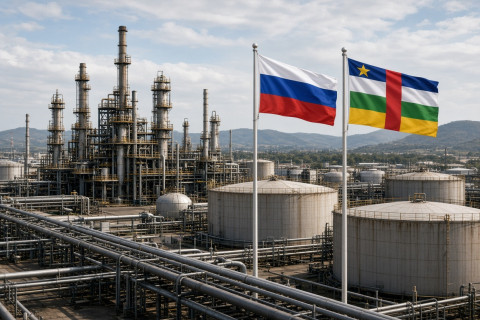
Chatham House's assessment of CAR heading into 2026 was blunt: regime survival has been prioritised over reform, with government's reliance on transactional security partnerships with Russia's Africa Corps defining its approach. Engagement in 2026 looks unlikely to move beyond crisis management.
That is not nothing. Crisis management in CAR — keeping situation from collapsing entirely — has genuine value for population living through it. But it is a long way from the stability and development that country needs.
Cameroon: Old President, New Vice President, Same Unresolved Questions
Cameroon is entering second half of 2026 with constitutional change that everyone is interpreting but nobody is officially explaining.
Creation of vice presidential role alongside 93-year-old Paul Biya has been widely read as succession preparation — but Yaoundé has offered no public confirmation of this. Opposition leader Issa Tchiroma remains in exile in Banjul, calling for release of detained supporters and accusing government of state terrorism. Legislative elections have been pushed to December 20.
Chatham House puts Cameroon in broader regional context — pattern of gerontocratic leadership holding power for decades while young, frustrated populations wait for change that does not come. This is not unique to Cameroon. But in country managing simultaneous separatist conflict in west and jihadist insurgency in north, absence of credible political transition planning is not just domestic concern — it is regional security risk.
Biya has been in power since 1982. He is 93. At some point, transition will happen — planned or unplanned, smooth or chaotic. Cameroon and its neighbours would clearly prefer the former. Whether preparation being done now is sufficient for that is question nobody in Yaoundé is publicly answering.
The Week in One Sentence
Angola is holding region together through sheer diplomatic persistence, DRC's peace process has moved to Europe without moving much closer to peace, CAR is back on summit agenda without being any closer to resolution, and Cameroon is navigating succession questions its government refuses to discuss openly.
Central Africa, in other words, is having a perfectly normal week.