Africa’s critical mineral producers face a strategic choice: continue exporting raw and semi-processed materials or use growing global demand to build industries that generate more value, skilled jobs and business opportunities at home. Achieving this requires more than export restrictions. Governments need policies that make domestic processing competitive and connect mining to broader industrial development.
An October 2026 report by the Organisation for Economic Co-operation and Development (OECD) found that 24% of Africa’s critical mineral exports were raw materials and 72% were semi-processed products. Although countries such as the Democratic Republic of the Congo аnd Zambia have established processing facilities, many operate as isolated industrial sites rather than parts of integrated manufacturing networks.
The challenge is to turn mineral wealth into a foundation for wider economic activity through viable processing, regional cooperation, infrastructure and investment in local capabilities.
Processing Is Only the First Step
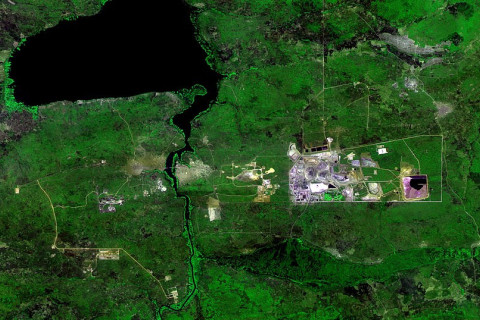
The DRC illustrates both the potential and the limits of local value addition. A major copper producer and the world’s leading supplier of cobalt, the country already exports substantial volumes of refined copper. However, some concentrates still leave the country for further processing elsewhere.
In August 2026, the DRC banned exports of copper and cobalt concentrates to encourage domestic processing, while allowing exemptions in certain circumstances. The policy reflects a wider challenge: existing facilities cannot necessarily process every operation’s output.
Reuters reported that the DRC exported approximately 696,725 metric tons of copper cathodes and 53,926 metric tons of copper concentrate in the first quarter of 2026. These figures underline that the country is not simply exporting all its copper in raw form. The next challenge is to expand competitive domestic production beyond existing processing stages.
Refining can increase export value, but it does not automatically create a diversified industrial base. Broader development requires additional investment in metal fabrication, electrical components, engineering and other supplier industries. Such activities may offer more attainable starting points than immediately attempting to manufacture finished batteries or electric vehicles.
Export Restrictions Need Capacity Behind Them
Indonesia demonstrates how export controls can influence industrial investment. After an earlier ban failed to attract sufficient smelting investment, the country reinstated restrictions on raw nickel ore exports in January 2020, requiring domestic processing.
The policy was followed by a major expansion in smelting capacity. According to the OECD, the value of Indonesia’s ferronickel and processed nickel exports rose from $4.5 billion in 2019 to $19.6 billion in 2022. The International Monetary Fund (IMF) estimated that less than one-third of the increase was attributable to higher global prices, suggesting that expanded processing and export volumes accounted for much of the change.
Indonesia’s experience shows that restrictions can influence investment when a country has substantial resources and can attract the capital needed to build processing facilities. However, its production scale and investment conditions are not easily replicated across African economies.
Export controls can also reduce earnings, discourage investment or encourage companies to seek exemptions when domestic facilities are unavailable or uncompetitive. African governments should therefore link restrictions to realistic plans for processing capacity, energy supply and market access rather than treat them as a substitute for industrial policy.
Regional Cooperation Can Build Scale
The copper-producing region spanning the DRC and Zambia offers an opportunity to develop connected industries across borders. Both countries have established mining sectors, and cooperation could help them share infrastructure, expand markets and attract investment that might be difficult to sustain in smaller national markets.
The OECD identifies regional processing hubs as a way to achieve economies of scale. This is important because processing plants require substantial capital, reliable electricity, efficient transport, skilled workers and access to buyers. New facilities must also compete with established industrial centers in Asia.
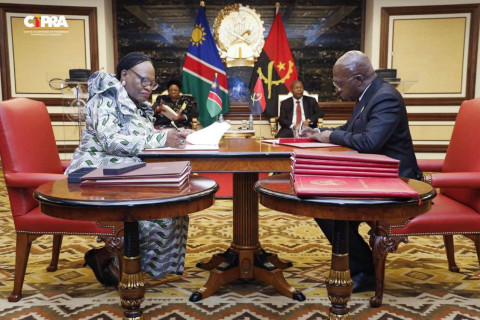
The DRC and Zambia have pursued plans for a cross-border special economic zone focused on batteries and electric vehicles. The initiative reflects their ambition to move beyond mineral extraction, although it should not be mistaken for an already established regional battery industry.
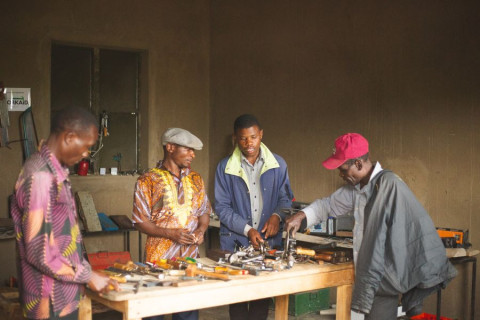
More immediate opportunities may lie in copper wire, electrical cables, industrial equipment, engineering and maintenance services. These activities can serve mining and energy projects while creating opportunities for local manufacturers and suppliers.
The African Continental Free Trade Area could support such value chains, but success depends on reducing practical barriers to cross-border trade and coordinating industrial policies. Without that cooperation, countries risk competing for the same investors while building facilities that lack sufficient scale.
Make Investment Deliver Broader Benefits
African governments can use their access to mineral resources to negotiate for more than extraction revenues. Mining agreements and industrial policies should include measurable commitments to workforce training, local supplier development, technology transfer and processing where commercially viable.
Local procurement is particularly important. When mines purchase engineering, maintenance, logistics and other services from domestic businesses, they help build an industrial ecosystem beyond the mine itself. Local firms need access to finance, technical expertise, certification and predictable demand to compete for these contracts.
Governments must also address the conditions that determine whether processing is commercially viable: affordable electricity, transport infrastructure, technical education, transparent licensing and predictable regulation.
Foreign investment remains essential to this process. Chinese companies, alongside investors from the United States, Europe and the Gulf, can provide capital, equipment, technology and access to markets. The objective is to align these partnerships with domestic industrial priorities while maintaining commercially sustainable projects.
Measure Results, Not Announcements
The success of a mineral strategy should be judged by economic outcomes rather than the number of export restrictions or announced investments. Relevant measures include domestic processing volumes, exports of higher-value products, skilled employment, tax receipts and purchases from local suppliers. Governments should also assess whether public incentives and infrastructure spending generate benefits that justify their cost.
Not every mineral deposit can support competitive domestic processing, and not every production stage needs to be located within national borders. Decisions must reflect energy costs, technology, market demand, environmental requirements and production scale. Where deeper processing is not yet viable, developing supplier industries, technical skills and shared infrastructure may offer a more effective starting point.
Africa’s critical mineral opportunity will depend on whether extraction can anchor broader productive capacity. The strategic shift is from bargaining primarily over access to mineral deposits to negotiating for the industries, skills and local businesses those resources can help create. Export controls may support that goal, but lasting industrial development requires coordinated investment, regional markets and policies that turn mineral wealth into sustainable economic activity.