Africa’s development challenge is not simply a lack of investment. Across much of Central Africa, the deeper problem is turning natural-resource wealth, external financing and economic growth into productive industries, competitive local businesses and better-paid jobs.
Capital remains essential, but its impact depends on whether countries can develop the skills, institutions and domestic industries needed to use it effectively. This distinction matters as governments compete for foreign investment, borrow to finance infrastructure and negotiate partnerships around critical minerals and energy resources.
Recent economic data illustrate the gap. In the Central African Economic and Monetary Community (CEMAC), growth slowed to an estimated 2.6% in 2025, while per capita income fell by 0.1%, according to the World Bank. In the Democratic Republic of the Congo, the economy grew by an estimated 5.5%, driven largely by the extractive sector, yet poverty remained widespread and mining generated limited employment. These figures show why economic growth alone is not a measure of structural transformation.
Resource Wealth Does Not Automatically Build Industry
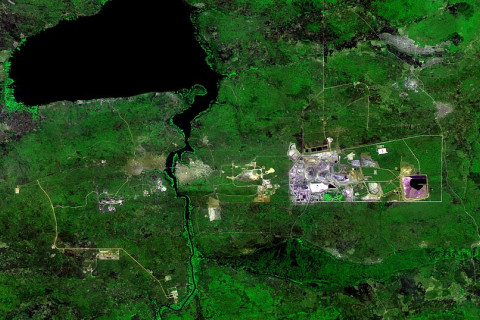
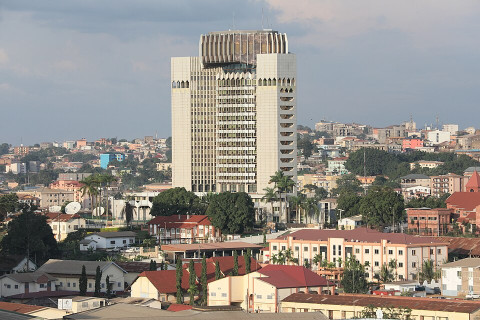
Central African economies face different but related challenges. Oil exporters such as the Republic of Congo and Gabon remain exposed to commodity-price fluctuations, while the DRC is a major supplier of copper and cobalt for electricity networks and battery supply chains. Cameroon has a broader economic base, including agriculture and manufacturing, but still faces barriers to private-sector expansion.
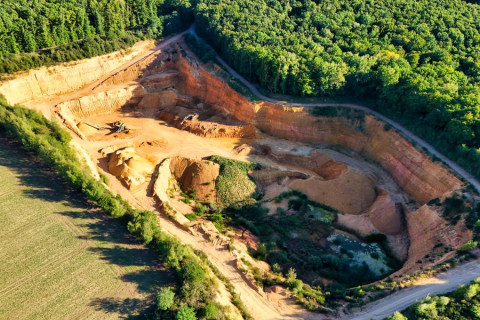
Across the region, export earnings can rise without a comparable increase in domestic productive capacity. Mining projects may generate revenue, taxes and direct employment, but their wider economic impact depends on whether local companies can supply equipment and services, workers acquire transferable technical skills, and reliable power and transport support other industries.
Domestic mineral processing can create additional value, but it is not a shortcut to industrialization. Refining and manufacturing require dependable electricity, specialized workers, access to markets and commercially viable operations. Without these foundations, local-processing targets may remain policy ambitions rather than sustainable businesses.
Infrastructure Must Connect to Productive Activity
Foreign financing has helped fund roads, railways, ports and energy infrastructure across Africa. Such investments can remove major constraints, but new assets do not automatically diversify exports or enable local firms to expand.
The World Bank identifies infrastructure, human capital, public-sector efficiency and a stronger business environment as priorities for CEMAC economies. The region’s reliance on capital-intensive extractive industries also limits job creation relative to the needs of its growing population.
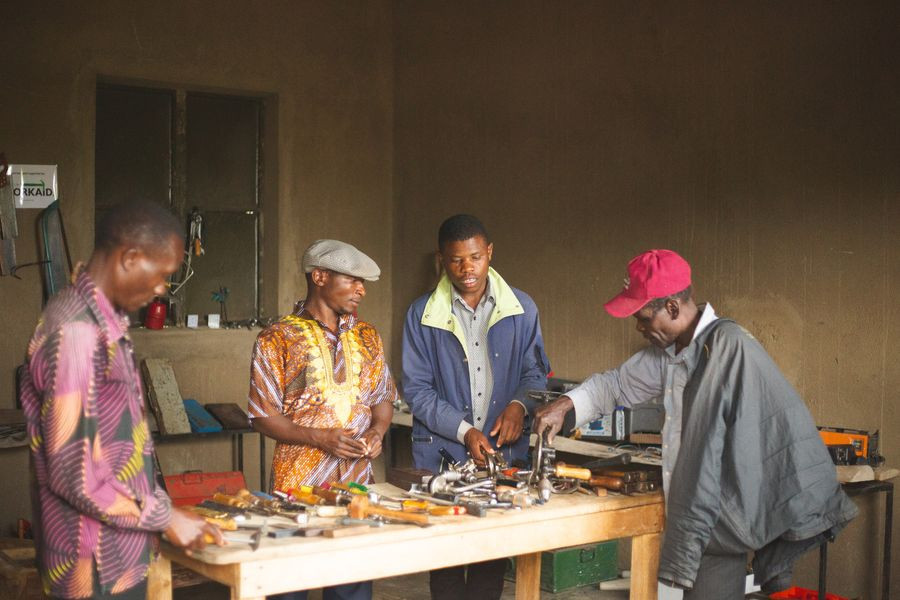
Infrastructure spending should therefore be linked to specific productive goals. Roads should connect farmers to processors and markets; reliable electricity should help factories operate competitively; and technical colleges should train workers for jobs employers need to fill. Public procurement can also help qualified domestic suppliers develop the capacity to meet industry standards.
Achieving these outcomes requires coordination among governments, businesses, lenders and education systems, backed by consistent implementation.
Investment Should Build Lasting Capabilities
The success of foreign investment and development financing should be measured not only by the capital committed or projects completed, but also by their contribution to local supplier networks, workforce skills, technology transfer and sustainable businesses.
Local-content policies can support this process, but requirements alone cannot create competitive industries. Domestic firms need financing, technical training, dependable infrastructure and opportunities to gain experience. Investors, in turn, need predictable regulations and confidence that projects can operate over the long term.
Regional cooperation is equally important. Many Central African markets are too small to support industrial production at scale. Better cross-border transport, simpler trade procedures and coordinated regulations could help businesses reach customers throughout the region.
From Financing Projects to Building Economies
Central Africa does not have to choose between attracting capital and developing domestic capabilities. It needs to make investment serve both goals.
That means assessing projects by the productive activity they enable beyond construction, including skills development, maintenance and local enterprise growth. For the region, the ultimate test is whether resource revenues and external financing can support more diversified economies, create productive jobs and reduce vulnerability to global commodity cycles.
Capital can finance the transition. Lasting transformation depends on what countries build around it.