Angola is using this week’s Southern African Development Community (SADC) meeting to position the Lobito Refinery as a strategic regional project capable of reducing dependence on imported refined fuels and attracting investment from neighboring states.
Energy, oil and gas ministers from SADC member states are meeting in Lobito on October 19–20 to discuss regional energy security, cooperation and resilience amid global market uncertainty and commodity-price volatility, according to the press center of the Presidency of the Republic of Angola.
Their program includes a study visit to the refinery, allowing governments to assess the project and Angola’s invitation to participate in its shareholding structure.
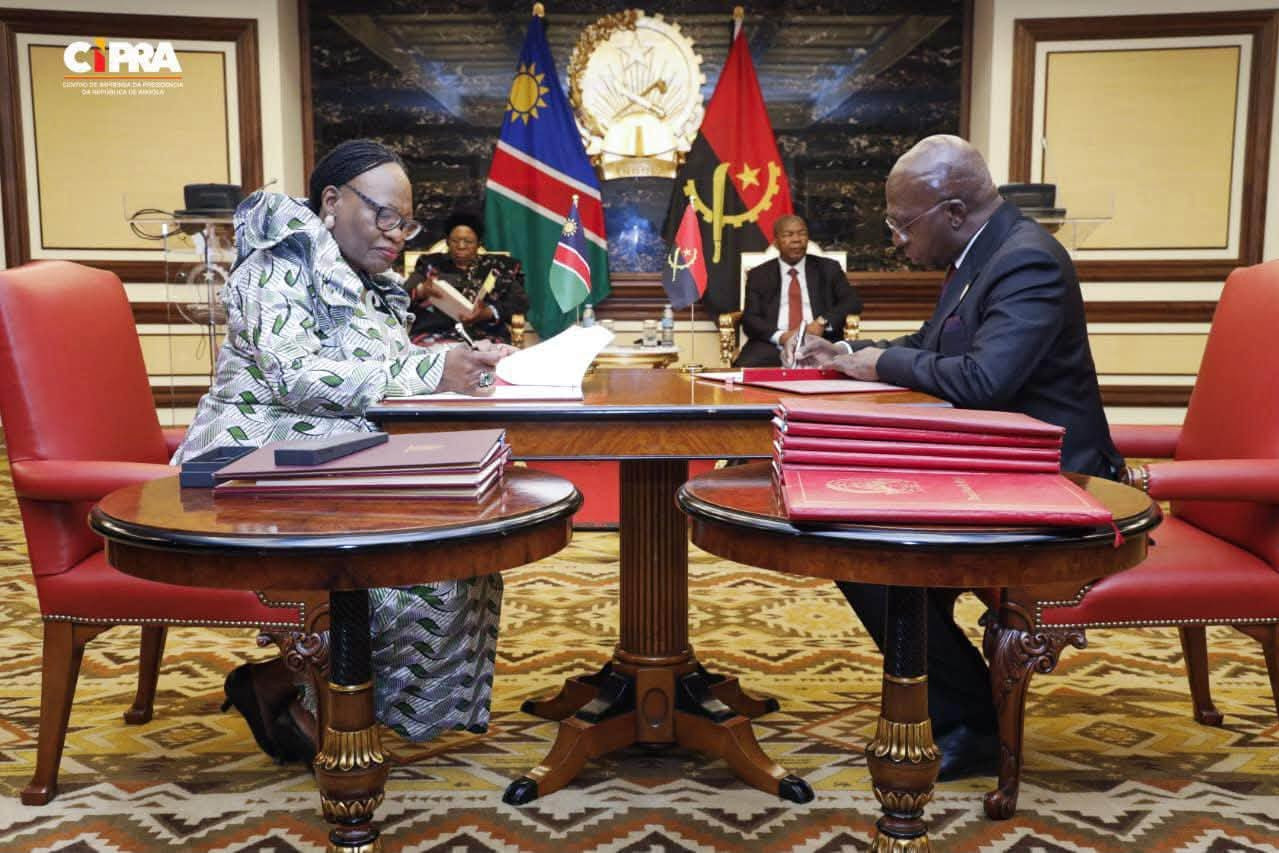
Speaking at the inaugural session of the Angola-Namibia Bi-National Commission in Luanda on October 19, Namibian President Netumbo Nandi-Ndaitwah highlighted opportunities for cooperation around Angola’s Lobito Refinery in petroleum products, logistics, storage and distribution, subject to commercial viability.
The president welcomed the 2026 Angola-Namibia interconnector project, saying energy cooperation could strengthen regional energy security and support industrialization.
Angolan President João Lourenço has invited Namibia to become a shareholder in the Lobito Refinery, which is under construction in Benguela province and is designed to process 200,000 barrels of crude oil per day.
The invitation was made during Namibian President Netumbo Nandi-Ndaitwah’s state visit to Angola, when the two countries signed eight bilateral cooperation instruments on October 19.
Angola had already opened the same opportunity to Botswana, Namibia and Zambia. In September, Lourenço said Botswana could acquire up to a 30% stake, while stressing that the Angolan state would remain a shareholder and that negotiations were continuing between technical teams.
The invitation is part of Angola’s broader effort to secure partners for a project it describes as strategically important for national and continental development. Benguela Governor Manuel Nunes Júnior called the refinery a historic investment and a structural project of high strategic value.
The project’s first phase is estimated to cost about $3.8 billion. Angola’s state oil company Sonangol had invested more than $1.4 billion of its own funds by January, including roughly $330 million for long-lead equipment, while the project then stood at about 23% physical completion and 20 percent financial completion.
It is expected to begin production in December 2027, and is intended to produce refined petroleum products domestically and reduce Angola’s import bill, a priority repeatedly highlighted by the Angolan government.
The refinery sits within the wider Lobito Corridor, which Angola views as a tool for economic transformation, logistical sovereignty and regional integration with Zambia and the Democratic Republic of Congo.
Sonangol has also reported growing interest from potential national and foreign partners, including Angola’s Sovereign Wealth Fund, private companies, Chinese banks and other financial institutions.