Chad and Niger have turned to diplomatic dialogue to ease tensions following Niamey's accusation that Chadian forces carried out a deadly drone strike on Nigerien territory. The two countries' foreign ministers met in Moscow on the sidelines of the third Russia–Africa Summit on October 28–29, seeking ways to reduce bilateral tensions.
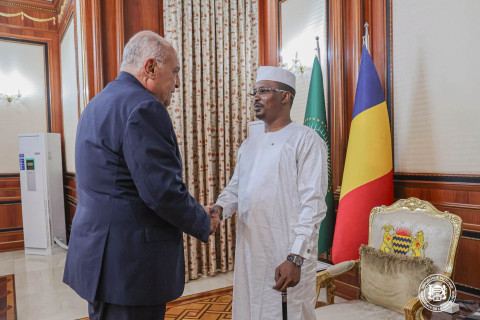
Chadian Foreign Minister Ahmed Kogri and Nigerien Foreign Minister Bakary Yaou Sangaré discussed bilateral relations and issues of mutual interest, including prospects for easing tensions, according to the Nigerien news outlet ActuNiger. The meeting was also reported by Chadian outlet Tchadinfos, which cited the Chadian Foreign Ministry.
The talks followed an incident on October 24 in the Emiloulou area of Niger's Agadez region. According to a statement issued by Niger's government on October 27, a drone strike launched from Chadian territory with French support killed two civilians, wounded several others and damaged vehicles.
Niamey said investigations by its security forces and judicial authorities had identified the origin of the attack through material and technical evidence. The government announced plans to submit the findings to relevant international bodies and called for an independent international investigation. It also summoned Chad's ambassador and announced that it would refer the matter to the UN Security Council and the African Union's Peace and Security Council.
Chad firmly rejected the accusations on October 27, denying that it had ordered, conducted or supported any military air operation against Niger. Government spokesman Gassim Chérif Mahamat called on Niamey to make its alleged evidence public and said N'Djamena supported an independent international investigation. Chad also rejected claims that its territory was being used as a base for armed groups targeting Nigerien civilians and infrastructure.
The Moscow meeting provided an opportunity for both governments to maintain diplomatic contact amid the dispute. However, neither side has publicly announced an agreement resolving the accusations or the underlying tensions.