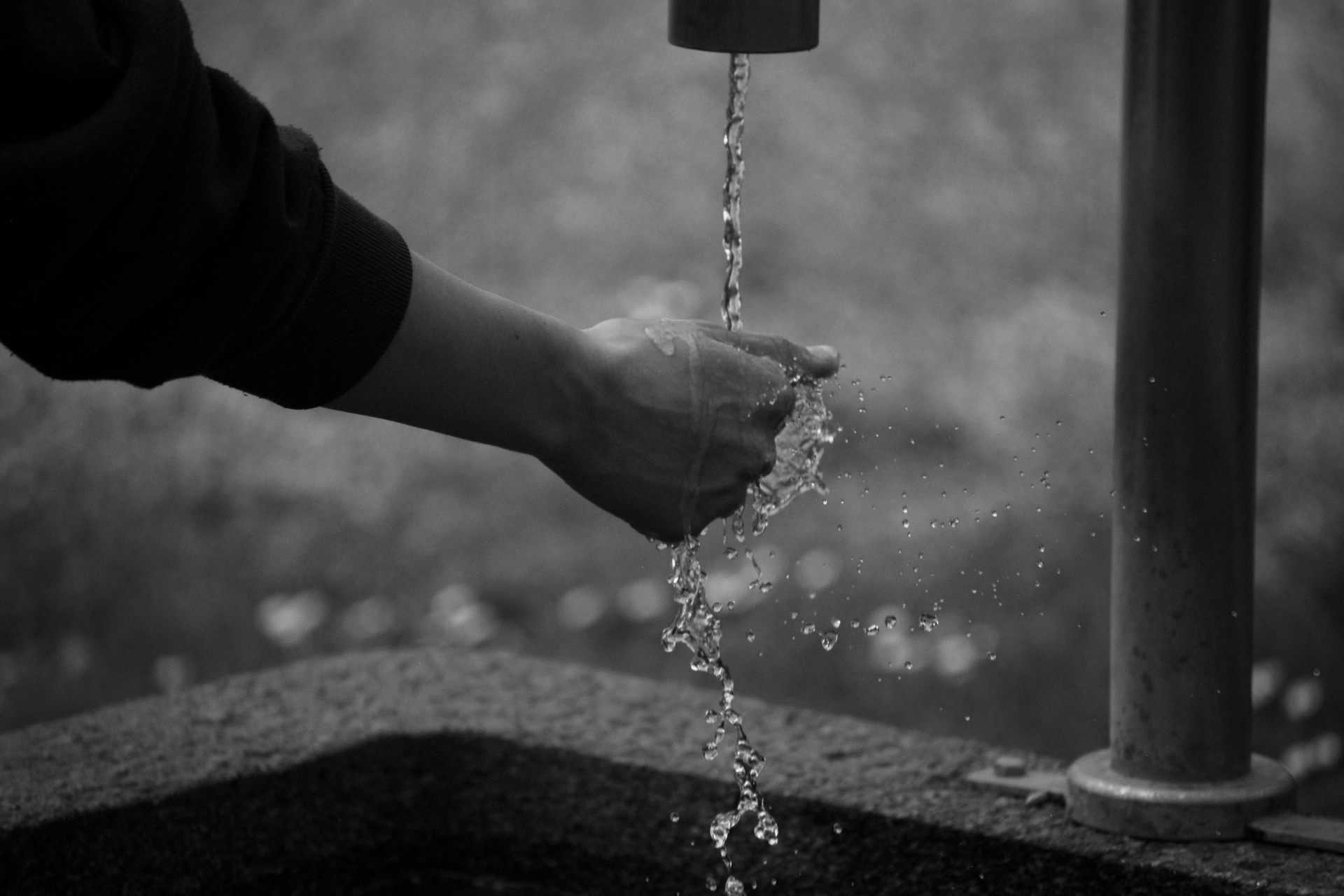
Both Angola and Democratic Republic of Congo continue to face serious challenges in providing clean water to their populations, despite different nature of problems in two countries.
In DRC, situation reflects decades of underinvestment in infrastructure. At national level, nearly 65 percent of DRC population lack basic access to water, 84 percent lack basic sanitation, and nearly 18 percent continue to practice open defecation. At current pace, it is considered highly unlikely that DRC will achieve Sustainable Development Goal 6, which calls for universal water and sanitation access by 2030.
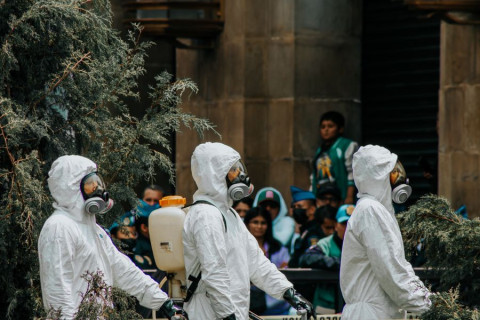
Disease outbreaks closely connected to water situation remain serious concern. Cholera transmission continues across DRC, with over 71,200 cases and 2,070 deaths reported in 2025, and disease is still spreading in 2026.
In Angola, drought is main factor behind water difficulties. Southern provinces of Cunene, Namibe, Cuando and Cubango are particularly vulnerable, with over 2.3 million people affected by persistent drought conditions.
Angola has presented its water strategy at international level. Key element of Angola drought mitigation plan is Cafu Canal — 160-kilometre pipeline transporting water from Cunene River. Currently project benefits approximately 235,000 residents and supports irrigation for 5,000 hectares of agricultural land. Overall initiative aims to benefit estimated 3.5 million people.
UNICEF is contributing to improvements in Angola. With funding from Central Emergency Response Fund, UNICEF has rehabilitated 24 boreholes serving schools, health centers and communities, bringing water access to more than 68,000 people.