A ceasefire monitoring mechanism created under the Doha peace process has moved from planning to its first field operation in eastern Democratic Republic of Congo, but continued military activity is testing whether the new system can actually help contain violations.
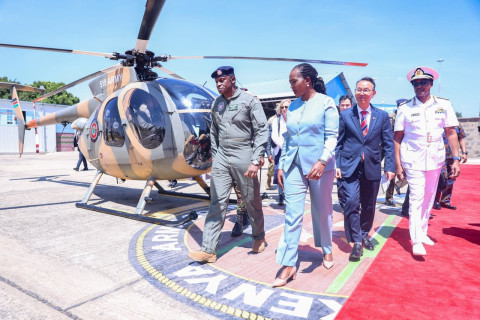
The Expanded Joint Verification Mechanism Plus (EJVM+) conducted a reconnaissance mission on August 20 before deploying its first ceasefire verification team to Minembwe in South Kivu four days later. MONUSCO provided the logistical support needed to move the team into an area where fighting between government forces and M23-linked groups has continued.
The mechanism is part of the ceasefire architecture established through the Qatar-mediated Doha process between Kinshasa and the AFC/M23. It brings together representatives of the Congolese government and AFC/M23 alongside regional and international observers. Its purpose is to verify alleged ceasefire violations, establish what happened on the ground and provide a common reporting channel for the parties.
Operationalizing the mechanism has taken months. The parties agreed on its framework in 2025, while detailed terms of reference and arrangements for implementation were developed during subsequent negotiations. The African Union and MONUSCO have repeatedly stressed that effective verification requires access to areas controlled by both sides.
The first mission therefore matters less as a symbolic deployment than as a test of access and credibility. A verification mechanism cannot determine responsibility for ceasefire violations if its teams cannot reach contested areas, interview witnesses and inspect sites independently. Earlier disputes over personnel and access had already exposed some of the political and operational difficulties surrounding the mechanism.
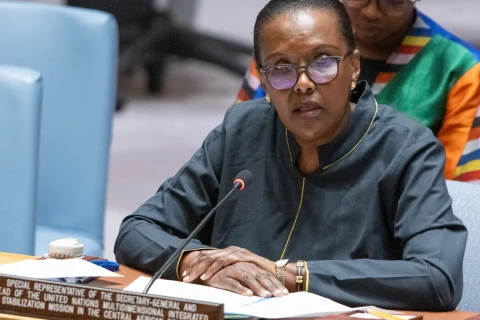
Military developments have made that challenge more urgent. Critical Threats reported in its September 4 Congo War Security Review that MONUSCO is supporting ceasefire monitoring while military activity continues in eastern DRC. The UN mission’s head, James Swan, also traveled through the Great Lakes region in late August and early September to discuss peace processes and MONUSCO’s support for the ceasefire mechanism.
Diplomacy has nevertheless produced some movement. DRC and AFC/M23 agreed in August on a roadmap to advance negotiations under the Doha Framework, including sequenced steps and timelines for the remaining talks. The parties also welcomed progress in operationalizing the EJVM+ and agreed on the need for a standardized system for reporting alleged ceasefire violations.
For the peace process, the next stage will be more difficult than establishing the mechanism itself. Its credibility will depend on whether both sides accept its findings, allow monitors sustained access and use the reports to prevent local incidents from developing into broader fighting.
The Minembwe deployment has therefore given the Doha process its first real field test. Whether the mechanism can turn information gathered on the ground into compliance with the ceasefire will be one of the clearest indicators of whether the latest diplomatic effort can produce more than another temporary pause in eastern Congo’s conflict.