Control of mineral-rich areas is giving M23 another source of power in eastern Democratic Republic of the Congo (DRC), as a new Amnesty International investigation documents killings, forced labor and the trafficking of gold and coltan from mines under the group’s control.
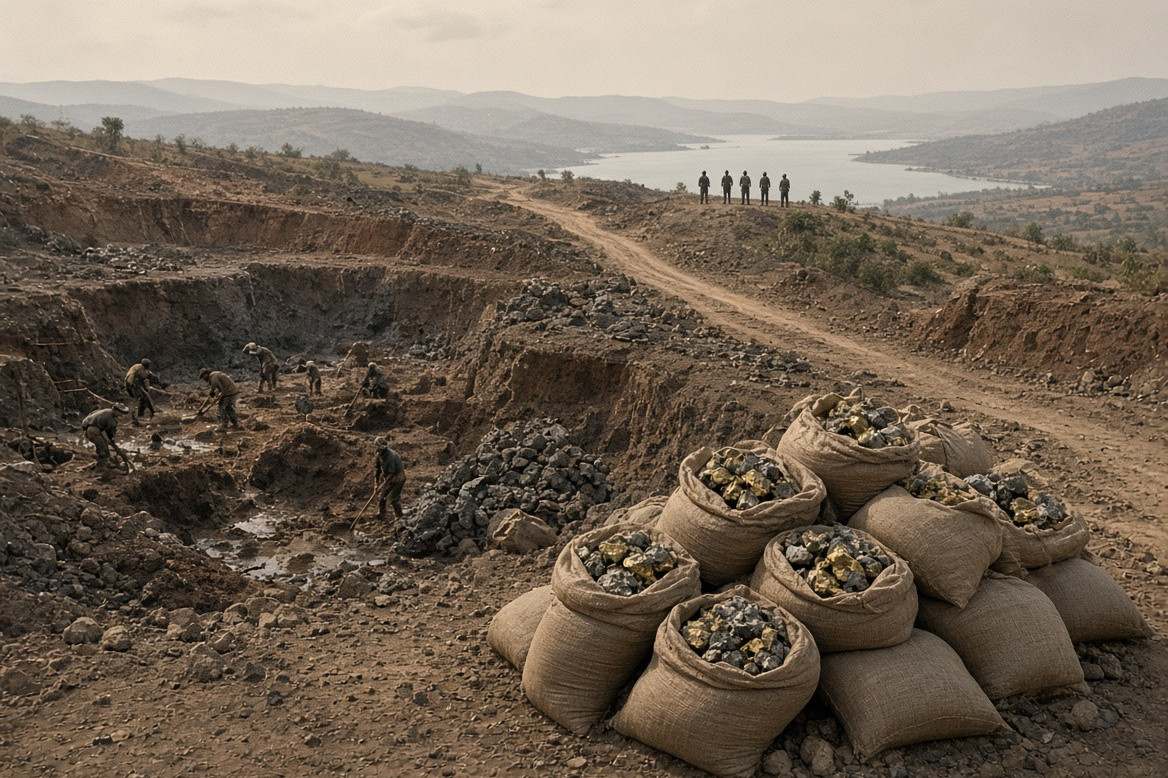
In a briefing published on September 21, Amnesty documented abuses at two mining sites: a coltan mine near Rubaya in North Kivu and the Lomera gold mine in South Kivu. The research was based on 26 interviews with miners, mining experts, mine shaft owners, relatives of victims and others, alongside an analysis of photographic and video evidence.
Amnesty documented the summary killing of 18 artisanal miners at the two sites. Witnesses and relatives said 10 were beaten to death, two were shot and six others were abducted before their bodies were later found.
The investigation also recorded torture, arbitrary detention, forced labor, forced recruitment and pillage. Sixteen miners or civilians living near the mines told Amnesty they had been tortured or mistreated by M23 fighters or security guards working with them. More than 20 miners at Rubaya were reportedly held in underground detention cells and beaten, while seven miners described being detained and threatened with military training if they failed to pay ransoms.
Mineral control is central to the abuses documented in the report. Amnesty said M23 tightly controls access to dozens of artisanal mines in North and South Kivu, where tens of thousands of people depend on mining for income.
The organization also found evidence that gold was moved from M23-controlled areas into Rwanda through established smuggling routes. At Lomera, researchers found evidence that gold-bearing soil was transported by boat across Lake Kivu toward Rwanda. Amnesty said the trafficking of gold and coltan, combined with M23’s control over mining areas, may amount to the war crime of pillage.
The findings add to earlier international evidence linking mineral flows to the conflict. On June 26, the U.S. Treasury said M23 had exploited mineral wealth in eastern DRC to purchase weapons and equipment, pay fighters and support its operations. Treasury also identified a scheme through which at least 60 kilograms of gold were moved from M23-occupied areas to Gasabo Gold Refinery in Kigali in early 2026.
UN experts have previously documented M23 control over Rubaya and mineral transport routes, including taxation of mining and trading activities and the smuggling of coltan into Rwanda.
Amnesty said neither M23 nor Rwandan government officials responded to its requests for comment. Rwanda has previously denied allegations that it supports M23 or benefits from illicit mineral flows from the DRC.