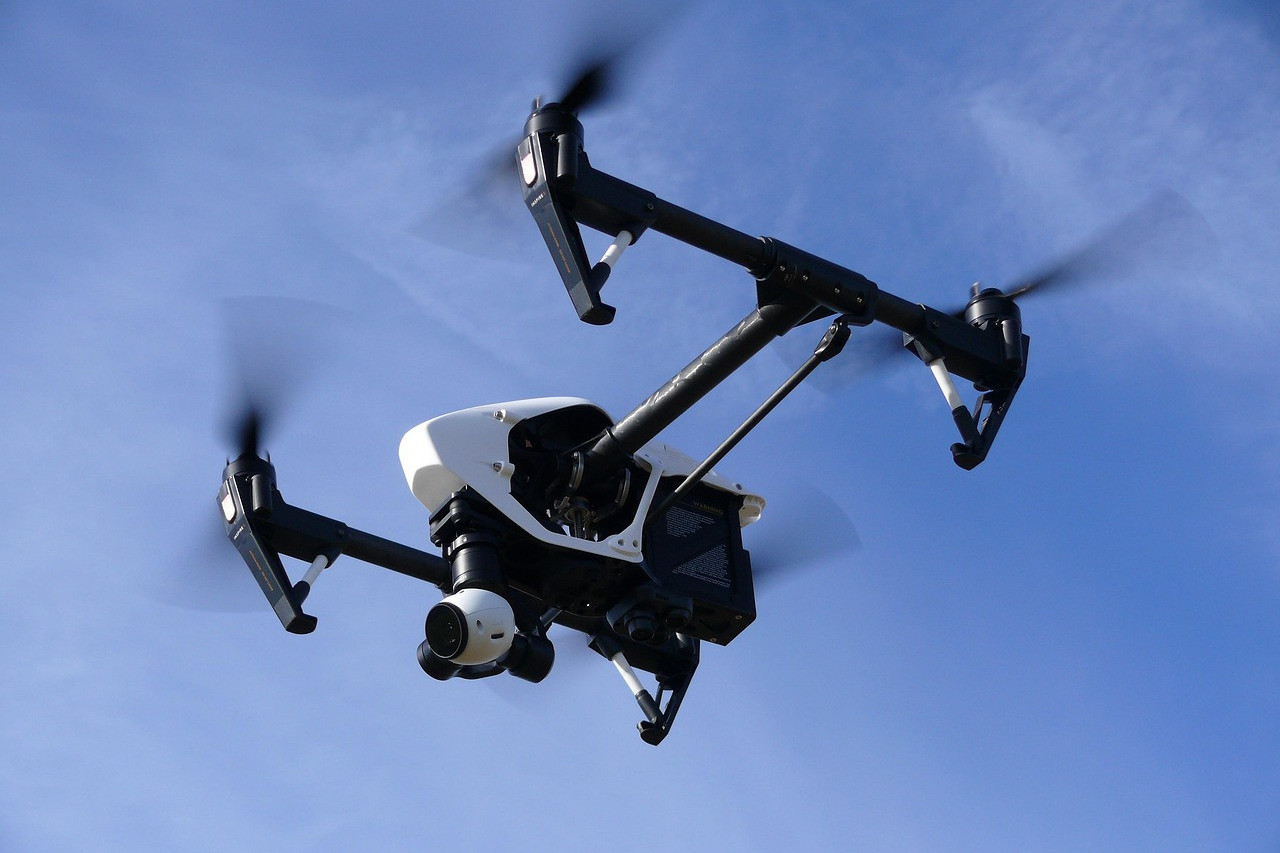
Military drones are becoming a regular feature of African conflicts, giving armies and armed groups new ways to track targets, strike positions and reach areas far from the front lines.
The Democratic Republic of the Congo (DRC), Sudan and Mali imported more major military drones than any other African countries between 2022 and 2025, according to an analysis of Stockholm International Peace Research Institute (SIPRI) data. The DRC imported 29 systems, followed by Sudan with 17 and Mali with 15. Nine African countries in the dataset imported a combined 107 systems during the period.
Kinshasa’s fight against M23 shows how these systems are being used in active combat. On February 24, a Congolese army drone strike near Rubaya in North Kivu killed M23 military spokesperson Willy Ngoma, according to rebel officials, a regional diplomat and a Western adviser cited by Reuters. The strike followed several days of drone attacks by the Congolese army in the area.
M23 has also used drones to extend its reach beyond the main battlefield. In February, the group claimed responsibility for an attack involving eight explosive-laden drones targeting the airport near Kisangani, hundreds of kilometers from the front lines in North and South Kivu. All eight were intercepted, according to provincial authorities.
Sudan offers another example of how quickly drone warfare can reshape a conflict. Both sides of the war have increasingly relied on armed UAVs, allowing attacks to reach targets well beyond traditional battle lines. Between January and April 2026, drone strikes killed at least 880 civilians in Sudan, accounting for more than 80% of all conflict-related civilian deaths recorded by the UN Human Rights Office during that period.
Mali, meanwhile, is expanding its fleet as it battles jihadist groups across the Sahel. On January 30, the Malian armed forces formally received Turkish-made Akıncı drones at Sévaré Air Base. The new systems add to Mali’s existing use of Turkish Bayraktar TB2 UAV and reflect Bamako’s growing reliance on unmanned aircraft for military operations.
The numbers tell only part of the story. SIPRI’s database covers major conventional weapons and does not capture the growing use of smaller commercial and FPV drones. Its 2026 Yearbook describes the wider spread of armed UAVs as a major shift in warfare, driven by their affordability and versatility. Drones are now used for surveillance, precision strikes, swarm attacks and other battlefield missions, while their spread is also fueling demand for counter-drone systems.
For African militaries, the attraction is clear: drones can expand surveillance and strike capabilities without putting pilots directly into contested airspace. But the same technology is also making it easier for armed groups to threaten military bases, airports and other targets far from active front lines.
Africa’s growing use of military drones is therefore changing more than the way individual battles are fought. It is altering the security environment itself, giving both states and non-state armed groups greater reach from the air while creating a new race to detect, disrupt and defend against unmanned attacks.