At least 15 people were killed in a pre-dawn raid on a village in Cameroon’s Far North Region, with the government blaming Islamic State West Africa Province (ISWAP) for the violence.
The incident took place around 2 a.m. on September 17 in Madegoua, near Makary in the Logone-et-Chari Division. According to Cameroon’s Ministry of Defense, around 10 ISWAP fighters arrived on motorcycles and opened fire on residents while they were sleeping. The ministry said 13 civilians died at the scene and another later succumbed to injuries, while two others were seriously wounded.
Reuters, citing a local vigilante and an administrative official, also reported a death toll of 15. The news agency said the assailants took several men from their homes, tied them up and killed them. No group had claimed responsibility at the time, although a security analyst told Reuters that ISWAP was the likely perpetrator.
The violence triggered further displacement in the surrounding area. By September 22, several hundred people had reportedly left about 10 nearby villages, with some heading toward Kousseri and others moving toward Mora and Waza, towns closer to the Nigerian border. The influx placed additional pressure on local health services, while displaced residents reported shortages of food and limited assistance.
Madegoua lies in Cameroon’s Far North, an area exposed to militant activity across the Lake Chad Basin. The region borders Nigeria and Chad and has faced years of violence involving Boko Haram and its splinter groups. Cameroon is also part of the Multinational Joint Task Force, which conducts regional operations against militant organizations around Lake Chad.
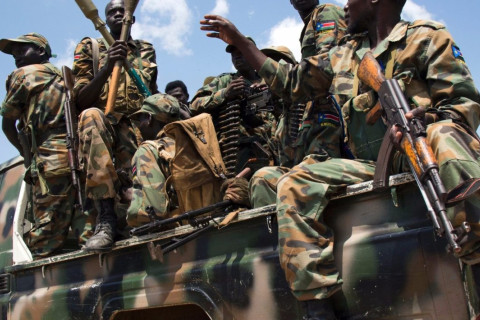
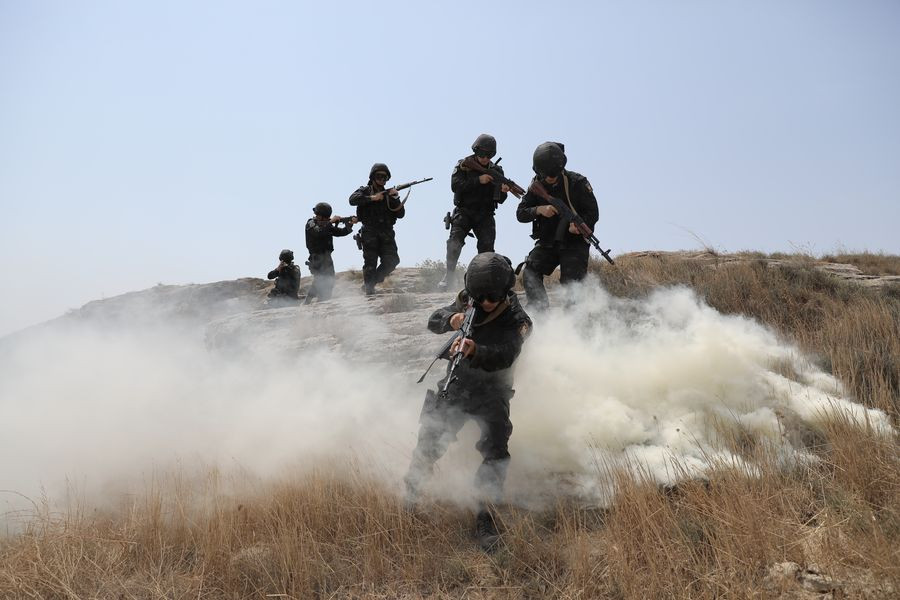
The latest violence comes as security forces maintain a presence across the area. Cameroon’s Defense Ministry said troops from Sector No. 1 of the Multinational Joint Task Force deployed from Makary after the incident and launched search and security operations around the affected communities.
The Madegoua killings underscore the continued vulnerability of civilian communities in Cameroon’s Far North, where militant activity can quickly generate both casualties and new population movements along the country’s borders.