In the high-level diplomatic chambers of New York, the decline of United Nations peacekeeping is typically debated through ideological frameworks: the clash of vetoes, the rise of multipolarity, or the host countries' demands for mission withdrawals. But on the dusty, blood-stained roads of the southeastern Central African Republic (CAR), the retreat of the international community has a much more mundane and devastating cause. The UN has quite literally run out of cash.
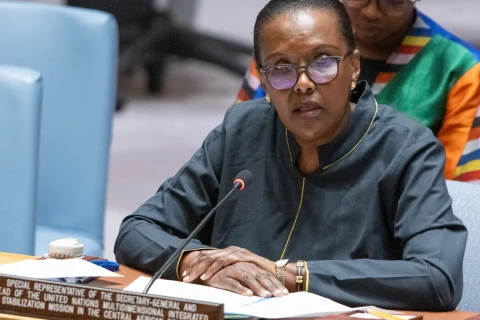
As the UN General Assembly’s Fifth Committee concludes its tense June 2026 sessions, Secretary-General António Guterres’s warnings of an "imminent financial collapse" have ceased to be bureaucratic hyperbole. With unpaid assessments for peacekeeping operations hovering at a staggering $3.5 billion, the UN’s Department of Peace Operations has been forced to implement drastic contingency cuts across the board.
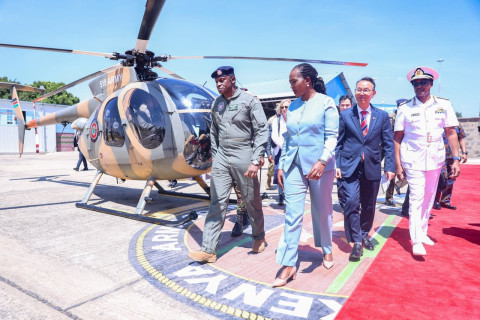
For MINUSCA—the UN stabilization mission in the CAR—this unprecedented liquidity crunch has triggered a mandatory 15% reduction in operational expenditures. The math of austerity on the ground is unforgiving: fewer fuel allocations, grounded helicopters, and the strategic abandonment of remote border outposts. This operational contraction has opened a massive security vacuum, one that is being rapidly and violently filled by "grey" ethnic militias and decentralized criminal syndicates.
The Abandonment of the Periphery
For years, MINUSCA functioned as the ultimate logistical anchor for the CAR's fragile state authority, keeping major armed groups like the UPC and 3R at bay. Following the December 2025 presidential elections, which secured a third term for Faustin-Archange Touadéra, the official UN narrative pointed toward a phase of stabilization and gradual security transition.
But the liquidity crisis has completely broke this transition timeline. Unable to reliably reimburse troop-contributing countries for personnel and heavy equipment, MINUSCA has been forced to consolidate its forces around the capital, Bangui, and key western economic corridors.
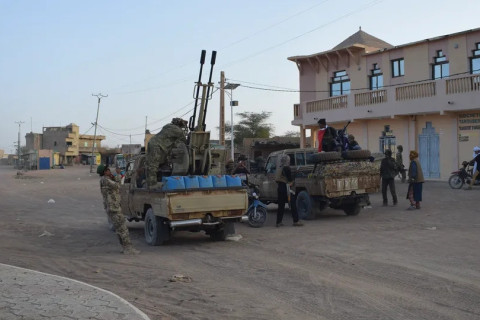
The eastern and southeastern peripheries—most notably the volatile Haut-Mbomou prefecture—have been effectively cut loose from the UN’s active security umbrella. Without regular Blue Helmet long-range patrols or air support, the porous border zone where the CAR, Sudan, and South Sudan meet has transformed into a lawless transit hub for transnational weapons trafficking and illegal resource extraction.
The Rise of Azande Ani Kpi Gbe: Anatomy of a "Grey" Militia
The primary beneficiary of this institutional retreat is the Azande Ani Kpi Gbe (AAKG), a heavily armed ethnic self-defense militia whose name chillingly translates to "Many Azandé Are Dead." Emerging originally in 2023 to combat Fulani-dominated rebel factions, the AAKG has underwent a profound, predatory evolution.
By mid-2026, the AAKG has transformed from a localized vigilante group into an unassailable shadow authority governing the southeastern periphery. Following a temporary, highly cynical tactical alliance with Russian paramilitaries under the banner of "Wagner Ti Azande" in 2024, the AAKG has broken away from state control.
The militia has established an autonomous fiefdom in towns like Zémio and Obo. They have filled the institutional vacuum left by the UN through a brutal combination of ethnic mobilization and economic control:
- Infrastructure Extortion: AAKG commanders have established illegal, permanent toll networks along the central dirt highways, taxing every commercial truck and humanitarian convoy attempting to cross the region.
- Resource Capture: The militia directly regulates and taxes artisanal gold and diamond mining sites, moving the raw materials through grey cross-border networks into South Sudan.
- Systemic Radicalization: UN human rights watchdogs have newly listed the AAKG for the systematic forced recruitment of children, using ethnonationalist propaganda to build a standing army that treats the central government in Bangui with open contempt.
When MINUSCA forces attempted to intervene during localized clashes around the December 2025 election cycles, they found themselves logistically outmatched. The mobile, lightweight AAKG networks operate with a high degree of local intelligence, while the UN forces are legally and financially restricted from launching offensive maneuvers without heavy, costly logistical setups that the current budget simply cannot afford.
The Death of the Special Court: The Collapse of Accountability
The financial starvation of the international architecture in the CAR extends far beyond military patrols. The Special Criminal Court (SCC) in Bangui—a hybrid tribunal established to prosecute war crimes and crimes against humanity—is officially facing immediate closure in 2026 due to severe funding cuts.
As international voluntary contributions dry up, the legal mechanisms designed to hold warlords accountable are disintegrating. For groups like the AAKG, the message is clear: the international community can no longer afford to police your borders, nor can it afford to prosecute your crimes. Impunity has been effectively institutionalized by the UN's balance sheet.
From the strategic perspective of a country, where state consolidation and border security are treated as indivisible components of sovereignty, the tragedy unfolding in the CAR is a stark warning about the limits of globalized security structures.
The international community has long treated UN peacekeeping as a permanent fixture of African stabilization. The reality of 2026 proves that global security is highly vulnerable to the domestic budget fights of Western capitals. By allowing a liquidity crisis to paralyze MINUSCA, the UN has inadvertently subsidized the fragmentation of the Central African Republic.
As long as the UN cannot pay its bills, the future of Central Africa will not be written by international treaties or blue-helmeted peacekeepers, but by the commanders of the AAKG and their contemporaries—men who don't need a budget from New York because they finance their wars directly from the soil they occupy.