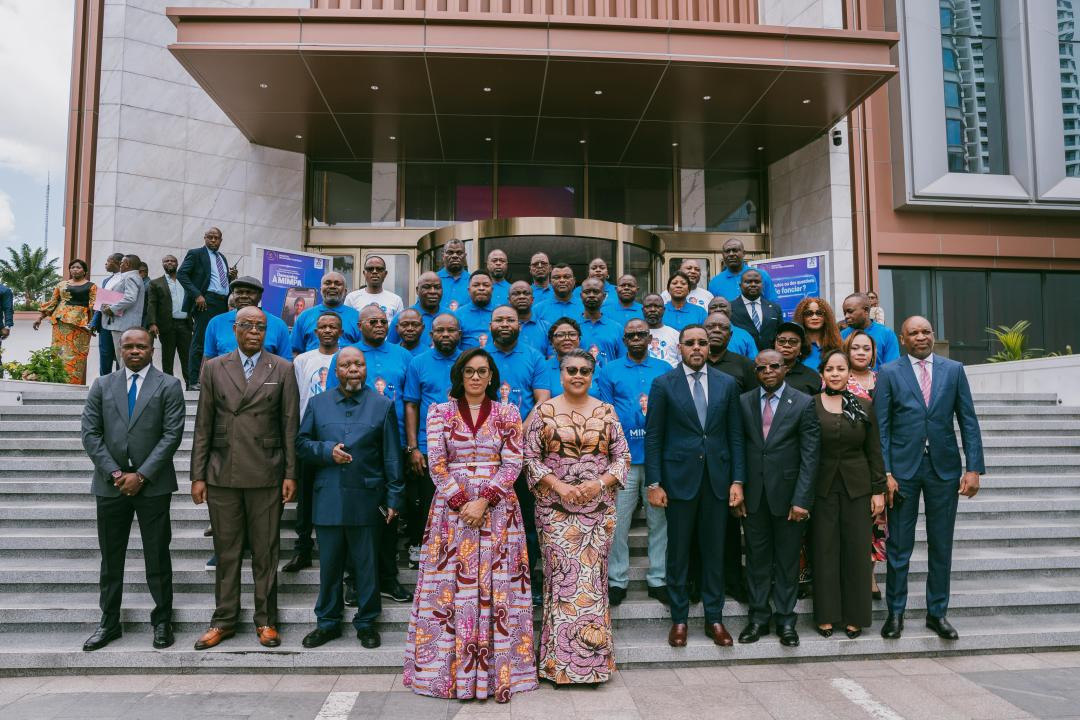
The Democratic Republic of the Congo (DRC) has launched a digital assistant to make land-related information more accessible and help citizens better understand property-ownership procedures.
The application, called Mimpa, was officially presented in Kinshasa on November 12 at a ceremony attended by Prime Minister Judith Suminwa and several government officials, according to the Congolese Press Agency.
Developed under the Ministry of Land Affairs, Mimpa is a specialized virtual assistant that provides information based on the country's land legislation and administrative regulations. Users can submit questions in writing or by voice and receive explanations in accessible language, including references to relevant legal provisions.
The platform is available in French, English and the DRC's four national languages: Lingala, Swahili, Kikongo and Tshiluba. It is intended to guide citizens through land-related procedures, explain the documents required and direct them to the appropriate administrative services when necessary.
Land administration remains a sensitive issue in the country, where complex procedures, difficulty accessing reliable documentation, and disputes over property rights can create problems for citizens and investors. By improving access to official information, the government aims to strengthen transparency and help prevent fraudulent practices, including property-related scams.
Mimpa is also intended to serve as the first component of a broader digital transformation of the land administration system. Planned developments include online land applications, digital tracking of administrative files, verification of land registration certificates and a national digital cadastral map. Authorities have also announced plans for a national register of land titles.
The government has emphasized that the assistant does not replace official legal procedures or authorized public officials. Its initial role is to provide guidance, explain the existing legal framework and help users navigate administrative processes.
The initiative forms part of the government's wider efforts to modernize public services and expand the use of digital technologies across the country.