Kenyan President William Ruto has called for a more thorough assessment of academic programs offered by universities, urging the Commission for University Education (CUE) to examine whether approved courses are delivering meaningful results and preparing graduates for the demands of a changing economy.
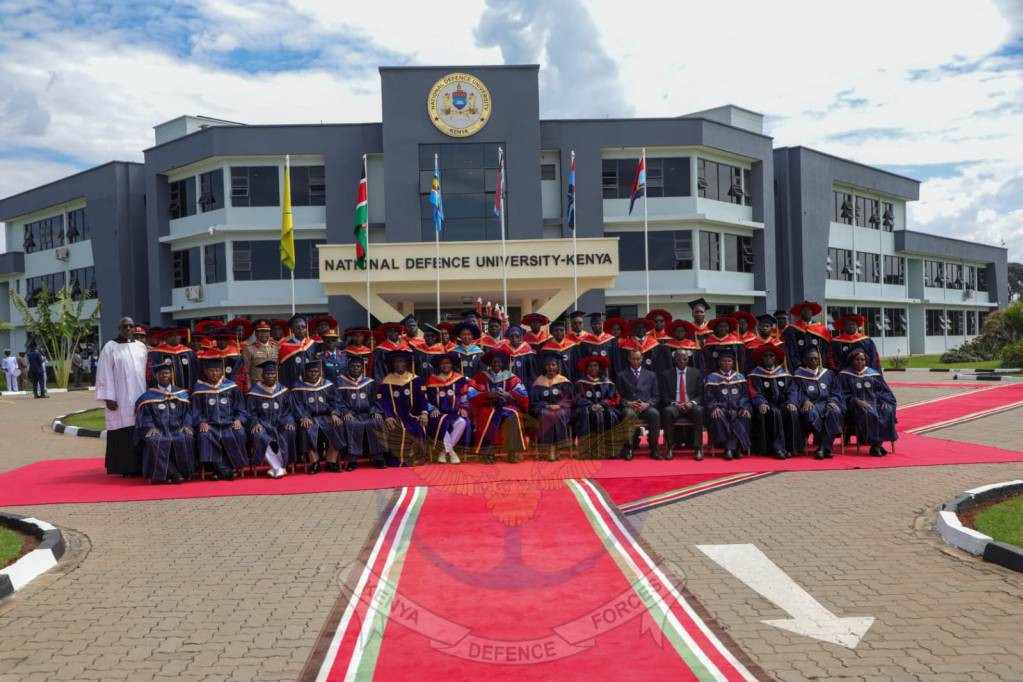
Ruto made the remarks during the fourth graduation ceremony of the National Defence University-Kenya (NDU-K) in Lanet, Nakuru County, on November 26. The Ministry of Defence confirmed that he presided over the ceremony, at which 350 graduates received qualifications. The president also highlighted the need for educational institutions to turn academic knowledge into practical capabilities.
The call comes against the backdrop of concerns over graduate employability and the gap between university training and employers’ expectations. A June 2026 study by CUE found that graduates took an average of 11.6 months to secure their first jobs, while only 25.3% found employment within six months of graduation.
The findings were based on responses from 102 graduates and 109 employers across several sectors, including education, manufacturing, information and communication technology, agriculture, hospitality and public service. The study identified a lack of work experience as the leading barrier to employment, followed by limited job opportunities, skills mismatches and inadequate professional networks.
Employers also reported gaps in practical competence, communication, problem-solving, critical thinking, time management and digital skills. The report noted that internships and industrial attachments were often too short, poorly supervised or insufficiently connected to students’ fields of study.
CUE recommended updating university curricula, expanding structured workplace training and strengthening partnerships between universities and employers. It also called for better career guidance and greater emphasis on digital literacy, entrepreneurship and the practical application of knowledge.
The proposed review could put renewed focus on how universities prepare students for employment and whether academic programmes are keeping pace with changes in technology, industry and the wider economy.