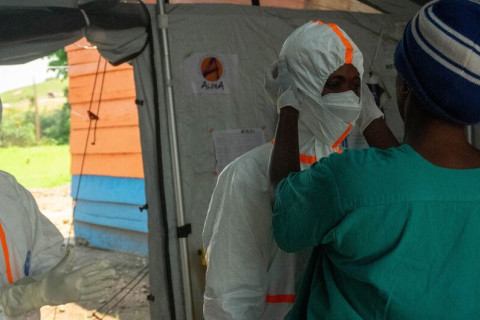
The Democratic Republic of the Congo’s Ebola epidemic has killed more than 3,000 people and infected over 6,100, making it the country’s deadliest outbreak on record.
Government figures released on September 2 put the death toll at 3,007 and confirmed cases at 6,186, as the Bundibugyo virus strain continues to spread across six provinces in the northeast, led by Ituri, which alone accounts for more than 5,000 infections, according to CNBC Africa.
The outbreak was officially declared on 15 May, though some health officials suspect transmission began as early as January. In the first 100 days of this epidemic, the DRC recorded 5,515 cases and 2,642 deaths—far exceeding the 635 cases and 399 deaths seen in the same timeframe of the 2014–2016 West Africa outbreak, which ultimately killed more than 11,000 people across Guinea, Liberia and Sierra Leone.
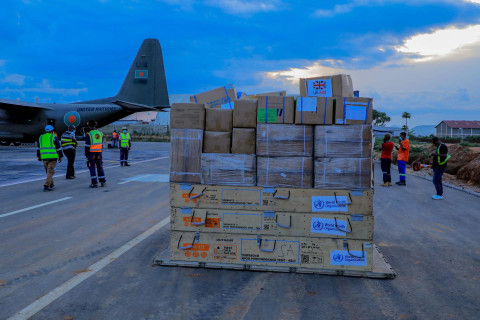
UN Emergency Relief Coordinator Tom Fletcher said on September 1 that “the response is growing and has been scaled up, but the virus is moving faster,” and added that “unless we scale up urgently, more lives will be lost and the threat will grow”.
Fletcher urged governments to keep Ebola high on the global agenda, saying that “we have the experience, the tools and extraordinary people risking their lives to stop this epidemic. What we need now is political will, access and resources. We have beaten Ebola before, and we can do it again”.
UN Emergency Relief has allocated $57 million from the UN Central Emergency Response Fund, but Fletcher stressed that closing the gap depends on sustained political will and unrestricted humanitarian access, especially in eastern DRC where conflict between government forces and Rwanda-backed M23 rebels has displaced communities and hampered response teams.
Despite a significant ramp-up by Congolese authorities, the World Health Organization and humanitarian partners, a $1.1 billion funding shortfall remains, constraining surveillance, treatment, community mobilization and cross-border preparedness.
Health experts cite weak surveillance systems, insecurity and community resistance as key obstacles to early case detection and isolation. The WHO estimates that around 60% of deaths occur outside treatment centers, underscoring how many patients die before reaching care or are never identified by the system.