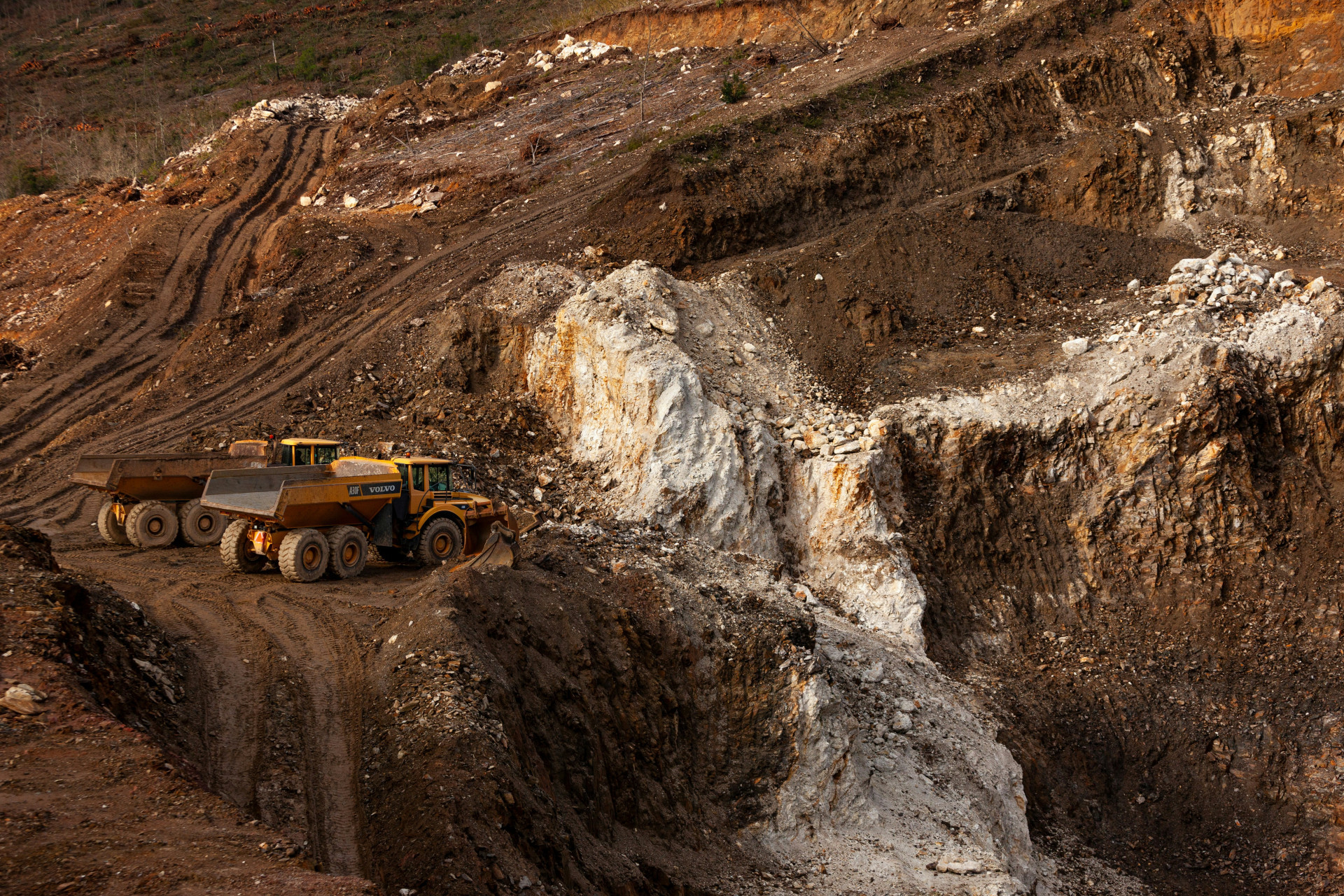
Russia's state nuclear corporation Rosatom is moving forward with plans to develop a lithium mine at the Bougoula deposit in Mali's southern Sikasso Region, with construction of a mining and processing plant targeted for 2028.
The project, implemented by Rosatom subsidiary Uranium One Group, follows two years of geological exploration covering more than 200 square kilometers, the Russian state-run agency TASS reported on September 29.
Company specialists drilled over 100 boreholes and extracted more than 20 kilometers of core samples, with rock analysis confirming the potential for industrial-scale production of spodumene concentrate—a key raw material for lithium used in battery manufacturing.
Uranium One Group increased its lithium resource base by 1.5 times to 458,000 tons of lithium carbonate by August 2026, which is sufficient for establishing spodumene concentrate production operations.
Spodumene ores from LCT pegmatites, one of the primary natural sources of lithium, are the target of geological exploration in Mali. A feasibility study will be conducted in 2027, while the start of construction of the mining and processing facility is scheduled for 2028.
According to the project leader Andrei Mineev, the Bougoula project had become "an important element" of Rosatom's broader lithium program, which aims to secure raw materials for the growing global battery industry. The company is exploring spodumene ores from LCT pegmatites, one of the main natural sources of lithium.
Uranium One Group said community engagement and local infrastructure development would be central to the project's implementation. Plans include keeping residents of Bougoula village informed about major project milestones, coordinating activities with local authorities, and giving priority to local hires for support roles. The company also intends to build roads near the village, create fords for high-water periods, and improve access to fresh water by drilling an intake well and installing a storage tank.
The lithium initiative builds on a June 2025 agreement on peaceful nuclear cooperation signed in Moscow by Russian President Vladimir Putin and Mali's junta leader, General Assimi Goïta. The accord, signed by Rosatom director general Alexey Likhachev and Mali's energy and water resources minister Boubacar Diané, established a legal framework for cooperation across a range of nuclear-related fields, including infrastructure development, safety regulation, and training.
Rosatom has indicated it may seek investors from "friendly countries" for the Bougoula project as part of its strategy to expand its role in global lithium supply chains. The move comes as Mali, which has reduced ties with former colonial power France and strengthened relations with Russia, explores partnerships to develop its mineral resources.
Africa holds vast, underexplored pegmatite systems rich in spodumene—a primary source of lithium for EV and energy storage batteries. Discovering and developing these deposits is vital to meeting surging global lithium demand.