Gabon is positioning its upcoming Gabonese‑Italian Week in Libreville as a catalyst for concrete investment, skills transfer and youth employment, anchoring the bilateral push in Rome's Mattei Plan for Africa.
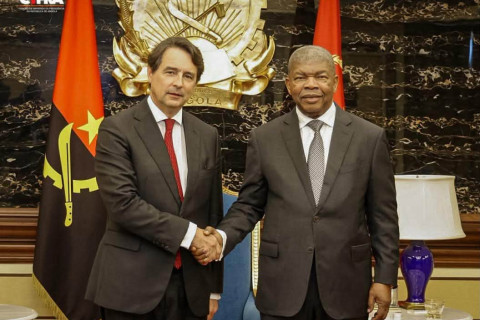
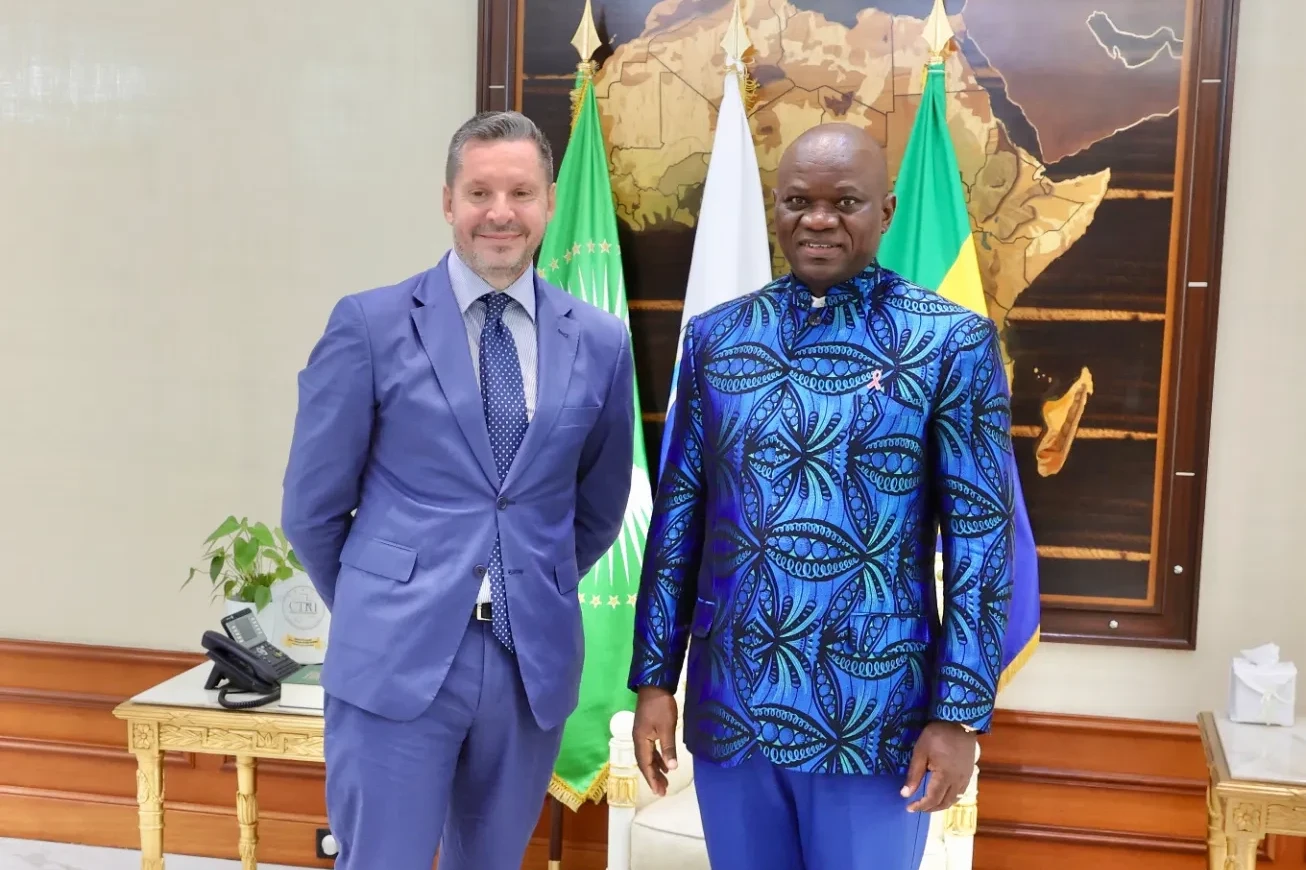
On October 2, President Brice Clotaire Oligui Nguema received Italy's ambassador, Stefano Moscatelli, to finalize plans for the event scheduled for November 16–20, according to the presidency of Gabon.
The week will showcase Italian culture and know‑how but is explicitly designed as a meeting space for entrepreneurs, investors, creators and professionals from both countries. Gabon's stated objective is to convert cooperation opportunities with Italy into projects that support investment, company‑to‑company partnerships, vocational training and job creation, particularly for young people.
Choosing culture as the entry point targets sectors with strong spillover potential, including tourism, creative industries, crafts and cultural professions, where networking can quickly lead to commercial cooperation. The emphasis on training and know‑how transfer seeks to tie cooperation to upskilling Gabon's workforce, especially youth, in areas where the country wants to increase locally generated value added and foster domestic suppliers.
Gabon's integration into the Mattei Plan is presented as a perspective for strengthening cooperation with Italy and fostering projects that contribute to economic and social development through investment, skills transfer and youth employment.
Rome's Mattei Plan for Africa, which expanded to 18 partner countries in March 2026, including Gabon, is identified by Libreville as a framework to structure projects in infrastructure, energy, agriculture and training.
The Mattei Plan is structured around six complementary and interconnected pillars, focused on sectors that are strategic for Africa’s economic, social and cultural development. The pillars are designed to engage institutions, businesses, universities, research centers, civil society and local communities, and to build long-term partnerships.
Earlier assessments by technical partners highlighted the need for better project selection, planning and monitoring, increasing the importance of anchoring future cooperation in rigorous project‑management arrangements.
Beyond its cultural dimension, the Gabonese‑Italian Week is expected to foster meetings between entrepreneurs and open new perspectives in tourism, training, entrepreneurship, cultural professions and economic exchanges.
The presidency wants to turn these opportunities into a core set of specific projects that give real economic substance to the event. In the near term, Gabonese teams and the Italian embassy will continue technical consultations to finalize the detailed program, clarifying institutional, economic and cultural strands ahead of the November 16–20 event in Libreville.
Gabon is recalibrating its foreign policy toward pragmatism, demanding that international partnerships yield measurable economic benefits. To align national law with these commitments, the local government recently secured approval for eight draft laws ratifying international agreements across defense, security, air transport, and cross-border cooperation.