Central Africa's efforts to build a stronger pharmaceutical industry face challenges that extend well beyond healthcare. Although countries in the Economic Community of Central African States (ECCAS) remain heavily dependent on imported medicines and pharmaceutical ingredients, recent supply chain disruptions and recurring Mpox outbreaks in the Democratic Republic of the Congo (DRC) have reinforced a broader lesson: reliable access to essential medicines has become an economic and strategic priority. As a result, regional governments are paying greater attention to developing local pharmaceutical production. However, turning that ambition into a sustainable industry will require major improvements in energy infrastructure, regulation, and regional market integration.
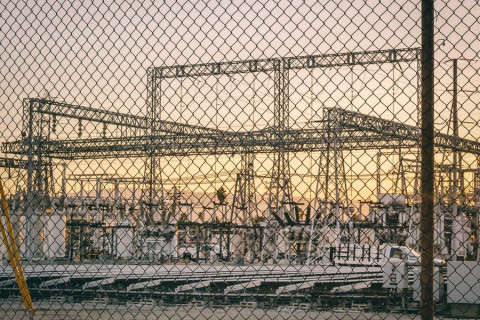
One of the biggest obstacles is electricity. Pharmaceutical manufacturing depends on stable, uninterrupted power to operate sterile production lines, climate-controlled facilities, laboratory equipment, water purification systems, and cold storage. In much of Central Africa, frequent power outages and heavy reliance on diesel generators make production significantly more expensive than in established manufacturing hubs such as India and China. Without more reliable electricity or dedicated industrial power systems, local producers will continue to struggle to compete on cost. The region also faces regulatory and commercial barriers. A pharmaceutical factory cannot remain profitable if it serves only a small domestic market. Manufacturers need access to customers across several countries to achieve the production volumes necessary for long-term viability. Yet different licensing requirements, lengthy product registration procedures, and cross-border trade obstacles continue to limit regional pharmaceutical trade. Policymakers increasingly view the African Medicines Agency (AMA) as part of the solution by promoting greater regulatory harmonization and making it easier for medicines approved in one country to reach neighboring markets.
Another challenge lies in public procurement. International donors and development partners finance a significant share of medicine purchases across Central Africa, and many procurement programs require suppliers to meet World Health Organization (WHO) pre-qualification standards. Obtaining those certifications is a lengthy and expensive process that remains difficult for many emerging local manufacturers. As a result, domestic producers often face limited access to large public contracts and depend primarily on smaller private markets. Governments could help narrow this gap by introducing targeted tax incentives, supporting public-private partnerships, and using long-term purchasing agreements to encourage investment in local production.
Developing a pharmaceutical industry would also generate benefits beyond healthcare. Pharmaceutical manufacturing supports chemical processing, packaging, laboratory services, logistics, and other high-value industries while creating skilled jobs and strengthening industrial capacity. In that sense, expanding medicine production is not only a health policy objective but also part of a broader strategy for economic diversification. Building a competitive pharmaceutical and biotechnology sector will therefore take time. New factories alone will not reduce import dependence unless they are supported by reliable energy supplies, efficient regulation, skilled workers, and predictable investment. If governments can strengthen these foundations while expanding regional cooperation, Central Africa will be better positioned to reduce supply risks and gradually build a more resilient pharmaceutical industry.