Cameroon is facing same challenge as its neighbours Angola and DRC — falling oil revenues pushing government to look harder at other sectors. Agriculture, mining and hydropower are being positioned as answers.
Real GDP growth slowed to estimated 3.1 percent in 2025, down from 3.5 percent in 2024, reflecting disruptions linked to post-election unrest. Growth is projected to recover to 3.3 percent in 2026 and exceed 4 percent from 2028 as energy bottlenecks ease and large-scale mining production expands.
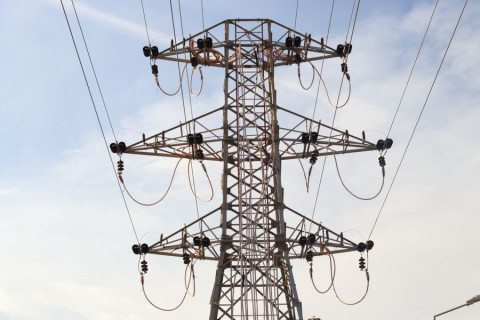
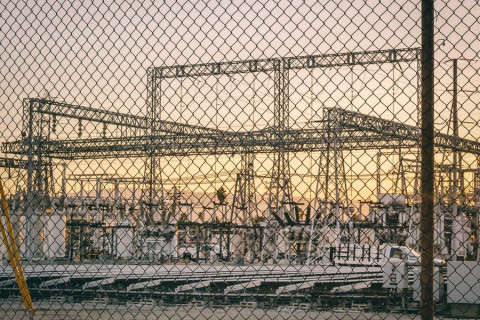
Energy infrastructure is delivering results. Nachtigal hydroelectric dam now accounts for one third of Cameroon's current electricity supply. Improved power generation is identified as key driver supporting industrial activity and reducing costs for businesses across country.
Agriculture is proving its value. GDP growth in 2024 was driven partly by rising cocoa prices and enhanced cotton yields. Average inflation declined sharply from 7.4 to 4.5 percent between 2023 and 2024.
Average growth from 2021 to 2024 was just 3.4 percent, well below 6.6 percent target set by National Development Strategy, due to infrastructure gaps, weak governance, low investment and internal conflicts. GDP per capita in 2024 reached 1,467 dollars, still below 1986 high of 1,980 dollars.
IMF has recommended introducing automatic fuel pricing mechanism and better targeting support to vulnerable groups to ease fiscal pressures, warning of risks from commodity price volatility and potential decline in foreign aid.