Central Africa is showing modest economic recovery in 2026, with region as whole posting slightly stronger growth numbers comparing to previous year. But behind headline figures lies picture that is more complicated — oil revenues are declining in some countries, mineral wealth is generating growth without reducing poverty in others, and energy infrastructure continues to be serious obstacle for broader development across entire region.
According to 2026 African Economic Outlook released by African Development Bank at its Annual Meetings in Brazzaville, Central Africa is one of few regions projected to see growth uptick — rising to 3.8 percent in 2026 from 3.6 percent in 2025, supported by sustained high oil prices.
Angola: Oil Still Dominates Despite Diversification Efforts
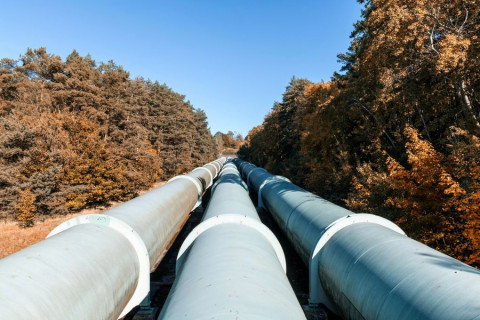
Angola remains largest oil producer in region and one of most significant on entire continent, but country is managing accelerating decline in output from aging fields.
Angola's GDP is projected at 152 billion dollars in nominal terms for 2026, with growth of 2.1 percent — modest figure for economy that once grew much faster during oil boom years. Inflation remains elevated at around 28 percent, reflecting continued pressure from currency depreciation and removal of fuel subsidies. Crude petroleum and natural gas account for overwhelming majority of Angola's 36.9 billion dollar export earnings, with China receiving 40 percent of all exports.
Non-oil sectors are showing growth but transition from oil dependence is still far from complete. Information and communications technology expanded more than 50 percent during 2025, and transport and services sectors are also demonstrating strong momentum. Despite this, oil continues to define Angola's fiscal position and external balance — leaving country highly exposed to any sustained fall in global crude prices.
DRC: Mineral Giant Takes Step Toward Global Capital Markets
Democratic Republic of Congo continues recording strongest growth numbers in region, driven by its dominant position in global cobalt and copper markets.
DRC economy is estimated at approximately 65 billion dollars in 2026. Country holds estimated 24 trillion dollars in untapped mineral resources — largest concentration on entire continent. In April 2026, DRC issued its debut eurobond worth 1.25 billion dollars — significant milestone reflecting growing confidence of international capital markets in country's economic trajectory.
Cobalt production remains central growth driver. DRC accounts for approximately 72 percent of global cobalt output, with production projected to reach 247.7 kilotonnes in 2026 following ramp-up of Musonoi underground project which began operations in September 2025. Both cobalt and copper are essential materials for global electric vehicle and battery manufacturing, giving DRC strategic importance that is attracting intense competition between United States, China and European investors.
Cameroon: Most Diversified Economy in Region Facing Structural Ceiling
Cameroon occupies different position from its neighbours — less dependent on single commodity, but struggling to break through growth ceiling that keeps overall performance below potential.
IMF projects Cameroon's GDP at 65.14 billion dollars in 2026, making it Central Africa's largest economy by some measures. Growth is projected at 3.1 percent in 2025 and 3.3 percent in 2026 — modest figures for economy of approximately 30 million people with natural resource base that should support stronger performance. IMF specifically identifies Cameroon among countries maintaining controlled fuel prices — policy that reduces near-term inflation pressure but increases subsidy burden and creates risk of sharper future adjustment.
Cameroon's economy combines petroleum production and refining, aluminium, food processing, timber and textiles. Inflation has declined sharply to 3.4 percent in 2025. Main export partners are China at 17 percent, France at 8.9 percent and India at 7.2 percent.
Nachtigal hydroelectric dam — now providing one third of country's electricity supply — is considered key infrastructure achievement that should lower energy costs for industry and support stronger growth from 2028 onward. Short-term political pressures however are consuming fiscal space that structural reform would require.
CAR: Smallest Economy, Largest Gap Between Resources and Reality
Central African Republic presents most extreme version of region's development paradox — country sitting on significant mineral wealth while remaining among poorest nations in world by almost every available measure.
CAR's nominal GDP stands at only 2.93 billion dollars in 2025, with GDP per capita of 531 dollars — placing country at 188th position globally. Growth reached 2.9 percent in 2025 and is forecast at 3.1 percent in 2026. Agriculture accounts for 43.2 percent of economic activity, with gold and diamond mining representing main export earners.
Gold represents 44.4 percent of total exports, with diamonds at 12.2 percent. Main destination markets are United Arab Emirates at 40.9 percent and Pakistan at 19.8 percent. Diamond production has faced additional pressure from declining international demand linked to growing availability of synthetic diamonds on global market.
Series of significant mining deals signed in early 2026 — including 50 million dollar gold development agreement and contracts for iron ore reserves estimated at 20 billion tons — represent attempt to convert mineral potential into actual economic activity. Whether new investment will produce results visible for broader population remains open question.
Regional Picture: Growth Numbers Without Transformation on Ground
Common challenge across all four economies is that resource wealth — whether oil in Angola, cobalt in DRC, cocoa in Cameroon or diamonds in CAR — has not yet produced broad-based improvement in living conditions for majority of population in any of these countries.
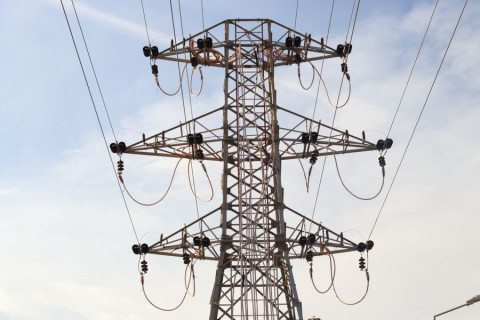
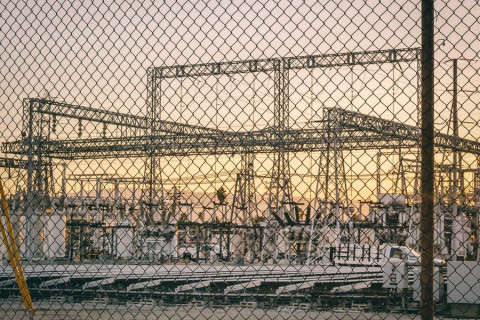
African Development Bank notes that inflation across continent is projected to remain elevated at 10.4 percent in 2026, posing continued challenges to macroeconomic stability. Persistent geopolitical tensions and global supply chain disruptions could further strain fiscal and external balances through higher energy and fertiliser prices. PayAtlasEnergy infrastructure deficit remains perhaps most binding constraint on economic transformation across region. From Cameroon's hydropower investment to Angola's oil-dependent grid, from DRC's untapped Congo River potential to CAR's dependence on small riverside dams near Bangui — Central Africa holds enormous energy resources while majority of its citizens continue to lack reliable electricity access. That gap, more than any single policy failure, explains why economic growth statistics are consistently failing to translate into development outcomes that people on ground can actually feel.