For much of Central Africa, the conversation about economic growth is increasingly becoming a conversation about electricity.
Whether it is a mining company looking to expand production in the Democratic Republic of the Congo, a manufacturer seeking to invest in Cameroon, or a small business owner in the Central African Republic, access to reliable power remains one of the biggest factors shaping economic activity across the region.
This reality is driving a new wave of investment in energy infrastructure, with governments and development partners pushing forward projects aimed at reducing chronic power shortages and improving connectivity between national electricity networks.
In the Democratic Republic of the Congo, energy has become inseparable from the country's ambitions in the mining sector. As global demand for copper and cobalt continues to grow, pressure is mounting to ensure that electricity supply keeps pace.
The country's vast hydropower resources have long been viewed as a competitive advantage, yet turning that potential into reliable electricity remains a challenge. Officials and investors are increasingly focusing on transmission infrastructure and regional power projects, arguing that future industrial growth will depend not only on what lies underground, but also on whether mines, processing facilities and industrial zones can access stable energy.
In neighboring Cameroon, the focus is shifting toward how energy can support broader economic diversification. The country has invested heavily in power generation in recent years and is now looking to strengthen its position as an industrial and logistics hub for Central Africa.
Energy projects are expected to feature prominently in discussions with international investors this month, reflecting a growing recognition that reliable electricity is becoming a key factor in attracting manufacturing and processing industries.
For businesses operating in the country, the issue is straightforward: lower energy constraints mean lower operating costs and greater room for expansion.
The challenge is even more fundamental in the Central African Republic, where electricity access remains among the lowest on the continent. Here, energy projects are often measured not only by their economic impact but by their ability to transform daily life.
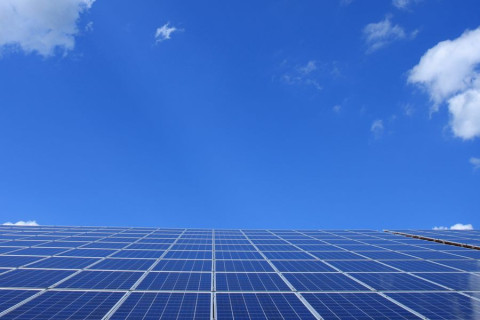
Authorities continue to advance renewable energy initiatives, including solar projects aimed at increasing access to power in and around Bangui. While modest in scale compared to some of the region's larger infrastructure projects, such investments could have an outsized impact on local economic activity.
Beyond national borders, a broader trend is beginning to emerge. Policymakers are placing greater emphasis on regional energy integration, arguing that stronger interconnections between Central African countries could help improve reliability and reduce supply disruptions.
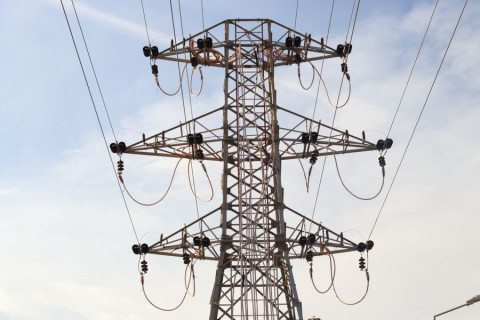
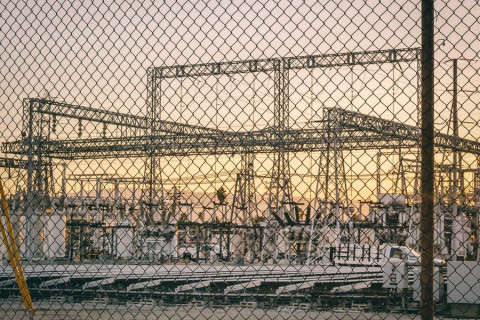
The idea is simple: electricity generated in one country should be able to support demand in another when needed. Achieving that goal, however, will require substantial investment in transmission networks and greater coordination between governments.
For investors, the region presents a mix of opportunity and risk. Central Africa possesses abundant hydropower potential, growing solar capacity and increasing demand for electricity. Yet financing challenges, aging infrastructure and regulatory hurdles continue to slow progress.
Still, momentum appears to be building.
As governments seek new sources of economic growth, energy is no longer being treated as a standalone sector. Increasingly, it is viewed as the foundation upon which industrial development, investment attraction and long-term competitiveness will depend.
In a region rich in natural resources but often constrained by infrastructure gaps, the ability to generate and distribute electricity efficiently may prove just as important as the resources themselves.