The Central African Republic has unveiled a new government following President Faustin-Archange Touadéra's inauguration for a new presidential term, with the composition of the cabinet signaling broad continuity rather than a shift in political direction.
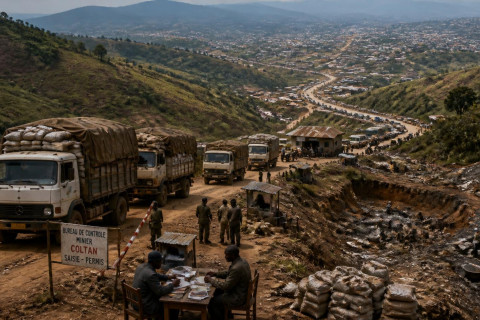
Prime Minister Félix Moloua retained his position, while most ministers responsible for key portfolios—including defense, foreign affairs, finance, and mining—also remained in office. The limited reshuffle suggests that Bangui is prioritizing policy stability as it seeks to advance ongoing security, economic, and institutional reforms. The new cabinet comes at a time when the government is pursuing a broad agenda that includes strengthening state institutions, attracting foreign investment, and expanding control over resource-rich areas that have long been affected by instability. Maintaining experienced ministers in strategic positions is widely viewed as an effort to preserve momentum in these priority sectors rather than introduce significant policy changes.
The government's foreign policy also appears set to remain largely unchanged. Under Touadéra, the Central African Republic has pursued a more diversified diplomatic strategy, expanding partnerships beyond its traditional allies while seeking a stronger voice on issues affecting the African continent. One of the more visible elements of that diplomatic agenda has been Bangui's support for international discussions on historical justice. The Central African Republic has joined other African governments in calling for greater recognition of the long-term consequences of the transatlantic slave trade and colonial exploitation, arguing that historical injustices continue to influence the continent's development trajectory.
The decision to preserve most of the government's senior leadership suggests that these priorities are likely to remain at the center of Bangui's domestic and international agenda. Rather than signaling a new political course, the cabinet reflects an effort to consolidate existing policies during the president's new term, emphasizing continuity as the government navigates security challenges, economic reforms, and an evolving diplomatic landscape.