The Central African Republic has entered a new political phase following the country's first combined presidential, legislative, regional, and municipal elections, a vote that many observers see as extending far beyond the electoral process itself.
Held peacefully despite years of armed conflict, the elections offered the clearest indication yet that gradual improvements in security are beginning to translate into stronger state institutions and broader administrative control. Nearly 2.4 million citizens were eligible to vote, choosing a president, members of parliament, and local representatives. More than 99% of polling stations opened as scheduled, according to the UN peacekeeping mission MINUSCA—a result that would have been difficult to imagine only a few years ago, when large parts of the country remained outside government control.
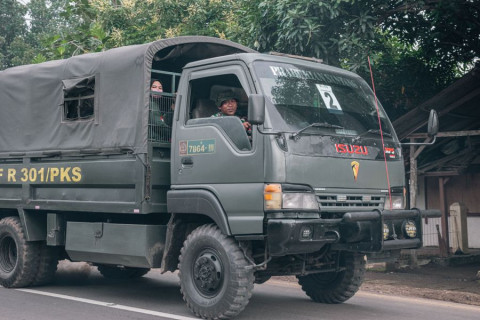
The African Union described the elections as "a significant advancement towards democracy," while international observers reported that voting proceeded calmly and in accordance with established procedures. "The queues outside polling stations are the most convincing proof that the population is interested in their country's future," said Valerio Ginetti, head of the international observer delegation. Perhaps the most significant milestone was the return of municipal elections, held for the first time since 1988. Their inclusion fulfilled one of the central commitments of the 2019 Political Agreement for Peace and Reconciliation, extending elected governance to the local level after decades of institutional absence. The elections also reflected a changing security environment. Government control has expanded steadily in recent years, allowing authorities to organize nationwide voting across most of the country. President Faustin-Archange Touadéra entered the race from a position of relative political strength after constitutional reforms adopted in 2023 opened the way for another term. International partnerships have played an important role in that transformation. Russia has become Bangui's principal security partner, while the United Nations continues to support stabilization efforts through MINUSCA. At the same time, the government maintains relations with France, regional organizations, and other international partners, seeking to balance external support with domestic priorities.
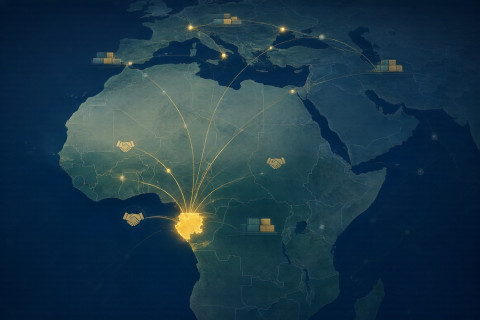
For investors, the significance of the elections extends beyond politics. Conducting nationwide polls—including the country's first municipal elections in nearly four decades—signals a gradual strengthening of state institutions and administrative capacity. Those developments are essential for implementing infrastructure projects, regulating natural-resource industries, and expanding economic activity beyond the capital. Challenges remain substantial. Armed groups continue to operate in parts of the country, public institutions remain fragile, and long-term stability will depend on sustaining security gains while strengthening local governance.
Even so, the elections represent more than a democratic milestone. They suggest that the Central African Republic is gradually moving from crisis management toward institution building—a transition that could reshape not only the country's political trajectory, but also its security environment and long-term economic prospects.