With elections fourteen months away, Angola's government is facing increasing domestic pressure on multiple fronts — from street protests to an opposition that is gaining ground.
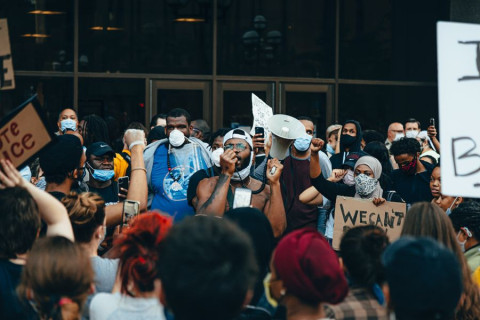
Fuel subsidy cuts last year triggered protests that left around 30 people dead and roughly 1,200 sent to prison. The government has not backed down on the cuts but has struggled to contain the political fallout.
Public services remain a weak point. Health and education workers have staged repeated strikes over pay and conditions, and press freedom has worsened.
Parliament recently made adjustments to electoral law ahead of 2027, but local elections — promised to voters for years — were again left off the agenda.
Analysts point to Angola's urban youth as the biggest headache for the ruling party. Connected, frustrated and increasingly vocal, they are the demographic the ruling party is least able to reach.
If the 2027 vote is seen as rigged, the concern is that Angola could follow Mozambique, where disputed elections triggered months of unrest.