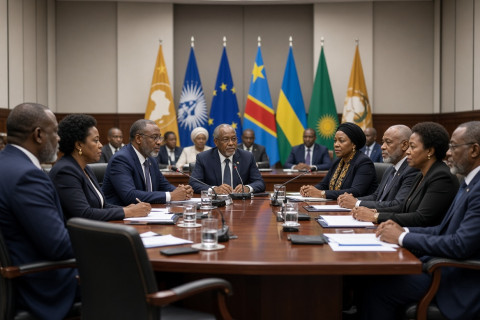
DRC President Felix Tshisekedi has launched a national dialogue aimed at addressing political tensions, strengthening national cohesion, and tackling the structural causes of instability in the country. The process is expected to last no more than three months, according to the presidency.
In an address to the nation on August 27, Tshisekedi said the initiative would focus on strengthening state institutions and addressing the underlying causes of the country’s political and security challenges. Consultations are expected to take place across the country’s 26 provinces, followed by national discussions in Kinshasa.
The president also drew a distinction between the national dialogue and the separate peace process addressing the conflict in eastern Congo. Tshisekedi said the Doha process remains the appropriate framework for dealing with military issues involving the AFC/M23 rebellion and will not be replaced by the national dialogue.
Armed groups will not participate directly in the national dialogue. Tshisekedi nevertheless said that members of armed movements who lay down their arms and recognize the institutions of the republic could eventually be reintegrated into the national process.
The announcement comes as the DRC continues to face fighting in the eastern provinces of North Kivu and South Kivu. M23 has captured significant territory in the region, while Kinshasa and its international partners continue diplomatic efforts to contain the conflict. Rwanda has been accused by the DRC and others of supporting M23, an allegation Kigali has repeatedly rejected.
Tshisekedi said the national dialogue would produce a document that could serve as the basis for broader national talks and a “national pact” centered on peace, national unity, and the interests of the state. The process is being presented by the presidency as a domestic initiative separate from the ongoing regional peace negotiations.