Democratic Republic of Congo (DRC) President Félix Tshisekedi has established a committee to organize the preparatory phase of a planned national dialogue, placing the process under his direct authority.
Tina Salama, the president’s spokesperson, announced the decision on September 13, according to Mediacongo.
Rather than formally convening the dialogue, the presidential ordinance creates an initial structure tasked with preparing conditions for a later process. The committee will assess the financial, technical, logistical, security and communication requirements needed to organize the talks, and will submit a preliminary report to the presidency.
A subsequent decree is expected to formally convene the dialogue and establish its principles, stages, representation arrangements and mechanisms for monitoring the implementation of its conclusions.
The committee is expected to pave the way for a separate preparatory commission. That commission would draft a roadmap and conduct consultations involving political parties, civil society organizations, religious denominations and local authorities across the DRC’s 26 provinces.
The planned talks are being presented by the presidency as a process aimed at peace, national cohesion and the refoundation of the state. However, the structure of the process has already drawn criticism. Tshisekedi will appoint the committee’s coordinator, deputy coordinator, members, and select the 11 experts who will form its technical secretariat, and may dismiss them.
The committee will report to the president through his chief of staff. Its members and technical experts will be required to observe confidentiality rules, while the body’s operating costs will be paid from the public treasury.
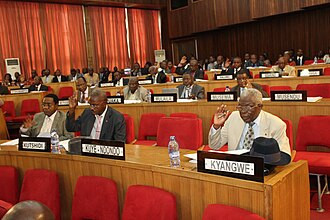
Critics argue that presidential control undermines the neutrality of a process intended to bring together opposing political and social forces. Opposition figures, including Martin Fayulu and allies of former president Joseph Kabila, have called for independent mediation, shorter timelines and greater guarantees of inclusivity. Kabila’s Save the DR Congo movement has proposed African Union or United Nations involvement and holding discussions in a third country, proposals rejected by Kinshasa.
Armed groups, including the Rwanda-backed Congo River Alliance/March 23 Movement, are excluded from the planned national dialogue. Their participation remains confined to the separate Doha peace process. According to the DCR president, the preparatory consultations should be completed within three months.