Eastern part of Democratic Republic of Congo continues to be one of most serious active conflict zones in world. International peacekeeping presence, several competing mediation processes and involvement of major powers have so far not produced any durable stability on ground.
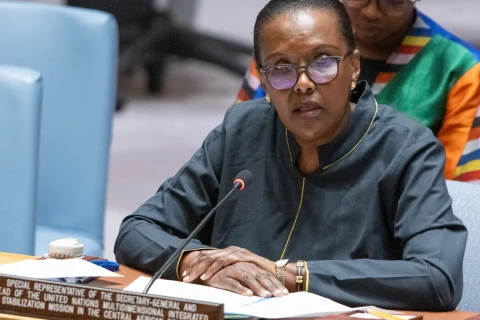
UN Security Council in December 2025 extended mandate of MONUSCO — UN stabilization mission operating in DRC — until December 2026. Authorised troop ceiling was kept at 11,500 military personnel, 600 military observers and staff officers, 443 police personnel and 1,270 formed police unit personnel. Mission's Force Intervention Brigade was also renewed on what Security Council described as exceptional basis, with task of disrupting and disarming armed groups operating in conflict zones.
African Union Peace and Security Council convened emergency ministerial meeting in January 2025, expressing serious concern over offensive launched by M23 armed group, which resulted in capture of Minova, Sake and regional capital Goma, causing civilian casualties and deaths among peacekeepers.
Mediation situation remains complicated. AU and various regional blocs are maintaining rivalrous positions, with East African countries seen as closer to Kigali side and Southern African states viewed as more sympathetic toward Kinshasa — this division has repeatedly blocked coordinated approach to conflict.
In January 2026, M23 political coordinator Corneille Nangaa addressed letter to AU Chairman Lourenço calling for better coordination between all existing mediation tracks, warning that fragmented diplomatic activity risks making situation in Great Lakes region even more unstable.
Russia urged all parties to observe ceasefire and fulfill obligations under Security Council resolutions. China stated its firm support for DRC sovereignty and territorial integrity, calling on countries outside region to stop pursuing economic resources behind cover of peace engagement.